Far-Right Businessman Abelardo de la Espriella Wins Colombian Presidency Amid Promises of Deregulation
Abelardo de la Espriella’s victory signals potential shifts in Colombia’s economic and security policies affecting the startup and investment climate.

In a tightly contested runoff on June 21, far-right businessman Abelardo de la Espriella has emerged victorious in Colombia’s presidential election, narrowly defeating left-wing candidate Iván Cepeda. De la Espriella’s win marks a significant political shift as he prepares to succeed outgoing leftist president Gustavo Petro, whose administration could not seek reelection.
Implications for Colombia’s Tech and Investment Ecosystem
De la Espriella’s platform centers on combating criminal armed groups linked to drug trafficking through increased military action and extensive deregulation measures aimed at revitalizing Colombia’s economy. His approach contrasts sharply with Cepeda’s focus on expansive social reforms. For the country’s tech startups and venture capital investors, the new administration’s policies could reshape the economic landscape in several ways.
“The best days for Colombia are still ahead,” stated U.S. Senator Marco Rubio in congratulating de la Espriella, highlighting anticipated regional cooperation and economic strengthening.
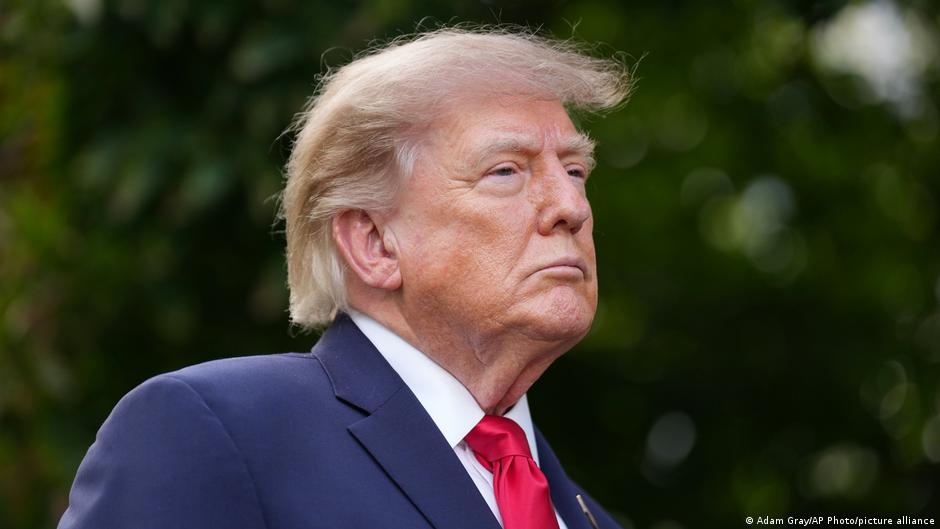
De la Espriella enjoys backing from former U.S. President Donald Trump, who praised the businessman’s decisive electoral success on social media. This endorsement aligns with expectations of closer ties between Colombia and the United States, particularly in security cooperation and economic partnerships, which may foster a more favorable environment for foreign direct investment.
The incoming president has pledged to reduce bureaucratic hurdles and stimulate the private sector, potentially benefiting startups by easing regulatory constraints that currently affect business formation and innovation. However, his commitment to militarized anti-crime policies might also introduce uncertainties regarding civil stability, which investors often weigh heavily.
Moreover, the transition follows a turbulent period marked by U.S. sanctions against the previous administration, including travel bans on President Petro and his ministers, driven by allegations of tolerance towards drug cartels. Petro’s policies, including his criticism of U.S. military actions and support for Israel, had led to strained bilateral relations.
De la Espriella’s anticipated government aims to reverse this dynamic through strengthened regional security cooperation and efforts to curb illegal immigration to the United States, signaling potential improvements in diplomatic and economic collaboration.
As Colombia’s innovation ecosystem navigates this political transformation, startups and venture capital firms will monitor how the new administration’s deregulatory agenda, combined with intensified security measures, impact the country’s investment attractiveness and capacity for technological advancement.