Russia Permits Sale of Lower-Grade Fuel Until 2027 Amid Energy Supply Crisis
Temporary authorization of Euro-2 to Euro-4 fuel grades aims to stabilize fuel availability in Russia's energy sector.
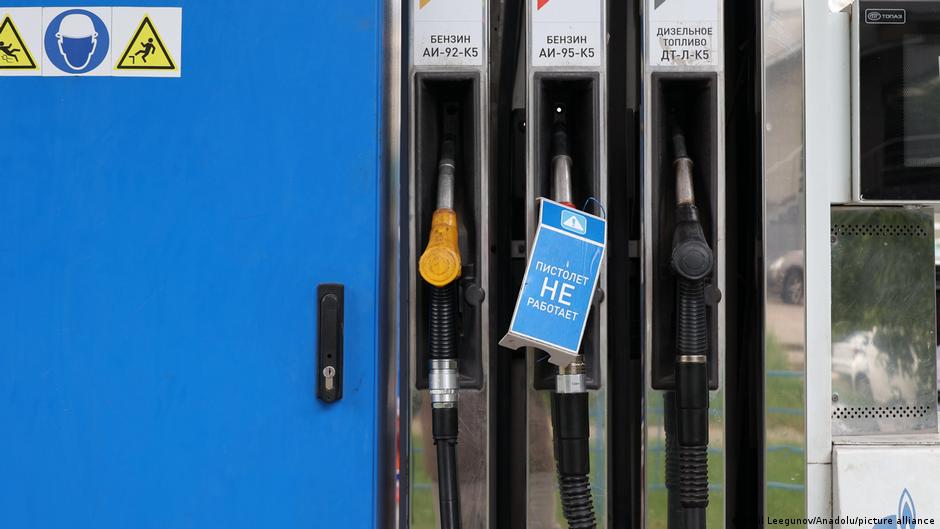
The Russian government has authorized the production and sale of lower-grade fuels, specifically Euro-2, Euro-3, and Euro-4 standards, until July 1, 2027. This decision, announced by the Ministry of Energy, is designated as a temporary, crisis-mitigating measure to ensure a balance between fuel quality requirements and the need to maintain fuel accessibility for consumers amid ongoing disruptions in the energy sector.
Previously, Russia had planned to phase out the sale of lower environmental class fuels, but the recent policy reversal permits these fuels, categorized as K2 through K4, to remain in circulation. At the same time, the government rescinded an earlier directive that allowed the sale of K5 class fuels containing higher sulfur content until the end of 2026.
Impact on the Fuel and Energy Ecosystem
The Ministry of Energy noted that all fuel stations will clearly label the ecological class of the fuel they sell to inform consumers. This regulatory adjustment responds to a critical fuel supply crisis triggered by sustained attacks by Ukrainian armed forces on key Russian oil refineries and energy infrastructure.
One of the most significant blows was dealt to the Moscow-based Kapotnya refinery, which supplies approximately 40% of the capital's fuel. The refinery was struck twice within a week, rendering it inoperative until late 2026 or early 2027. The resulting bottlenecks contributed to a sharp decline in gasoline production, with Reuters reporting a 25% year-over-year drop in June 2026, down to 85,000 tonnes per day, while peak summer demand reaches 110,000 tonnes daily.
Official fuel sales restrictions have been implemented in over 40 Russian regions as a result of these shortages. The allowance for lower-grade fuel usage enables oil producers to utilize crude oil without extensive refining and to activate production capacities that cannot meet higher fuel standards, thus simplifying manufacturing processes.
"Allowing the use of lower environmental class fuels may increase gasoline output by hundreds of thousands of tons monthly, but it is unlikely to fully compensate for the lost volumes," stated Dmitry Prokofiev, Communications Director at NEFT Research.
From a technology and innovation perspective, this policy shift poses complex challenges. The use of lower-grade fuels may not be compatible with the specifications of many modern vehicles, potentially impacting automotive tech startups focused on clean and efficient mobility solutions. Furthermore, extended reliance on less refined fuels could slow momentum in Russia’s energy innovation ecosystem, which has been striving to develop more sustainable fuel technologies.
Venture Capital and Startup Ecosystem Implications
The ongoing energy supply pressures and temporary regulatory rollback may influence venture capital flows and startup innovation strategies in Russia’s tech sector. Startups developing advanced refining technologies, alternative fuels, or sustainable mobility solutions might face increased market uncertainty. Investors may reconsider their risk exposure given the extended timeline for fuel quality improvements.
However, the crisis also opens avenues for innovation-driven companies to accelerate solutions that mitigate the impact of fuel quality fluctuations. For instance, startups working on engine adaptation technologies or fuel additives designed to optimize lower-grade fuel performance could find new market opportunities amid shifting regulatory landscapes.
Overall, while the government’s antikrisis measures prioritize short-term fuel availability, the extended authorization for low-grade fuels underscores the urgent need for innovation in Russia’s energy and transportation sectors. The balance between crisis management and long-term sustainability will be critical as stakeholders navigate the evolving landscape.