Former German Foreign Minister Annalena Baerbock to Join Columbia University as Professor
Ex-foreign minister Annalena Baerbock will teach at Columbia University in New York after her UN General Assembly chairmanship ends.
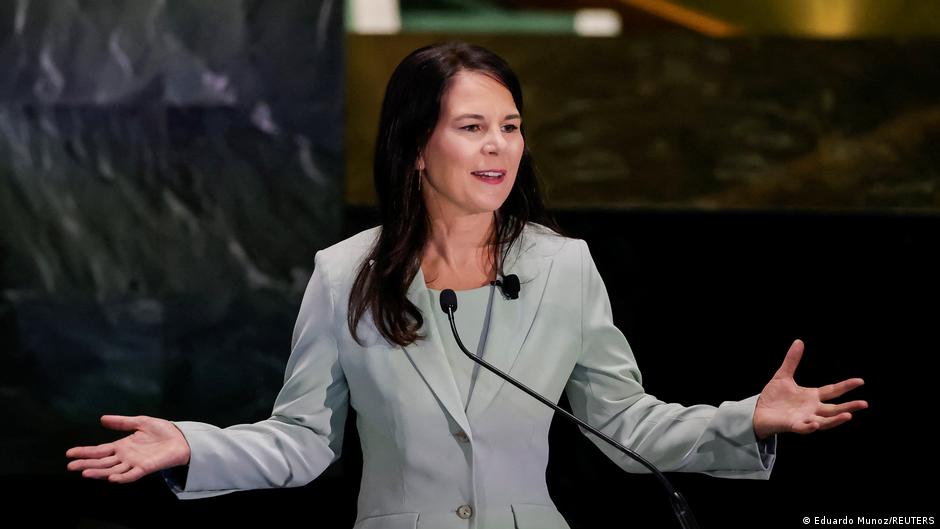
Annalena Baerbock, former German Foreign Minister and current chairwoman of the United Nations General Assembly, will take up a teaching position at Columbia University in New York after her term ends. This move highlights the increasing intersection between global policy leadership and academic engagement within the innovation ecosystem.
Transition from Global Diplomacy to Academic Leadership
Baerbock will serve as co-director of the Master of Public Administration in Global Leadership program housed within the School of International and Public Affairs (SIPA) at Columbia University. Unlike traditional research-focused professorships, her role is practice-oriented, designed to bridge high-level international experience with academic training for future leaders.
"Her appointment represents a strategic integration of real-world global leadership experience into academic instruction, beneficial for students and the broader innovation environment," said an academic source familiar with the appointment.
The three-year position will also include guest lecturing and public speaking engagements, allowing Baerbock to share her expertise on international relations and governance with a diverse student body. Her appointment follows the completion of her one-year mandate as UN General Assembly chair, a role she has held since September 2023.
Implications for the Tech and Startup Ecosystem
Baerbock's move to Columbia University arrives at a time when geopolitical expertise is increasingly relevant to global venture capital and startup ecosystems. Her background in international diplomacy and environmental policy aligns with growing investor interest in sustainability-focused technologies and cross-border partnerships.
New York City, a global hub for startups and innovation, offers Baerbock a dynamic environment where academic leadership can influence venture capital trends and startup growth. By educating future public and private sector leaders, she is positioned to impact policy frameworks that facilitate international collaboration, regulatory clarity, and investment flows into emerging technology sectors.
Her transition also echoes a trend where former policymakers integrate into academic roles, catalyzing knowledge exchange between government, academia, and industry. This confluence is critical for fostering innovation ecosystems that thrive amidst complex regulatory and geopolitical landscapes.
Historical Context and Precedents
Baerbock's path follows that of Joschka Fischer, another former German foreign minister and Green Party member, who transitioned into academia and consultancy after his political career. Fischer lectured at Princeton University and advised on major infrastructure projects such as the Nabucco gas pipeline, before engaging with Siemens AG as a political consultant.
This precedent underscores how seasoned political figures can leverage their expertise to influence both academic discourse and corporate strategy, particularly in sectors affected by international policy such as energy, technology, and infrastructure.
As Baerbock settles into her role at Columbia, the nexus of diplomacy, education, and innovation presents promising avenues for collaboration between public leadership and the venture capital community, thereby shaping the future landscape of technology and global entrepreneurship.