Kyiv Mayor Urges Temporary Relocation as Russian Strikes Threaten City Resilience
Vitali Klitschko warned that intensified Russian attacks on Kyiv are testing the capital’s infrastructure, workforce stability and winter readiness.
Kyiv Mayor Vitali Klitschko has advised residents of the Ukrainian capital who have friends or relatives elsewhere in the country to consider leaving the city temporarily, as Russia intensifies attacks on civilian infrastructure and urban systems. His warning, delivered in an interview with AFP published on Wednesday, October 8, underscores the mounting pressure on Ukraine’s largest city at a moment when physical security, energy resilience and continuity of operations are becoming central concerns for businesses, startups and investors.
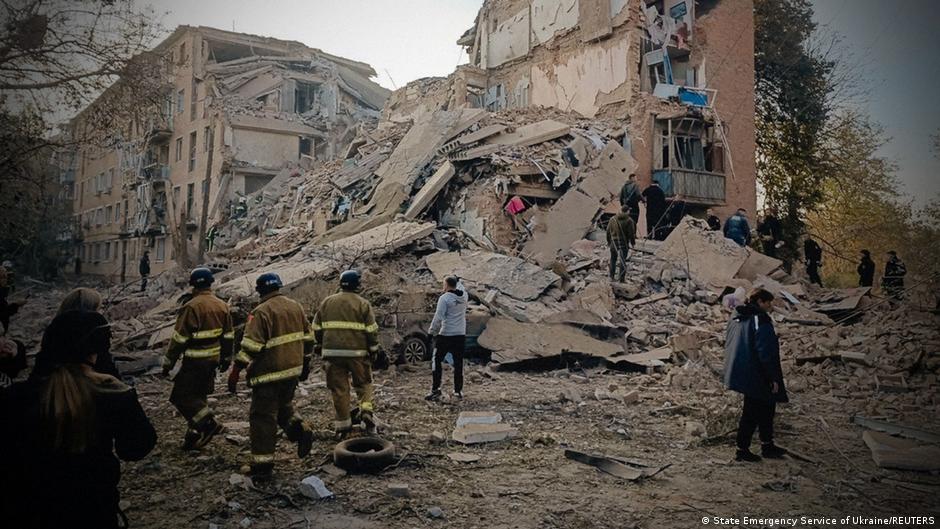
“Every day there are new reports of destroyed buildings, wounded and dead people, as shelling of our city intensifies. Today it is about survival,” Klitschko said.
The mayor said that if Russian attacks disrupt Kyiv’s water supply system, the city could face a “fairly large-scale” crisis. He emphasized, however, that he was not calling for a full evacuation of the capital. In Klitschko’s view, a mass departure would serve Russian President Vladimir Putin’s objectives by emptying Ukrainian cities and weakening the country’s ability to function under pressure.
“That is Putin’s goal. The best scenario for him is that we all leave and give him our empty cities and the whole country,” Klitschko said.
For Ukraine’s innovation economy, the remarks are significant beyond the immediate humanitarian and security implications. Kyiv remains a core hub for the country’s technology sector, home to founders, software engineers, venture-backed teams, product studios and service providers that support both domestic and international clients. Any sustained disruption to water, heating, energy, transport or communications infrastructure could affect startup operations, investor confidence, hiring plans and the ability of companies to maintain business continuity through the winter.
Infrastructure Risk Becomes a Startup Risk
Klitschko said Kyiv authorities are building backup heating systems ahead of winter and stockpiling fuel, food and drinking water. Those preparations reflect the city’s effort to maintain essential services under conditions of repeated strikes. But the mayor also cautioned that even strong preparation may not be enough if air defense fails to intercept incoming attacks.
“However well the authorities and residents of Kyiv prepare, if air defense does not work, we may find ourselves in a bad scenario,” Klitschko said.
That warning resonates with a business community that has already adapted to wartime constraints through distributed teams, backup power, remote work, relocation plans and international customer bases. For venture-backed startups, resilience has become part of the operating model. Companies must plan not only for market risk and fundraising cycles, but also for electricity outages, connectivity failures, transport disruption and staff safety.
In normal markets, investors often evaluate startups by growth, margins, product velocity and addressable market. In wartime Ukraine, infrastructure durability and operational redundancy have become equally important. A founder’s ability to keep engineering, sales and customer support moving during attacks can determine whether a company remains investable, especially for funds with cross-border limited partners and international co-investors.
Kyiv’s role in Ukraine’s startup ecosystem makes the city’s stability especially consequential. While many Ukrainian technology companies have developed remote and international structures since Russia’s full-scale invasion, the capital still functions as a dense network of talent, capital, accelerators, legal advisers, government contacts and corporate clients. Temporary relocation by some residents would not necessarily halt that ecosystem, but it could further decentralize it and push more activity toward other Ukrainian cities or foreign hubs.
Attacks Expand to Bridges, Energy and Communications
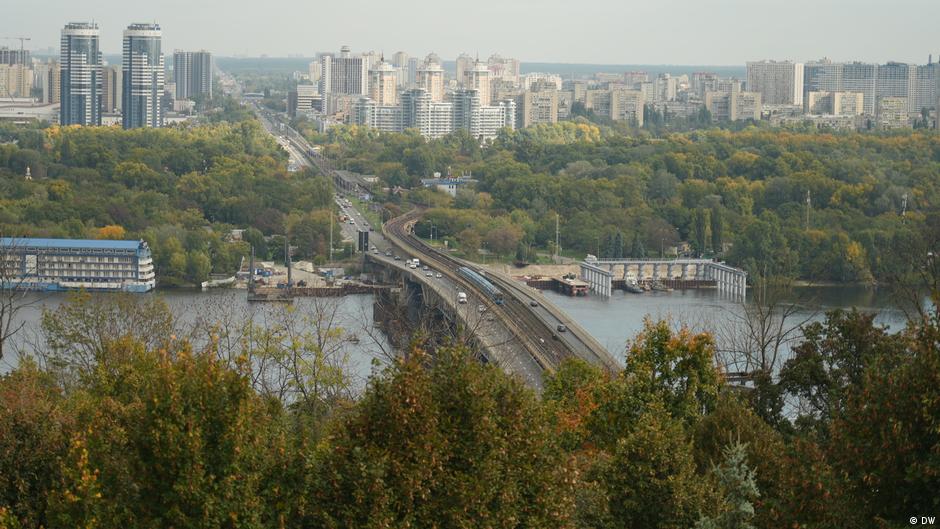
According to the source report, Russia intensified attacks on Kyiv in September. In early October, Russian forces began striking bridges across the Dnipro River that connect the right-bank and left-bank parts of the city. These bridges had not previously been attacked. The reported targets also included energy and communications facilities, as well as railway infrastructure.
Those target categories are particularly relevant to the technology and investment landscape. Energy infrastructure supports offices, data workflows, home-based work and hardware-dependent businesses. Communications infrastructure underpins software delivery, payments, customer support and remote collaboration. Railway infrastructure affects employee mobility, logistics, investor travel and the movement of goods. Bridges across the Dnipro are not just civic assets; they are part of the daily operating fabric of the capital.
For startups, disruptions of this kind can ripple through everything from product launches to customer contracts. A software company may be able to shift servers and teams abroad, but its Ukrainian workforce still depends on local power, internet and transport. Hardware startups, defense-tech firms and logistics platforms face even more direct exposure to physical infrastructure. Venture investors assessing Ukrainian companies may increasingly look at how management teams plan around these constraints, including contingency staffing, geographic distribution and cash buffers.
At the same time, the pressure on Kyiv may also reinforce sectors tied to resilience and security. Ukrainian companies working in energy backup, communications redundancy, cyber defense, logistics, drone technology, infrastructure monitoring and emergency coordination are operating in an environment where demand is immediate and practical. The same conditions that threaten the broader ecosystem may accelerate innovation in areas directly connected to national survival and urban continuity.
Government Strategy and Market Confidence
On October 3, Ukrainian President Volodymyr Zelensky said Russia had adopted a new strategy of air strikes aimed at forcing Ukrainians to leave Kyiv and other major cities. Klitschko’s comments now put that assessment in the context of city-level preparedness and public guidance.
For venture capital, the central issue is not only whether startups can continue operating during acute attacks, but whether Ukraine’s urban centers can sustain enough predictability for capital formation, acquisitions and long-term innovation. M&A activity depends on diligence, management access, legal execution and buyer confidence. Fundraising depends on investors believing that teams can keep building and that the market’s human capital will remain accessible. A major infrastructure crisis in Kyiv would complicate those assumptions, even if it does not erase them.
Klitschko’s message stops short of an evacuation order, and that distinction matters. He is advising temporary relocation for residents with options outside the capital, while also framing continued Ukrainian presence in cities as part of the broader resistance to Russia’s objectives. For companies and investors, the practical implication is likely to be more scenario planning rather than a wholesale withdrawal from Kyiv.
Ukraine’s startup sector has already been shaped by war into a more distributed, resilient and internationally connected ecosystem. The latest warnings from Kyiv’s mayor show that this adaptation is still being tested. As winter approaches, the strength of air defense, backup infrastructure and corporate continuity plans may become decisive not only for civilian life in the capital, but also for the next phase of Ukrainian technology investment.