France and Poland Collaborate on Military Satellite to Enhance Secure Communications
French and Polish governments join forces to develop a secure military satellite, aiming to reduce reliance on Starlink and boost European defense tech capabilities.
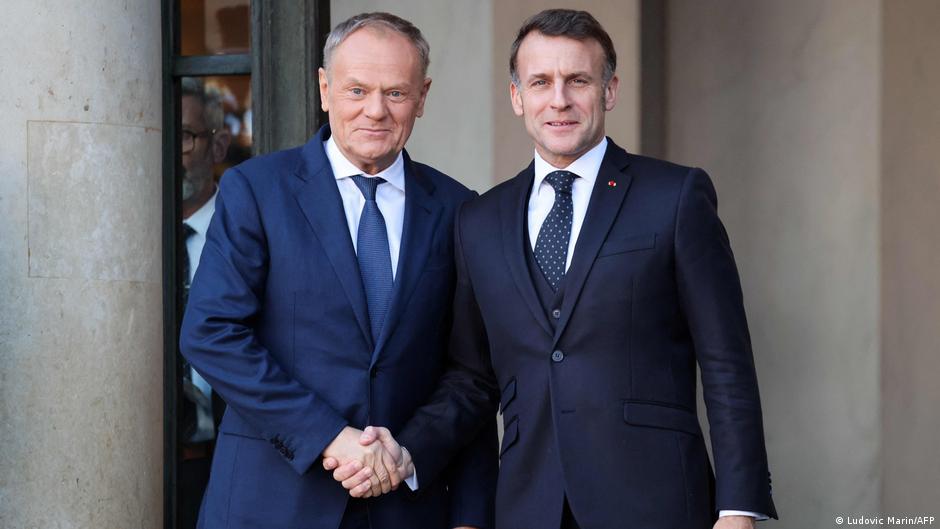
In a significant development for the European defense and technology sectors, France and Poland have announced a joint project to build a dedicated military satellite for the Polish Armed Forces. The announcement came during a meeting in Gdańsk between French President Emmanuel Macron and Polish Prime Minister Donald Tusk on April 20.
Strategic Collaboration in Space Technology
This cooperative initiative aims to create an independent and secure military communication channel for Poland, serving as an alternative to the U.S.-based Starlink system. The project will be executed by a consortium of major aerospace and defense companies, including Thales Alenia Space, Airbus Defence and Space, and RADMOR.
The move aligns with the European Commission's broader defense strategy, which seeks to establish sufficient autonomous defense capabilities within the European Union by 2030. By investing in indigenous satellite infrastructure, the EU hopes to mitigate strategic vulnerabilities arising from dependence on foreign-owned communication systems, particularly those controlled by private entities such as Elon Musk's SpaceX.
"The project is a key step towards enhancing Europe's self-reliance in defense communications and reducing political risks linked to external satellite providers," commented industry analysts.
Implications for the Tech Startup and Venture Capital Ecosystem
The France-Poland satellite collaboration illustrates how government-backed defense initiatives can stimulate growth in the aerospace and cybersecurity sectors, creating opportunities for startups and venture capitalists focused on space tech, secure communications, and defense innovation.
Startups specializing in satellite technology, encryption, and defense-related software may find increased opportunities for partnerships and funding as EU-backed projects expand. The involvement of established aerospace giants like Thales and Airbus further underscores the potential for technology transfer and joint ventures with emerging tech firms.
Moreover, the European Union's Security Action for Europe (SAFE) fund, which supports investments in the defense sector, could drive further capital influx toward startups innovating in missile defense, early warning systems, and advanced military communications. This could accelerate technological advancements while fostering a more integrated European defense innovation ecosystem.
During their meeting, Macron and Tusk also discussed cooperation on nuclear deterrence, energy security, missile defense, and long-range armaments. These discussions hint at broader future collaborations that could open new avenues for startups and investors in defense-related technologies across Europe.
As Europe strengthens its strategic autonomy and invests heavily in defense technologies, the startup landscape is poised to benefit from increased government contracts, funding initiatives, and collaborative projects with industry incumbents. This partnership between France and Poland may serve as a blueprint for future cross-border ventures in the European defense tech space.