France Tightens Visa Issuance Rules for Russian Citizens Impacting Startup Mobility
France joins Italy, Spain, and Hungary in restricting visa procedures for Russians, affecting tech startup founders and investors.
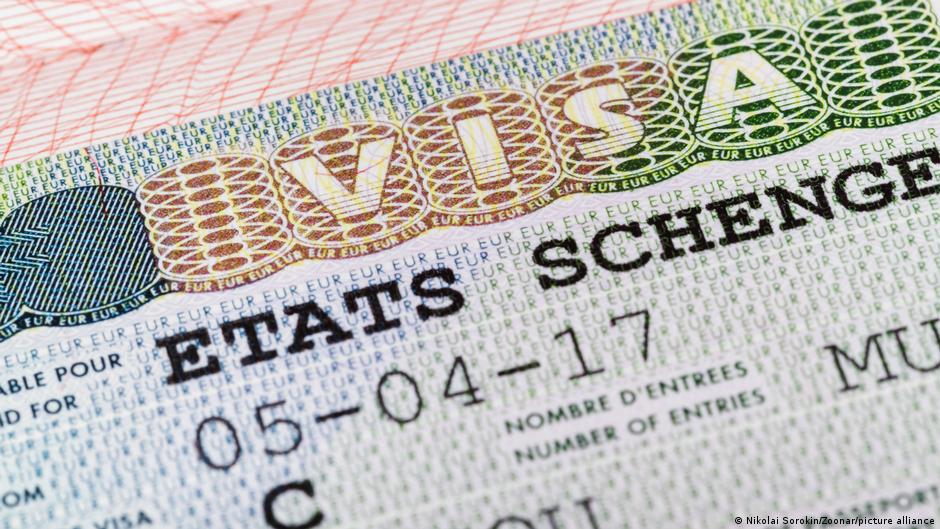
France has announced new restrictions on the issuance of Schengen visas to Russian citizens, becoming the fourth European Union country to tighten visa procedures following Italy, Spain, and Hungary. These changes could significantly impact Russian tech entrepreneurs, investors, and the broader innovation ecosystem by limiting international mobility.
New Visa Application Requirements
Effective July 15, the French visa center in Moscow will no longer accept visa applications submitted via notarized power of attorney. Instead, applicants will need to apply in person or through close family members. Specifically, only the applicant themselves, parents or guardians applying for children under 18, and close relatives—spouses, children, and parents—will be eligible to submit applications on someone else's behalf.
Applicants must present original documents proving familial relationships, and biometric data collection is mandatory for all applicants over the age of 12. Importantly, applicants must have completed biometric procedures within the last 59 months prior to their visa application and must personally sign the application form.
"The tightened visa issuance policies impose additional hurdles for Russian tech entrepreneurs seeking to engage globally," said industry observers.
Broader Impact on the Tech and Startup Ecosystem
These visa restrictions come amid rising demand for Schengen visas from Russians, causing processing delays. For instance, the Italian visa center in Moscow has experienced wait times of up to 60 days, while the Spanish center reports delays of up to 45 days. Furthermore, Hungary has suspended visa applications in Russian cities including Samara, Ufa, and Kazan.
For Russian tech startups and venture capital firms, international travel is crucial for participating in global events, investor meetings, and cross-border collaborations. The new visa policies may hinder these activities, slowing down deal-making, startup scaling, and innovation exchange.
Venture capital investors and startup founders will need to navigate these procedural obstacles carefully, potentially relying more on digital communication or seeking alternative markets. The evolving visa landscape underscores the geopolitical challenges increasingly affecting the global tech innovation ecosystem.