Fugitive Former Polish Minister Flees Hungary for US Amid Legal Pursuit
Ex-Polish justice minister Zbigniew Ziobro escapes Hungary for the US as new Hungarian PM vows to extradite officials sought by Poland.
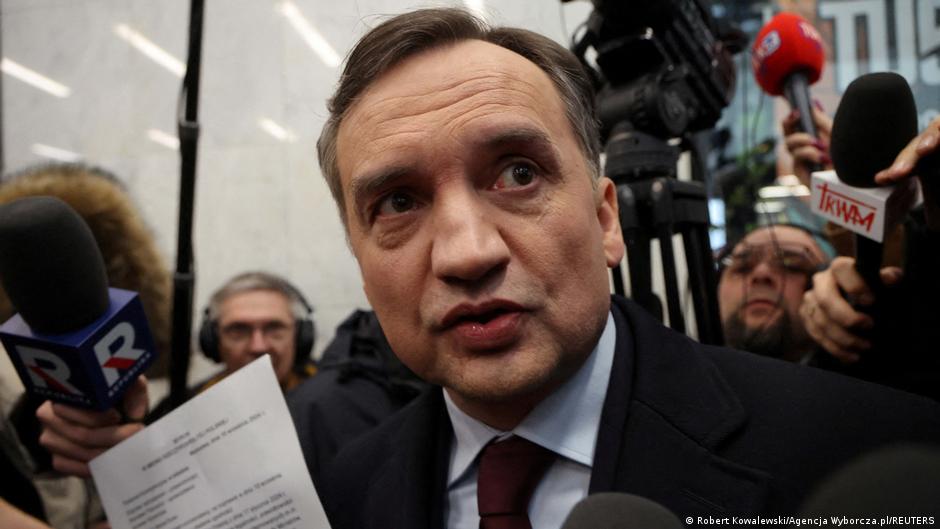
Former Polish Minister of Justice Zbigniew Ziobro, who was granted asylum in Hungary during Viktor Orban's administration but is wanted in Poland on multiple criminal charges, has fled to the United States. This development follows Hungary’s new Prime Minister, Peter Marki-Zay’s pledge to extradite Polish officials sheltering in Hungary.
Impact on Central European Political Dynamics and Tech Sector
Ziobro’s flight to the US signals heightened tensions between Poland, Hungary, and the United States. Poland accuses Ziobro of corruption, embezzlement, and abuse of power, including misappropriating funds intended for crime victims to acquire Israeli Pegasus spyware. This spyware allegedly targeted political opponents of Poland's previous ruling Law and Justice party (PiS), to which Ziobro belongs.
"If they want to initiate extradition proceedings–please," Ziobro stated, acknowledging the complexity of US legal procedures for extradition.
Reports indicate Ziobro entered the US on a work visa as a political commentator for the right-wing Polish television channel Republika, which maintains close ties with the pro-Trump MAGA movement. The issuance of Ziobro’s visa is said to have been personally approved by former US President Donald Trump.
The political fallout extends to the tech innovation ecosystem, given the spyware procurement allegations. The misuse of advanced surveillance technology like Pegasus highlights risks and ethical concerns surrounding government use of spyware in Central Europe. Such scandals may impact investor confidence in political stability and data security within the region’s burgeoning tech startup sector.
Hungary’s previous asylum policy under Viktor Orban, which sheltered several European politicians facing legal challenges, has now shifted under Peter Marki-Zay, who campaigned on reversing Hungary’s role as a haven for foreign fugitives. Marki-Zay’s election victory in April 2026 and pledge to comply with Polish extradition requests signals a potential realignment of Central European political and judicial cooperation.
For startups and venture capitalists operating in Hungary and Poland, the evolving political landscape may affect cross-border investments and partnerships. Legal and reputational risks associated with politically exposed persons and government contracts involving spyware or cybersecurity firms could deter international funding and complicate M&A deals.
As Poland pursues clarification from both Hungary and the US on how Ziobro crossed borders without valid documents—his Polish passport had been confiscated—the incident underscores the complexity of migration policies and visa issuance impacting political dissidents and professionals alike.
The case further illustrates how geopolitical shifts and legal disputes among allied nations can reverberate into the tech and innovation sectors, affecting regulatory environments, startup valuations, and the broader European venture ecosystem.