G20 Invitation Puts Putin’s Negotiation Stance Under Investor Scrutiny
Germany says a ceasefire in Ukraine would show whether Moscow is prepared for serious talks as a Miami G20 invitation draws U.S. pushback.
A potential appearance by Russian President Vladimir Putin at the G20 summit in Miami this December is emerging as a diplomatic test with implications beyond foreign policy. For venture investors, technology founders and companies weighing cross-border expansion or acquisitions in Europe, the question is whether the Kremlin is prepared to move toward negotiations over Ukraine, or whether geopolitical risk will remain fixed at crisis levels.
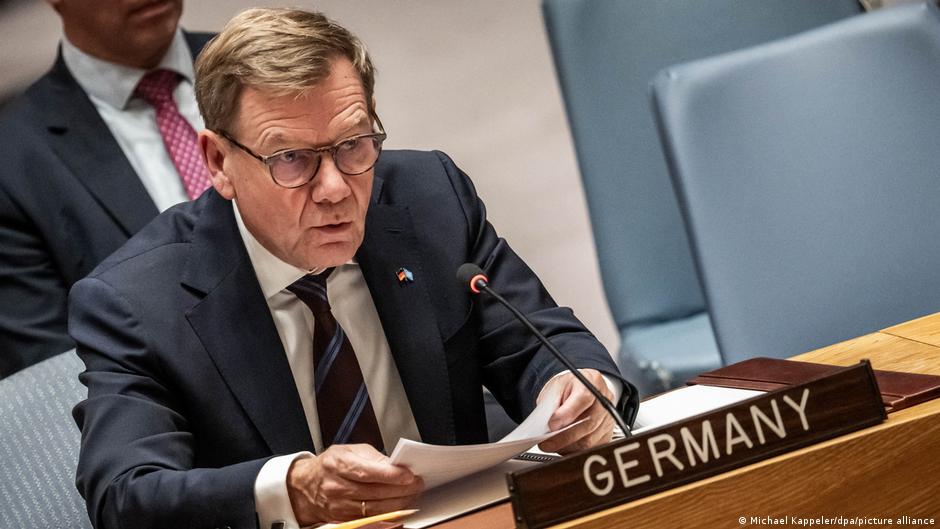
German Foreign Minister Johann Wadephul said on Friday, September 25, during a meeting in Ottawa with Canadian Foreign Minister Anita Anand, that the U.S. invitation to the G20 summit would be a “litmus test” for Putin. According to Wadephul, Moscow’s willingness to enter serious talks on ending the war in Ukraine would be demonstrated by a ceasefire in Ukraine.
The statement matters for markets because the war has shaped the operating environment for European startups since Russia’s full-scale invasion of Ukraine. Sanctions, energy security concerns, cybersecurity threats, defense spending priorities and supply-chain fragmentation have all influenced venture allocations and corporate strategy. Any credible diplomatic opening could affect risk assessments for founders and investors operating in Central and Eastern Europe, cybersecurity, dual-use technologies, defense software, energy resilience and logistics.
Ceasefire Signal Would Matter for Startup Risk
Wadephul said Germany and other Western countries allied with Ukraine have repeatedly called on Russian authorities, and Putin personally, to come to the negotiating table. He argued that a ceasefire would be the signal that Russia is ready for substantive negotiations.
For venture-backed companies, that signal would not automatically resolve the region’s business uncertainty. But it could begin to alter the assumptions that drive term sheets, expansion plans and mergers and acquisitions. Investors have continued to back Ukrainian and regional technology companies in areas such as cybersecurity, defense tech, AI infrastructure, fintech and reconstruction-related software, but many funds still price in prolonged war risk, talent mobility issues and limits on exits involving sanctioned or politically sensitive assets.
Asked whether countries should boycott the G20 summit if Putin continues military action, Wadephul said Russia’s participation remained “very hypothetical” and urged observers to wait for developments in the coming weeks.
“Russia must negotiate — the sooner, the better,” Wadephul said.
Anand also said Putin’s potential participation in the G20 should not become grounds for a boycott. She argued that diplomacy requires staying at the table and conducting difficult conversations. That position reflects a broader tension among Ukraine’s allies: how to preserve pressure on Moscow while leaving room for negotiations if a credible opening appears.
Miami Summit Draws U.S. Political Resistance
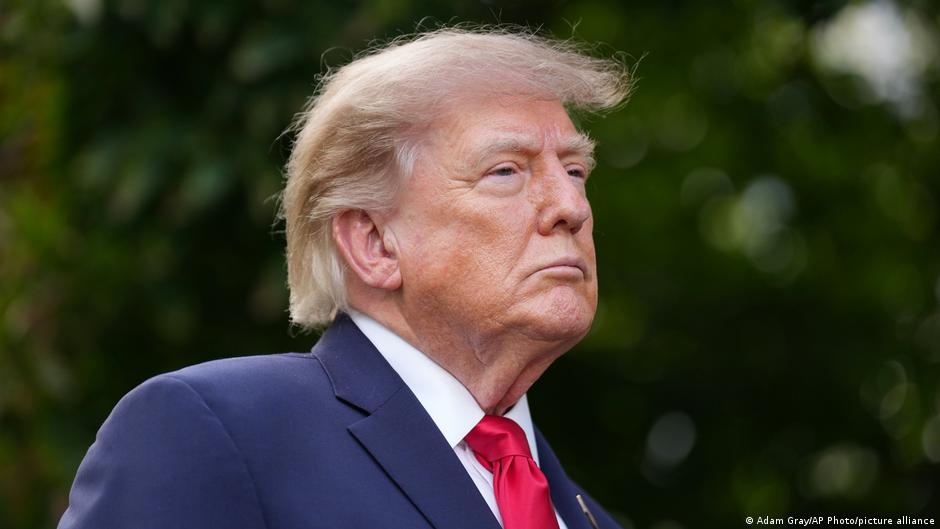
Earlier, U.S. Secretary of State Marco Rubio said Putin had been invited to the G20 summit, which is scheduled to take place in December in Miami. Rubio said the visit would give the Kremlin leader an opportunity to hold talks with U.S. President Donald Trump and other heads of state and government. The Kremlin has not yet decided how to respond to the invitation.
According to The Washington Post, a bipartisan group of 14 U.S. senators has urged Trump to withdraw the invitation. The senators argued that Putin bears sole responsibility for Russia’s full-scale war of aggression against Ukraine and said giving him the opportunity to attend a G20 summit in the United States raises serious concerns about legitimizing and normalizing authorities that continue daily strikes on civilian targets in Ukraine.
The senators also noted that Putin and other members of the Russian delegation are under U.S. sanctions for actions Washington considers a threat to national security. They argued that if Putin is not isolated from the international community, he will have less motivation to end the war in Ukraine.
That sanctions context is particularly relevant for venture capital and technology M&A. U.S. and European restrictions have forced investors, acquirers and startup boards to apply more intensive compliance reviews to any transaction with potential exposure to Russian ownership, capital, counterparties or technology transfer. A high-profile diplomatic invitation does not change sanctions law. But it can affect perceptions of political direction, and perception often matters in fundraising, diligence and exit planning.
Startups with operations in Europe may also watch whether the summit becomes a forum for talks between Trump, Putin and other leaders. A ceasefire, if it emerged, could influence sectors tied to reconstruction, infrastructure modernization, energy systems and public-sector digital transformation. At the same time, investors are likely to remain cautious until there are concrete changes on the ground, given the gap between diplomatic appearances and enforceable security outcomes.
The controversy also highlights how geopolitics has become part of the venture operating model. Funds investing in cybersecurity, defense technology, satellite data, resilient infrastructure and government software increasingly evaluate political risk alongside product-market fit and revenue growth. For founders, especially those selling into NATO countries or handling sensitive infrastructure data, a shift in the diplomatic environment could affect procurement cycles and partnership opportunities.
For now, Wadephul’s framing keeps the focus on a practical benchmark: a ceasefire in Ukraine. Without that, the invitation risks becoming a symbolic fight over normalization. With it, the Miami summit could become a venue for negotiations that would reverberate through Europe’s innovation economy, from capital allocation to acquisition strategy.