Global Oil Reserves Plunge at Record Pace Amid Middle East Conflict Impacting Energy Markets
Record declines in oil inventories intensify supply concerns, posing risks and opportunities for energy-focused tech startups and venture capital investors.
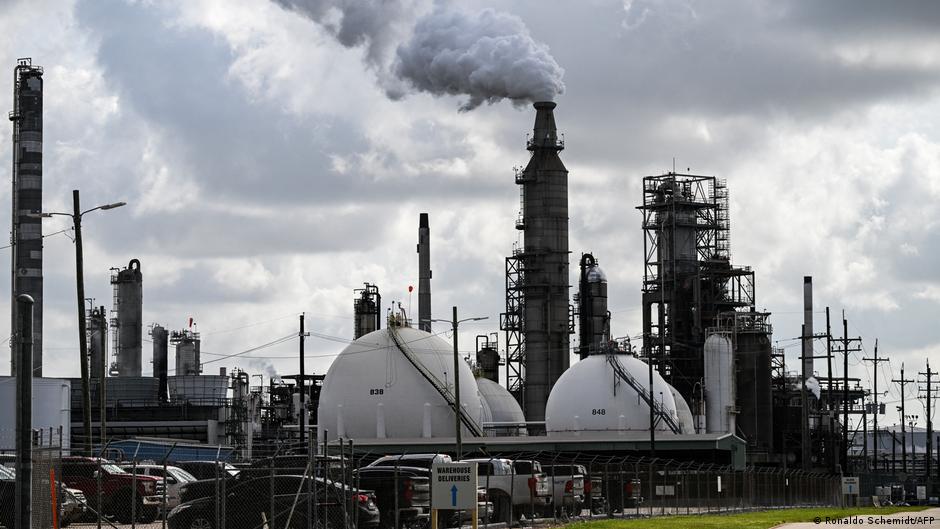
In April, global oil reserves experienced an unprecedented decline of 200 million barrels, driven by geopolitical tensions in the Middle East despite declining demand, according to recent analyses from S&P Global Energy and Goldman Sachs. This contraction highlights critical supply challenges that could reshape investment patterns and innovation trajectories within energy-related technology sectors.
Record Oil Inventory Drops Amid War and Market Disruptions
Analysts report that the ongoing conflict involving the US and Israel against Iran has led to a dramatic reduction in global oil inventories. S&P Global Energy data reveals a decrease of 6.6 million barrels per day in oil volumes during April, even as demand dropped by 5 million barrels daily — the second-largest decline in recorded history, surpassed only during the peak of the COVID-19 pandemic.
Goldman Sachs concurs with these findings, emphasizing that global oil stocks are nearing their lowest levels in eight years. In Northern Europe, aviation fuel reserves hit a six-year low in April, underscoring the widespread impact across various energy commodities.
While Asia has so far felt the brunt of shortages, the US is also facing potential gasoline stock shortages ahead of the summer travel season. These developments pose both operational risks and investment opportunities for startups developing innovative energy solutions, from alternative fuels to supply chain technologies.
"The scale of these inventory declines far exceeds typical fluctuations," said Jim Burkhard, head of oil market research at S&P Global Energy. "The market has yet to fully react, indicating that oil price increases are likely still ahead."
The blockade of the Strait of Hormuz and ongoing Middle East hostilities have deprived the oil market of nearly 1 billion barrels, pushing global reserves perilously close to a critical threshold that may be reached within weeks. This supply squeeze could accelerate venture capital interest in technologies aiming to enhance energy efficiency, diversify supply chains, and develop alternative energy sources.
Although total global oil reserves stand at approximately 4 billion barrels, much of this stockpile is tied up in operational processes essential for refinery and pipeline functionality. This underscores the limited buffer capacity the energy ecosystem has to absorb further shocks, making technological innovation in this space even more urgent.
Implications for Tech Startups and Venture Capital
The unprecedented decline in oil inventories amid geopolitical instability presents a landscape ripe for innovation. Startups focusing on energy storage, real-time supply chain analytics, and alternative energy sources may attract heightened investor attention. Venture capital firms could increasingly prioritize funding companies that offer solutions to mitigate supply risks and reduce dependency on volatile fossil fuel markets.
Moreover, M&A activity within the energy tech sector is likely to accelerate as larger players seek to acquire promising startups that can help navigate this evolving landscape. The current crisis underscores the importance of agility and technological advancement in securing stable energy supplies and meeting consumer demand.
As global oil markets grapple with these challenges, the broader innovation ecosystem must respond by fast-tracking technologies that enhance resilience and sustainability. This moment could mark a pivotal shift towards a more diversified and technologically driven energy future.