US Approves $373.6M Sale of JDAM-ER Kits to Ukraine, Boosting Precision Strike Capabilities
The US State Department has authorized a potential $373.6 million sale of advanced JDAM-ER kits to Ukraine, enhancing the range and accuracy of aerial bombs.
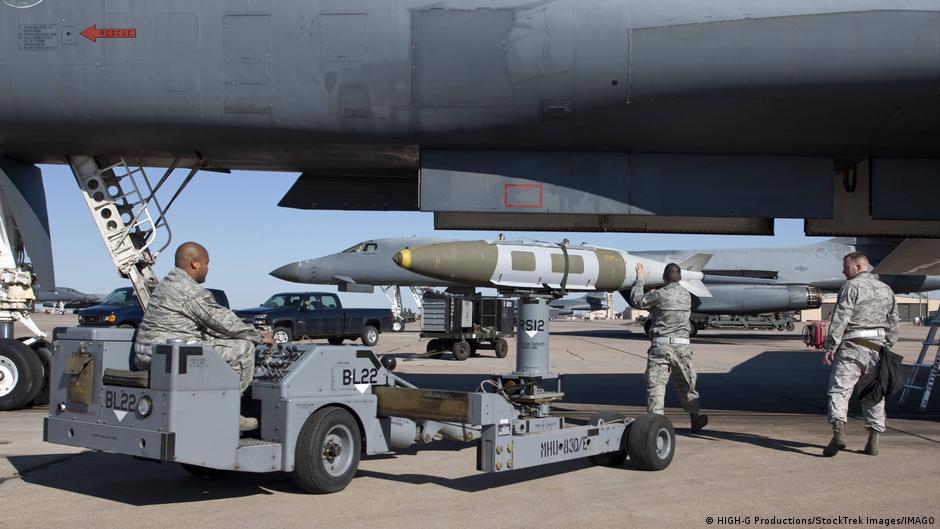
The US State Department has approved a potential $373.6 million sale of Joint Direct Attack Munition-Extended Range (JDAM-ER) kits to Ukraine, aiming to significantly improve the precision and strike range of the country's aerial bombs. This move marks a strategic enhancement in Kyiv's military capabilities amid ongoing conflict.
Implications for Defense Technology and Supply Chains
The JDAM-ER system consists of aerodynamic tail kits that attach to conventional bombs, extending their range by approximately 70 to 80 kilometers. Ukraine has requested 1,532 of these kits, which will come bundled with maintenance equipment, spare parts, software, repair and logistics services. The prime contractor for this contract is Boeing, a major player in advanced aerospace and defense technology.
While this approval signifies permission for the arms transfer, it does not guarantee immediate delivery. The transaction still requires final contracting and production phases before the kits can be shipped to Ukraine. The process highlights the complexities and long timelines commonly associated with advanced military equipment procurement.
"The approval from the US State Department enables a strategic supply chain partnership between Boeing and Ukraine's defense sector, potentially fostering future tech collaboration and innovation in military-grade precision systems."
Earlier in 2023, the US had already supplied the initial JDAM-ER units to Ukraine as part of a $1.85 billion aid package approved during the first year of Russia's full-scale invasion. However, some of those kits reportedly malfunctioned in spring 2023, possibly due to improperly installed fuzes and electronic warfare measures deployed by Russia, which interfere with the GPS signals guiding these munitions.
This latest potential contract not only replenishes Ukraine's stock but also underscores the ongoing challenges in maintaining and upgrading complex weapon systems under conflict conditions. It may also incentivize innovation among defense technology startups and contractors, especially those involved in precision guidance, electronic countermeasures, and maintenance logistics.
From a venture capital perspective, the growing demand for advanced military technology amid geopolitical tensions could stimulate investment in startups focusing on avionics, GPS resilience, and autonomous guidance systems. Strategic partnerships with established defense contractors like Boeing might further accelerate commercialization and technology transfer opportunities in this sector.
Moreover, as global defense ecosystems adapt to hybrid warfare environments, the integration of cutting-edge tech solutions into munitions and battlefield logistics could become a significant avenue for innovation-driven growth. This contract's approval not only represents a defense upgrade but also a potential catalyst for the broader defense tech innovation ecosystem.