Russian Strikes Continue in Ukraine Despite Proposed Ceasefire, Impacting Civilian and Industrial Targets
Ukraine's unilateral ceasefire proposal ignored by Russian forces, raising concerns for regional stability and economic recovery.
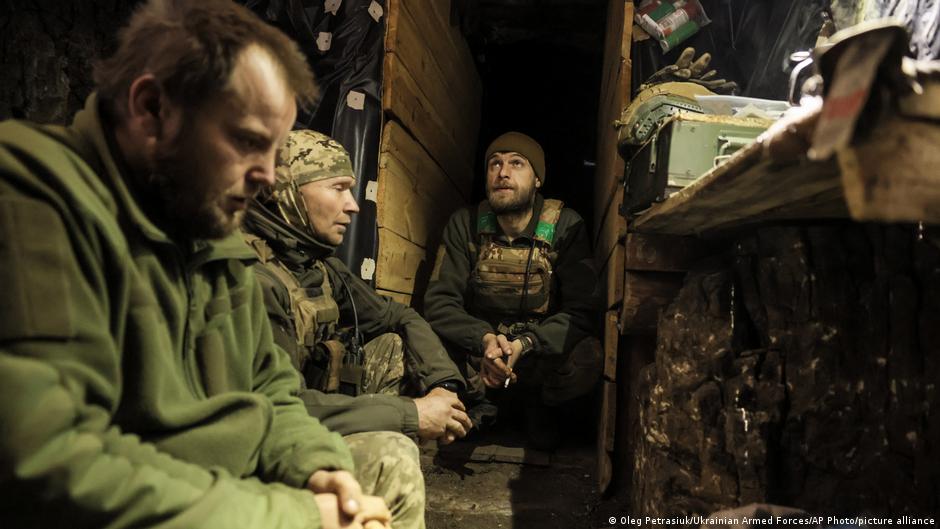
On the night of May 6, a unilateral ceasefire declared by Ukrainian President Volodymyr Zelensky took effect as an alternative to Russia's limited truce announced only for May 8-9. Despite this gesture, Russian Armed Forces continued their military strikes across several Ukrainian regions, undermining hopes for a de-escalation that could stabilize the conflict and support economic recovery.
Continued Russian Military Actions Undermine Ceasefire Efforts
Despite Ukraine’s attempt to halt hostilities earlier than Russia’s proposed holiday truce, Russian forces launched attacks targeting both civilian and industrial sites. In Zaporizhzhia region, an industrial facility was struck overnight, as reported by Ivan Fedorov, the head of the local military administration. Ukrainian Air Force data indicated that the attacks involved cruise missiles, with similar strikes recorded in Kharkiv, Sumy, and Donetsk oblasts.
Additionally, Russian drones were detected operating over Kharkiv and Dnipropetrovsk regions, signaling ongoing reconnaissance and possible preparation for further attacks. Ukrainian authorities have refrained from immediate public comment on these latest strikes, though President Zelensky had previously warned of reciprocal action should the attacks persist.
"Human life holds immeasurably greater value than the celebration of any anniversary," President Zelensky emphasized in his call for peace.
Implications for Ukraine's Tech and Innovation Ecosystem Amid Conflict
The persistent military aggression poses significant challenges to Ukraine’s burgeoning tech startups and innovation ecosystem. The continuation of strikes threatens the physical infrastructure vital for technological development, disrupts supply chains, and deters potential venture capital investment amid heightened risk. Moreover, the uncertainty around security complicates corporate planning and operational stability for startups and investors alike.
Ukrainian President Zelensky’s initiative to unilaterally cease fire reflects a strategic move not only aimed at humanitarian relief but also at stabilizing conditions favorable for economic activity and innovation growth. However, Russia’s disregard for this ceasefire exacerbates operational risks, potentially slowing down the recovery and growth trajectory of Ukraine’s technology sector, which has been gaining international attention and investment prior to the conflict escalation.
Geopolitical Context and Future Outlook
Earlier in the week, Russia announced a two-day unilateral truce coinciding with Victory Day celebrations, with a stern warning of retaliatory missile strikes on Kyiv if Ukraine were to disrupt the holiday. Ukraine responded by proposing an earlier ceasefire, starting May 6, indicating a willingness to prioritize civilian safety and economic stability over symbolic holidays.
According to statements from Ukrainian officials, Russia initially communicated its intention to cease fire during the Victory Day period following discussions between President Vladimir Putin and former U.S. President Donald Trump. However, the continuation of hostilities despite diplomatic overtures complicates prospects for negotiations and peace.
Casualties from recent Russian strikes have been significant, with over 20 fatalities reported in cities including Dnipro, Zaporizhzhia, and Kramatorsk. Meanwhile, the appointed Russian administrator of annexed Crimea, Sergey Aksyonov, claimed that Ukrainian drone attacks resulted in civilian deaths in the city of Dzhankoi, though Ukrainian authorities have yet to comment.
The ongoing conflict and disrupted ceasefire attempts have a ripple effect beyond immediate humanitarian concerns, posing severe challenges to Ukraine’s ability to attract venture capital and maintain momentum in the tech startup sector. Stability and security are essential for fostering innovation ecosystems, and the continuation of hostilities threatens to stall progress at a critical juncture.