Houthi Capture of Mocha Raises Red Sea Risk for Startups and Investors
The seizure strengthens Houthi positions near Bab el-Mandeb, a trade chokepoint whose disruption could raise energy costs and pressure venture-backed companies.
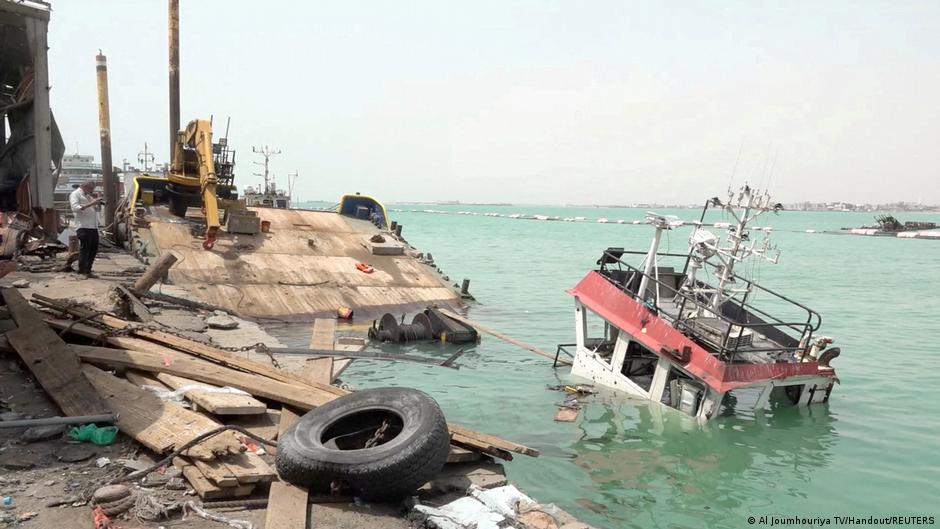
Iran-backed Houthi forces have captured the Yemeni port city of Mocha on the country’s western coast, expanding their control along the Red Sea and strengthening their position near the Bab el-Mandeb Strait, according to Reuters, which cited sources in Yemen’s government.
The development has immediate geopolitical significance, but it also carries implications for venture-backed companies, technology supply chains and the broader innovation economy. Bab el-Mandeb, the southern outlet of the Red Sea, has become increasingly important since the start of the U.S. and Israeli war against Iran because it is being used as an alternative trade route that partly offsets disruptions to oil supplies caused by the blockade of the Strait of Hormuz.
If the Houthis, who are supported by Iran, are able to take full control of the waterway, Tehran could gain an important military advantage. Reuters noted that such an outcome could reduce energy supplies and trigger a sharp increase in oil prices. For startups and growth companies, that would translate into higher logistics, cloud infrastructure, manufacturing and operating costs at a moment when many remain dependent on external capital and are sensitive to changes in investor risk appetite.
A chokepoint risk for the innovation economy
Mocha’s capture is part of a broader Houthi advance along Yemen’s coast. Government-aligned forces and their allies are currently being forced to retreat south along the Red Sea coast, Reuters reported, citing its sources. That shift matters beyond the battlefield because Bab el-Mandeb is not only a military and energy-security asset; it is also part of the trade architecture that underpins global hardware, consumer technology, industrial equipment and energy markets.
For venture capital firms, the immediate question is not whether a single port city changes company fundamentals overnight. It is whether a widening conflict around two critical maritime passages, Hormuz and Bab el-Mandeb, begins to alter pricing assumptions across portfolios. Startups exposed to physical supply chains, battery production, mobility, food logistics, e-commerce fulfillment, robotics, data centers and energy-intensive artificial intelligence workloads could face new pressure if shipping routes become less predictable or oil prices spike.
That risk is particularly relevant for companies still scaling toward profitability. A sustained increase in fuel and freight costs can weaken margins for logistics and delivery startups, lengthen procurement timelines for hardware companies and complicate expansion plans for climate-tech and industrial-tech firms that depend on cross-border equipment flows. In M&A, buyers may apply more conservative valuations to companies with exposure to Red Sea shipping routes or oil-linked input costs, while strategic acquirers in energy security, maritime analytics and supply-chain resilience could see renewed interest.
Houthi representatives have said shipping in the Red Sea is safe for all companies except vessels from Saudi Arabia.
That assurance leaves a significant exception. Saudi Arabia, the world’s largest oil exporter, is participating in the conflict on the side of Yemen’s internationally recognized government. The Houthis’ stated exclusion of Saudi vessels therefore keeps commercial risk firmly on the table for energy markets and companies connected to regional trade.
Funding climate may turn more cautious
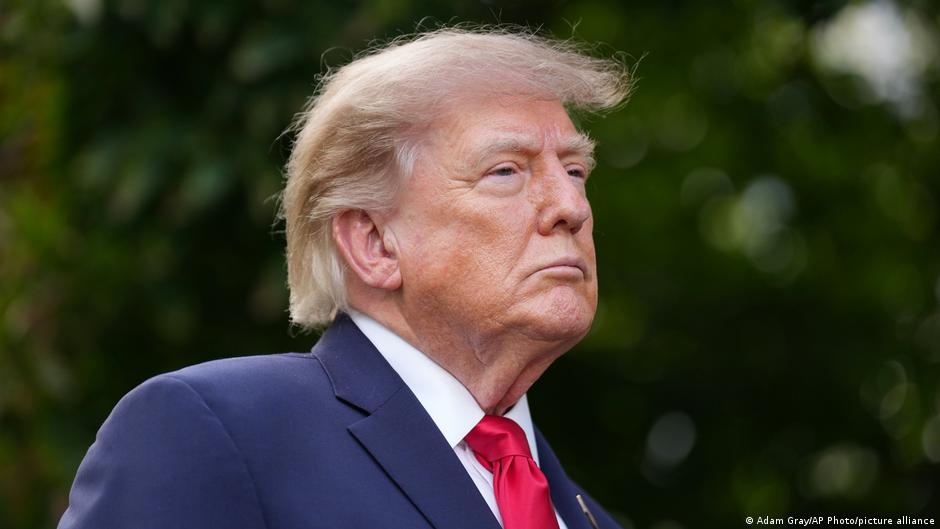
The timing compounds the uncertainty. The Houthi advance came only hours after U.S. President Donald Trump said he expected the war with Iran to end after the U.S. midterm elections in November 2026. Reuters wrote that if the Houthis maintain control over Bab el-Mandeb, the White House would have less room to maneuver in exiting the conflict.
For the venture ecosystem, prolonged geopolitical uncertainty tends to affect both capital allocation and exit planning. Investors often reassess exposure to sectors with heavy burn rates, cross-border manufacturing, energy sensitivity or dependence on fragile shipping lanes. Startups may respond by shortening planning horizons, diversifying suppliers, delaying international launches or raising larger buffers of working capital. None of those choices is cost-free, and each can slow innovation cycles.
The pressure could also create openings. Companies offering maritime intelligence, risk modeling, satellite monitoring, trade finance tools, energy optimization software and alternative logistics platforms may find stronger demand from enterprises seeking visibility into disrupted routes. In that sense, the crisis could accelerate investment in resilience technologies, even as it raises costs for startups exposed to global trade volatility.
The latest advance follows a broader escalation. In early September, the Houthis announced an expansion of military operations in the Middle East and struck four cities in southern Saudi Arabia. More than 70 people were injured in the large-scale shelling, and fires broke out at oil facilities. Saudi Arabia responded with more than 60 airstrikes across several provinces controlled by the Houthis.
Yemen has been engulfed in civil war since 2014, a conflict that has effectively divided the country among three opposing sides. The Iran-backed Houthis hold Yemen’s northern and western provinces, including the capital, Sanaa, where about 70% of the country’s population lives.
For technology companies and their investors, the capture of Mocha is another reminder that venture markets do not operate apart from geopolitics. Energy prices, shipping security and regional conflict can quickly move from the realm of foreign policy into startup boardrooms, affecting runway calculations, deal terms, acquisition timing and the sectors that attract fresh capital.