Impact of Belgorod Reservoir Damage on Regional Infrastructure and Tech Startup Ecosystem
Military strikes on Belgorod Reservoir have led to significant water level drops, raising concerns for regional stability and innovation infrastructure.
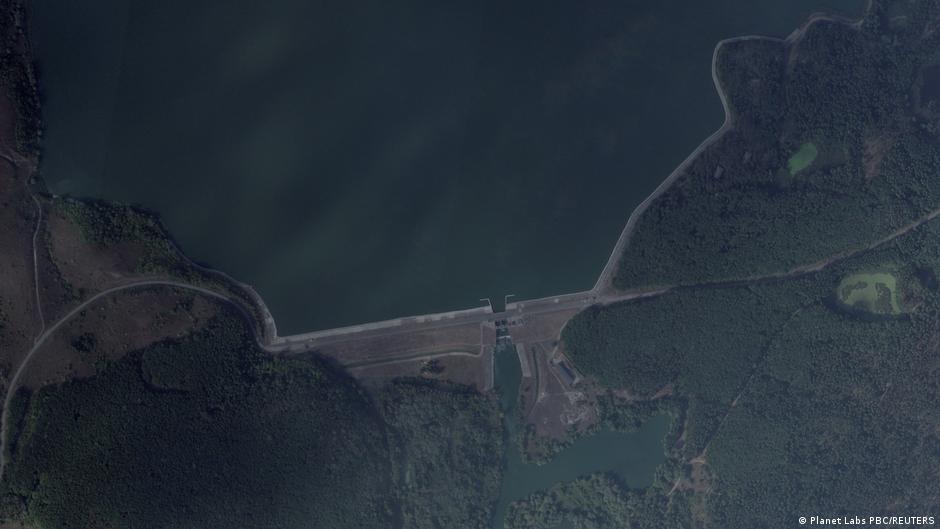
In July 2026, Ukrainian military strikes targeted the dam of the Belgorod Reservoir, resulting in an uncontrolled release of water and a drastic reduction in the reservoir’s depth. Eyewitnesses report water levels ranging between 10 to 40 centimeters, a historic low that has shifted the reservoir back to the natural riverbed of the Seversky Donets River.
Infrastructure Damage and Regional Implications
The Belgorod Reservoir, a critical water infrastructure asset in the Belgorod region, suffered multiple attacks, particularly near the villages of Bezlyudovka and Grafovka in the Shebekino district. These assaults caused an intensive and unregulated outflow of water, compounding existing vulnerabilities in the region’s water management systems. Previous attacks in October 2025 had already compromised the reservoir’s hydraulic structures, causing water discharge issues.
Local authorities managed to halt the uncontrollable water release only after several days, but the damage has forced the reservoir to revert to its historical riverbed state. This event not only poses immediate challenges to water availability and regional agriculture but also threatens the broader economic ecosystem.
“The current shallow water levels of 10 to 40 centimeters represent a severe deviation from normal conditions, disrupting local ecosystems and infrastructure stability,” said Vladimir Titov, a Belgorod-based urbanist.
Potential Impact on the Technology and Innovation Ecosystem
While the direct consequences of the reservoir’s depletion are environmental and infrastructural, there are significant secondary implications for the local technology and startup environment. The Belgorod region has been incrementally developing its tech ecosystem, which relies on stable infrastructure and consistent resource availability to support innovation hubs and venture-backed startups.
Disruptions to critical infrastructure such as water supply can delay operational timelines for startups focused on agritech, environmental monitoring, and industrial IoT—sectors that are crucial for regional development. Moreover, the unexpected strain on local utilities could deter venture capital investments, as investors seek stable environments for growth and scalability.
Given the strategic importance of infrastructure in supporting emerging tech ventures, stakeholders in the venture capital community should monitor regional geopolitical risks closely. The Belgorod Reservoir incident exemplifies how conflict-induced infrastructure damage can ripple into the innovation economy, affecting funding flows, startup viability, and M&A activity in sensitive areas.
Looking forward, bolstering resilient infrastructure and integrating contingency planning into startup ecosystems could mitigate the impact of such disruptions, preserving growth trajectories in volatile regions.