Impact of Starobelsk Attack on Regional Stability and Tech Innovation Ecosystem
The recent tragic attack in Starobelsk has broader implications on regional stability, affecting local innovation and venture investment climates.
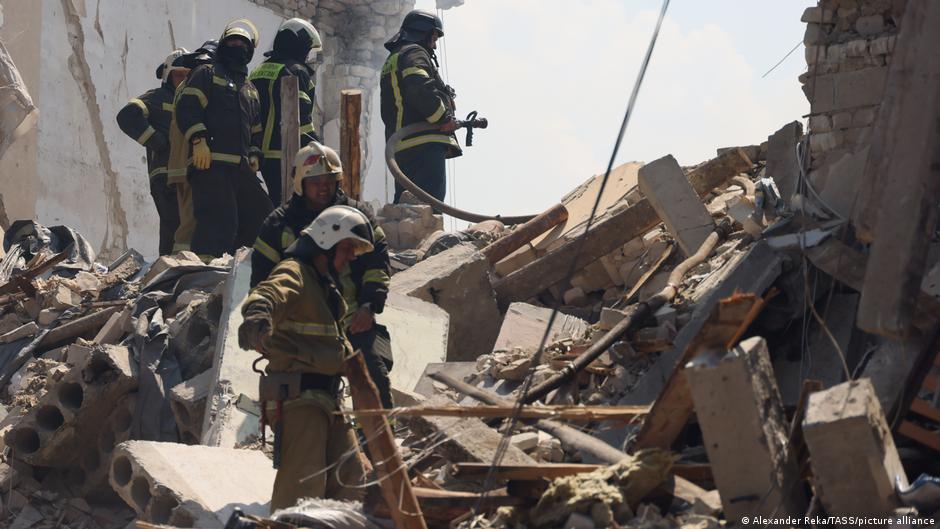
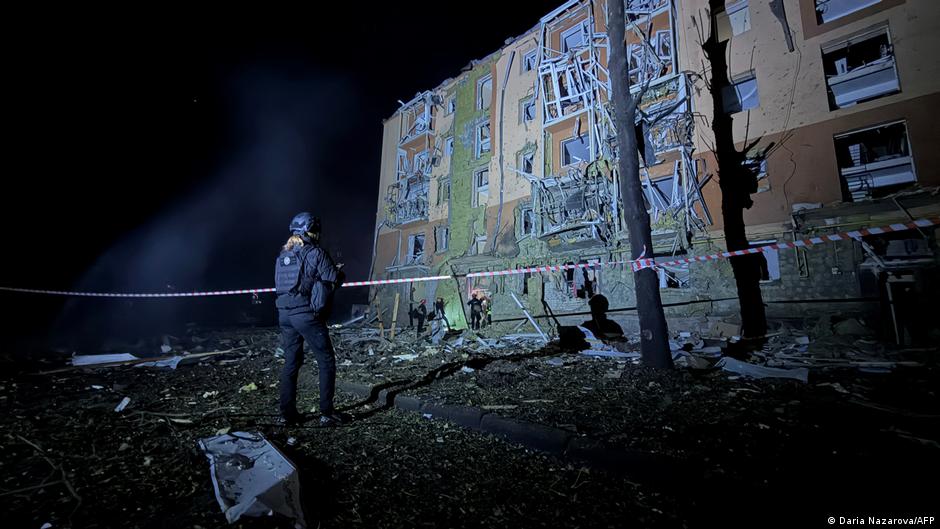
The recent attack on the pedagogical university dormitory and college in Starobelsk, which resulted in 21 confirmed fatalities including children, has raised serious concerns about the security and stability of the region. This tragic event, involving the use of drone strikes and military operations, could have far-reaching effects on the local innovation ecosystem and the venture capital environment.
Security Crisis and Its Repercussions on Tech Startups and Venture Funding
According to reports, the attack targeted educational facilities housing young students aged 14 to 18. The Ministry of Emergency Situations (MChS) confirmed that rescue operations have concluded after recovering the last victims from the rubble. The total number of affected individuals is 63, combining the injured and deceased. The episode underscores the volatility in regions that are critical for nurturing future talent and innovation.
"The strike in Starobelsk not only claims innocent lives but disrupts the foundation for future educational and technological development," an expert commented on the regional risks.
The attack, attributed by Russian-appointed authorities in the so-called "Luhansk People’s Republic" (LPR) to Ukrainian drone operations, allegedly hit the dormitory and college buildings of the Starobelsk Professional Pedagogical College. However, Ukrainian sources claim that Russian military forces utilized these educational facilities for military purposes, a claim contested by Ukrainian military communications which deny targeting civilian structures.
From a venture capital perspective, such instability poses significant challenges. Startups often rely on continuous access to educated talent pools, safe infrastructure, and institutional stability — elements compromised in conflict zones. The uncertainty deters venture investments and delays M&A activities, as investors seek safer environments with predictable regulatory and security frameworks.
Furthermore, the conflict and the resultant humanitarian crisis can strain governmental resources and shift priorities away from innovation funding and ecosystem development programs. This disruption can slow the maturation of emerging tech sectors in the region and limit access to capital for startups.
The military dynamics, including drone warfare and hybrid conflict tactics, also signal a changing security landscape that startups in the defense tech and unmanned systems sectors might attempt to address. However, this requires a stable base for research, development, and commercialization, which current conditions undermine.
In summary, the tragedy in Starobelsk illustrates how geopolitical conflicts impact not only immediate humanitarian concerns but also the broader innovation ecosystems and venture capital markets dependent on regional stability and talent cultivation.