Iran Implements New Ship Information Declaration for Strait of Hormuz Passage Affecting Maritime Tech and Trade
Iran mandates detailed vessel data submissions for Strait of Hormuz transit, signaling regulatory shifts with potential impacts on maritime startups and VC-backed logistic technologies.
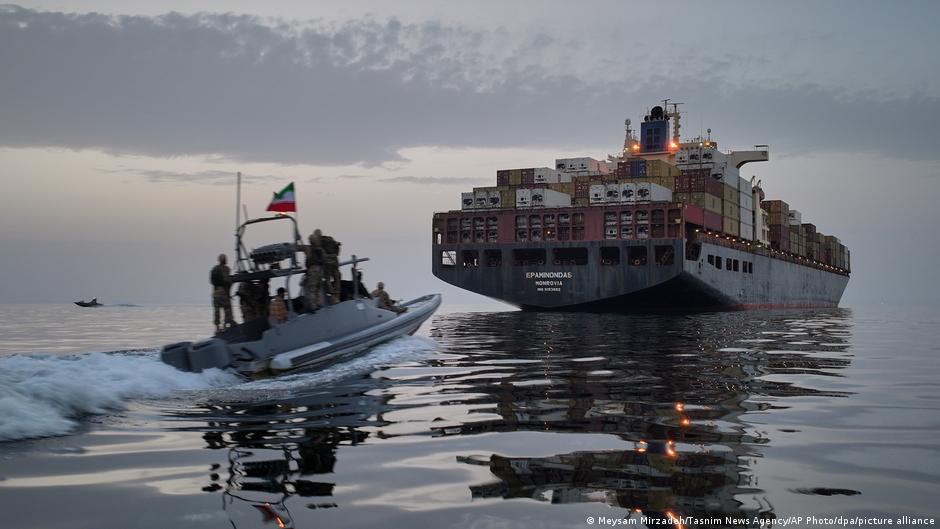
Iran has introduced a new regulatory framework requiring shipping companies to submit a detailed "Vessel Information Declaration" before their tankers can transit the strategic Strait of Hormuz. This move is expected to have significant implications for maritime logistics, startups developing tracking and compliance technologies, and global venture capital investments in navigation and security solutions.
New Compliance Measures and Their Implications for Maritime Tech
The declaration, compiled by the Iranian Persian Gulf Strait Administration (PGSA) and instituted on May 5, includes over 40 questions. Shipping companies must provide comprehensive data including the vessel's name and identification number, previous names, origin and destination countries, citizenship of owners, operators, and crew, as well as detailed cargo information.
These data must be electronically submitted to the PGSA prior to entering the Strait, with the shipowner bearing full responsibility for accuracy and completeness. This extensive data requirement introduces new compliance challenges and opportunities for technology providers specializing in maritime data management, electronic documentation, and secure information transfer.
"The responsibility for providing false or incomplete information rests solely with the applicant, who will also bear all resulting consequences," the PGSA stated.
While the declaration does not explicitly mention transit fees, previous Iranian statements have indicated intentions to charge vessels, potentially up to $2 million per ship, as a revenue source to aid national reconstruction efforts.
However, a critical nuance affecting US-based shipping and technology companies is the prohibition on payments to Iran or its Islamic Revolutionary Guard Corps by US persons or entities, including financial institutions and controlled foreign organizations. This introduces complexities in compliance and payment processing infrastructure for startups operating in this space.
Geopolitical Context Affecting Innovation and Investment
The new regulations emerge amid heightened US-Iran tensions. On May 4, the United States launched "Operation Project Freedom," deploying military escort for commercial vessels to secure transit through the Strait. US President Donald Trump warned Iran of retaliatory measures should American ships be attacked, emphasizing the operation's defensive nature.
On May 6, Trump announced a temporary pause in the operation to explore a potential agreement with Iran, prompted by appeals from Pakistan and other nations. This diplomatic development adds an element of uncertainty to the region, influencing risk assessments for investors and startups involved in maritime security and logistics.
For venture capitalists and startup founders, these developments underscore the strategic importance of innovation in maritime compliance, secure data exchange, and navigation safety technologies. Companies that can navigate the regulatory complexities and geopolitical risks stand to gain in a market where operational transparency and security are increasingly demanded.
As Iran tightens control over the Strait of Hormuz, startups in the maritime tech ecosystem must adapt quickly to evolving data requirements and sanction regimes, while investors should monitor the intersection of geopolitical risk and technological opportunity in this critical global chokepoint.