Kosovo Premier’s Party Wins Parliamentary Election, Faces Coalition Challenge
Albin Kurti’s Vetëvendosje party secures 43% in snap elections, highlighting ongoing political uncertainties impacting Kosovo’s reform agenda.
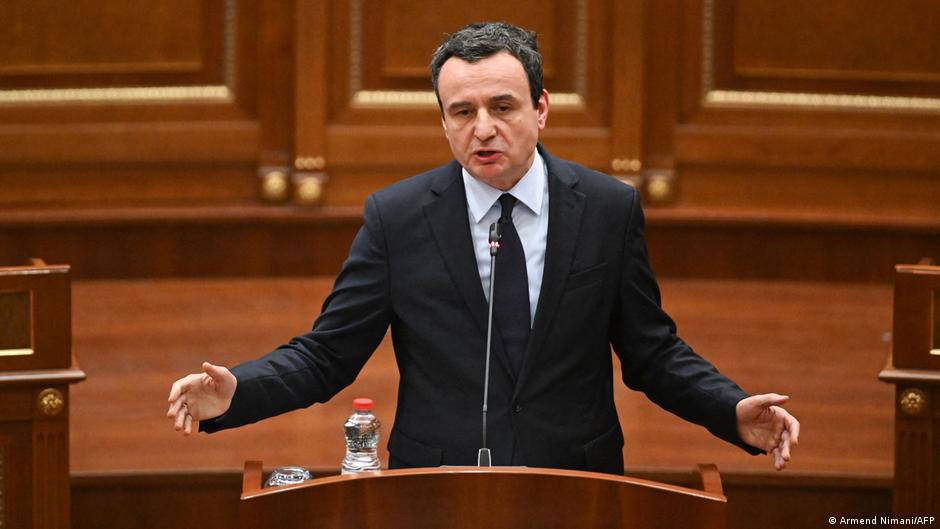
The ruling Vetëvendosje party in Kosovo, led by Prime Minister Albin Kurti, has won the recent snap parliamentary elections with 43% of the vote, according to official results covering 99.4% of ballots. Despite this clear victory, Vetëvendosje will need to secure coalition partners to form a stable government amid ongoing political fragmentation.
The main opposition, the Democratic Party of Kosovo, garnered 21% of votes, followed by the Democratic League of Kosovo with 18%, and the Alliance for the Future of Kosovo at around 7%. Voter turnout was under 37%, reflecting a degree of electoral apathy in the Balkan nation.
Political Instability and Implications for Kosovo’s Reform Path
This election marks the third parliamentary vote in Kosovo within a span of just 18 months, underscoring persistent political instability. After Vetëvendosje’s previous strong showing in December 2025 with 51.1%, the inability of parties to agree on a presidential candidate led to the dissolution of parliament in April, triggering the snap vote.
“To overcome the political crisis and form a government, Vetëvendosje must now negotiate coalition partnerships,” political analysts note.
Prime Minister Kurti’s administration pursues a pro-Western agenda aiming for Kosovo’s integration into the European Union. The European Commission has emphasized that establishing resilient state institutions remains a crucial prerequisite for advancing necessary reforms aligned with EU accession requirements.
However, Kurti’s hardline stance toward the Serbian minority concentrated in northern Kosovo has heightened tensions. His government seeks to extend state authority over this region, a move that complicates internal cohesion and external relations.
Impact on the Tech and Innovation Ecosystem
Political continuity and institutional stability are essential for Kosovo’s budding technology sector and startup ecosystem, which depend heavily on foreign investment and regulatory certainty. Uncertainty caused by frequent elections and coalition negotiations could delay reforms aimed at creating a more attractive environment for venture capital and innovation.
Efforts to align Kosovo’s legal framework and business climate with EU standards are critical for encouraging venture capital inflow, fostering startup growth, and facilitating mergers and acquisitions within the tech industry. A stable government would signal to international investors that Kosovo is committed to sustained economic development and integration.
As Kosovo navigates these political challenges, the outcomes bear significant implications for its ability to develop a competitive, innovation-driven economy in the Balkans.