Latvian Defense Minister Resigns Following Drone Airspace Breach Amid Regional Security Tensions
Latvian Defense Minister Andris Spruds steps down after drones, allegedly Ukrainian, violated Latvian airspace, raising concerns over military oversight and regional stability.
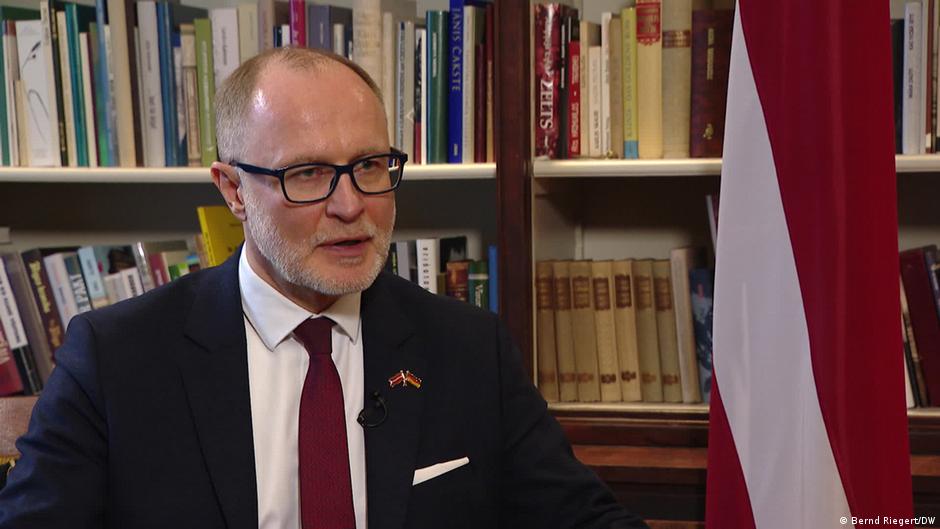
Latvia's Defense Minister Andris Spruds has resigned in the wake of an incident involving two unmanned aerial vehicles (UAVs) that breached the country's airspace. Authorities believe the drones were launched from Ukraine targeting locations in Russia but inadvertently entered Latvian territory, sparking a political and security crisis.
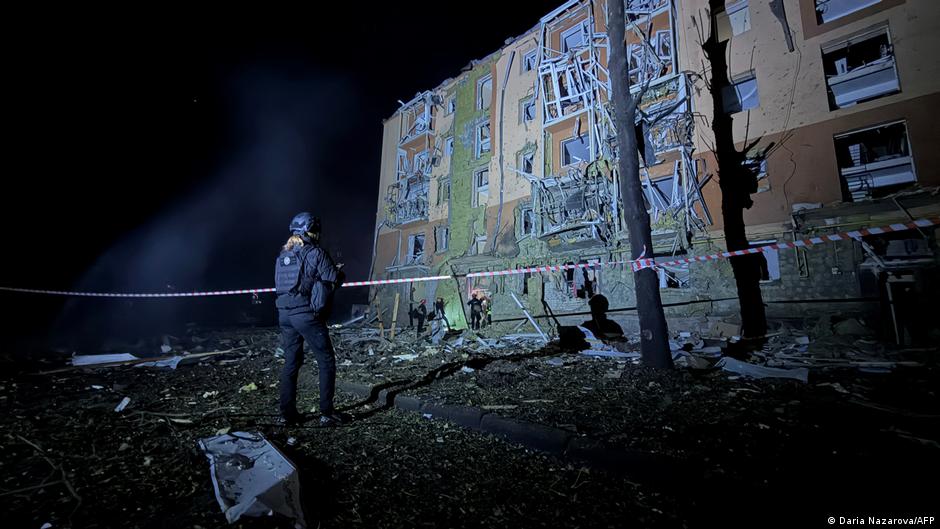
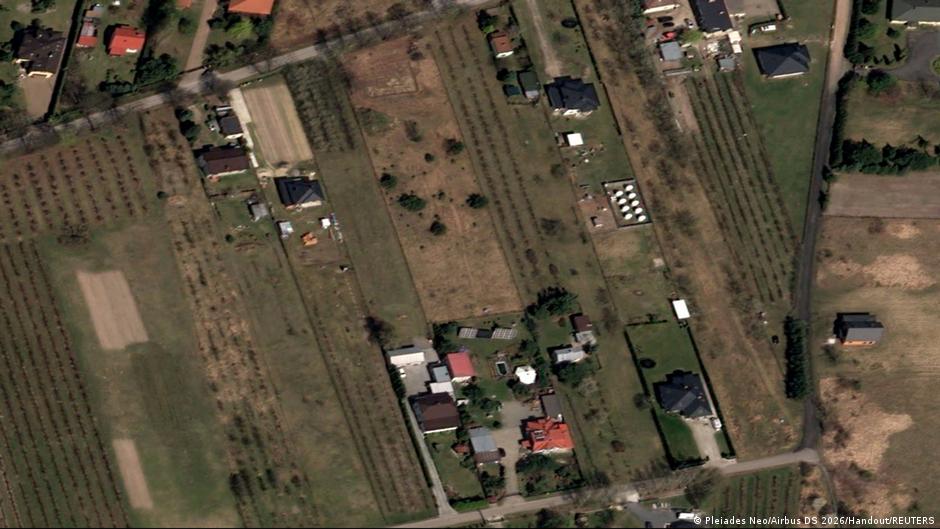
The incident, which occurred on the night of May 7, saw two drones cross into Latvian airspace from the Russian border. One drone crashed on the grounds of a refinery in the city of Rezekne, raising alarms about the potential risks to civilian infrastructure and national security.
Implications for Defense Leadership and Regional Security
Following the breach, Prime Minister Evika Silina publicly expressed a loss of confidence in Minister Spruds, demanding his resignation. She criticized the defense leadership for failing to uphold promises of securing Latvia's skies, highlighting the incident as symptomatic of broader security challenges.
"I have decided to step down to protect the Latvian army from being drawn into political campaigns," Spruds stated, emphasizing that foreign drones must not threaten civilian safety.
Minister Spruds acknowledged that the drones were likely Ukrainian and launched as part of Ukraine's ongoing military actions against Russian targets. Ukraine, now in its fifth year of conflict defending against a full-scale Russian invasion, has increasingly utilized UAV strikes against Russian military and oil-and-gas infrastructure, occasionally resulting in cross-border airspace violations into neighboring countries like Finland and the Baltic states.
The Latvian defense chief stressed Ukraine's legitimate right to self-defense, while also underscoring the importance of avoiding unintended consequences for neighboring NATO members. Investigations into the drone incursion remain ongoing.
The episode reflects growing concerns within the Baltic region over the spillover effects of the Ukraine-Russia conflict. Estonia's Defense Minister Hanno Pevkur has called on Ukraine to improve control mechanisms over its drone operations to prevent further airspace violations.
Impact on the Baltic Tech and Security Ecosystem
Beyond the immediate political fallout, the incident has implications for Latvia's and the broader Baltic region's technology and defense sectors. The growing prominence of drone warfare underscores the need for advanced counter-UAV systems, surveillance technologies, and cybersecurity innovations. This creates potential opportunities for startups and venture capital investments focused on defense tech, autonomous systems, and AI-driven security solutions.
Latvia's defense setback may accelerate government and private sector collaboration to bolster airspace security and innovate in unmanned systems detection and mitigation. Enhanced investment and innovation could position Baltic startups as key players in the evolving European defense technology ecosystem.