Lukoil Refinery Halves Output After Ukrainian Drone Strike, Impacting Russia’s Oil Sector
Ukraine’s drone attacks have forced major Russian refineries like Lukoil’s NORSI plant to reduce operations, affecting fuel production and industry stability.
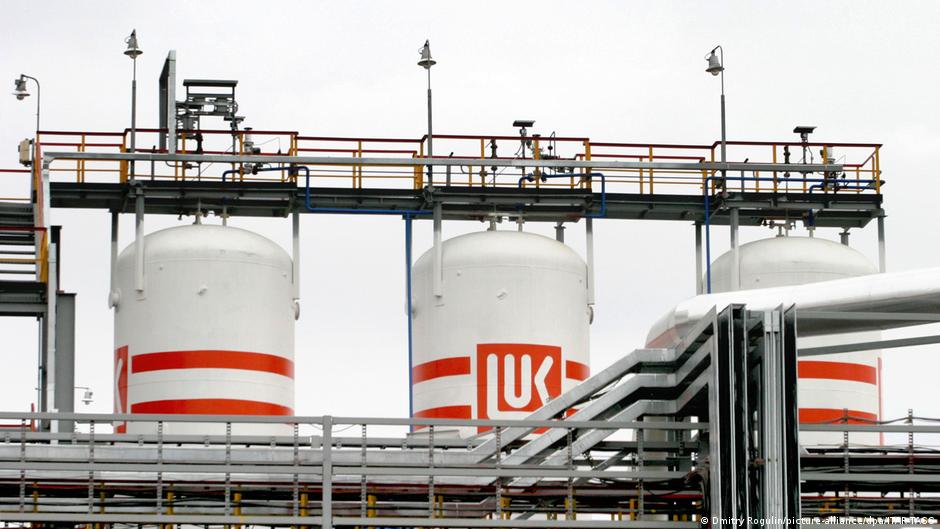
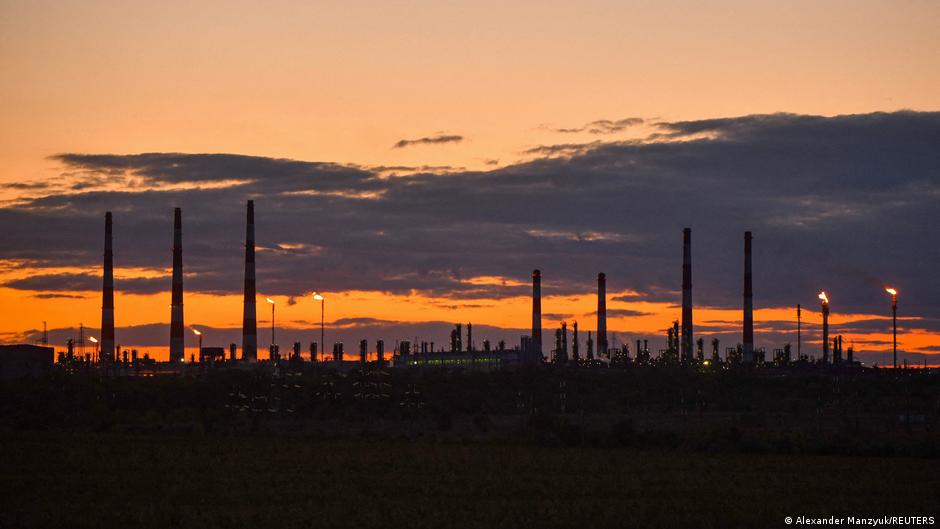
One of Russia's largest oil refining facilities, the Lukoil-operated Nizhny Novgorod Oil Refinery (NORSI), significantly reduced its processing capacity following a drone attack attributed to Ukrainian forces. The incident occurred during the night of May 20, leading to the shutdown of the plant's primary crude oil distillation unit, which accounts for over half of the refinery's total capacity.
Strategic Impact on Refinery Operations and Fuel Supply
The affected distillation unit, known as AVT-6, handles approximately 25,700 tons of crude oil daily, representing about 53% of NORSI’s processing capabilities. Prior to the attack, NORSI was one of Russia’s top five refineries by volume, with an annual throughput capacity of 16 million tons of crude oil — roughly 320,000 barrels per day. The refinery is also the second-largest gasoline producer in the country.
This disruption marks the second significant operational halt for NORSI in less than two months; in early April, the refinery previously sustained damage from a similar drone strike, prompting a temporary suspension of activities.
Reports indicate that the drone strikes, targeting refineries in central Russia, have compelled multiple major facilities to either curtail or temporarily halt fuel production. Collectively, these affected refineries represent a combined processing capacity exceeding 83 million tons per year (approximately 238,000 tons per day), which amounts to about 25% of Russia's total refining capacity. Furthermore, this equates to roughly 30% of the nation’s gasoline output and 25% of its diesel fuel production.
“Nearly a quarter of Russia's refining capacity has been put at risk, underscoring vulnerabilities in the country's energy infrastructure amid ongoing conflict,” industry sources noted.
Russian authorities have so far declined to comment, maintaining silence on the operational status of these strategic assets.
Implications for Tech Startups and Venture Capital in the Energy Sector
The attacks on Russia's refining infrastructure not only disrupt fuel supplies but also highlight potential opportunities and challenges for innovation within the energy sector. With traditional infrastructure facing increasing risks from geopolitical conflict, there is a growing impetus for startups developing technologies in refinery automation, security, and alternative fuel production to gain traction.
Venture capital interest may intensify in companies focused on resilient and decentralized energy solutions, drone defense technologies, and advanced monitoring systems designed to mitigate operational risks. The uncertain environment is accelerating the need for technological innovation to ensure energy stability and supply chain security.
Moreover, mergers and acquisitions may be influenced as larger firms seek to consolidate technology assets that can safeguard refinery operations or diversify energy portfolios toward renewables and digitized platforms.
Overall, the evolving situation underscores a complex intersection of geopolitics and energy innovation, where tech startups and investors must navigate heightened risks alongside emerging opportunities for transformation in the energy sector.