Macron and Trump Push Ukraine Infrastructure Shield as War Risks Deepen
France and the United States are seeking a moratorium on strikes against Ukrainian energy and civilian infrastructure while backing stronger air defenses.
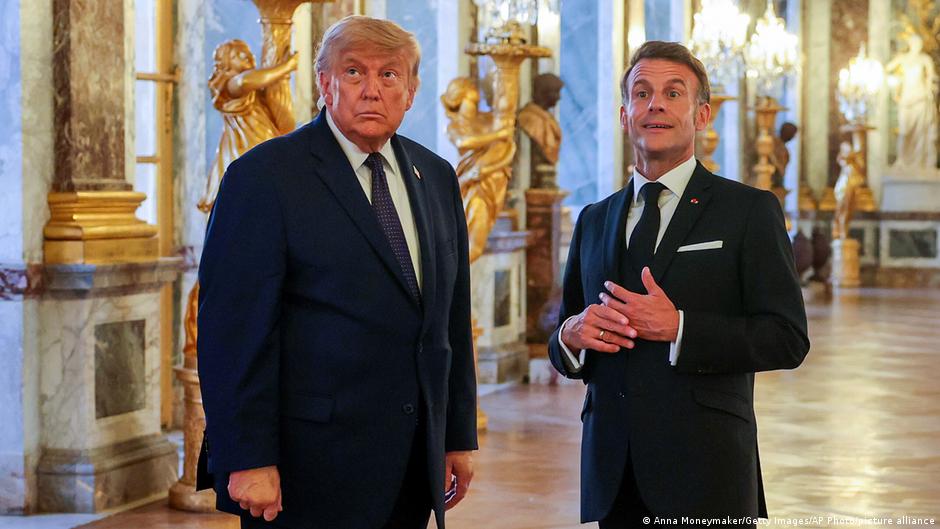
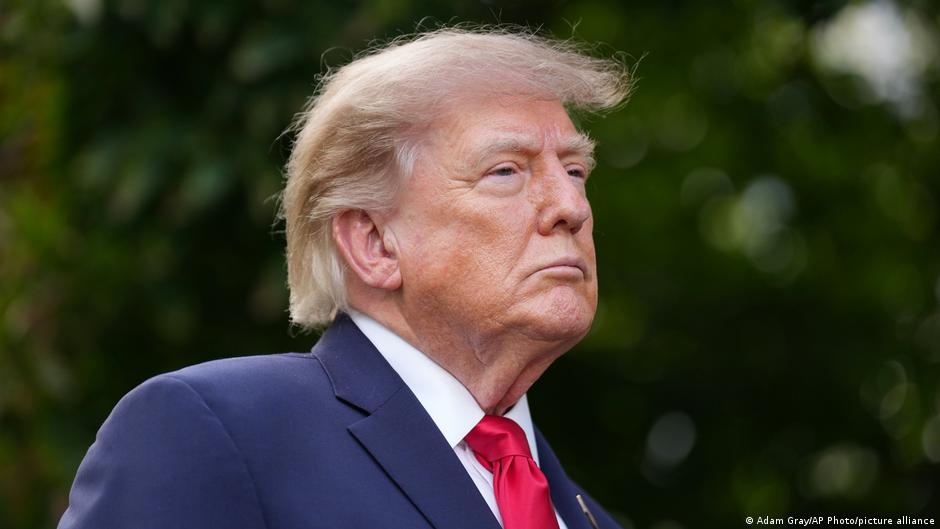
French President Emmanuel Macron said he discussed with U.S. President Donald Trump a joint effort to secure a moratorium on strikes against Ukraine’s energy and civilian infrastructure, a diplomatic push with direct implications for the country’s technology sector, investment climate and wider innovation economy.
Macron wrote on X on Monday, September 21, that the two leaders had focused in New York on initiatives aimed at limiting attacks on energy facilities during Russia’s war against Ukraine. He said France and the United States would coordinate their efforts to protect critical infrastructure and move toward serious peace talks between Russia and Ukraine.
“We will also combine our efforts to achieve a moratorium on strikes against Ukraine’s energy infrastructure and civilian infrastructure. Civilians must be protected, and we must begin serious negotiations as soon as possible on the terms of peace between Russia and Ukraine,” Macron said.
For Ukraine’s startup ecosystem, the issue is not only humanitarian or military. Energy stability, reliable civilian infrastructure and air defense coverage have become core operating conditions for founders, software teams, defense-tech companies, cloud providers, logistics platforms and venture-backed businesses trying to scale during wartime. Repeated attacks on electricity and civilian systems can disrupt product development, data operations, manufacturing, workforce safety and investor confidence.
Speaking to reporters after meeting Trump, Macron said they agreed on the need to help Ukraine strengthen its defense capabilities. According to the French president, that includes supplying Kyiv with additional interceptor missiles to defend against Russian air attacks.
Infrastructure Security as an Investment Condition
The push for a moratorium on strikes comes as Ukraine continues to seek resilience across sectors that underpin its economy. For venture investors and strategic acquirers, energy security and predictable infrastructure are among the practical questions behind any long-term exposure to the country. Even when engineering teams can work remotely and founders can move parts of their operations abroad, physical infrastructure remains essential for data centers, defense production, hardware testing, logistics networks and employee safety.
Macron’s emphasis on energy and civilian infrastructure therefore intersects with the operating reality of Ukraine’s innovation sector. The country’s wartime technology base has drawn international attention for its software talent, digital public services and fast-moving defense applications. But continued Russian air attacks force companies to build redundancy into everything from power supply to office access, cloud architecture and employee relocation plans.
Additional interceptor missiles, if supplied, would be part of a broader effort to reduce that volatility. For startups, stronger air defense is not a substitute for peace, but it can improve the probability that teams keep building, customers remain served and investors maintain engagement. For venture capital firms assessing Ukraine-related opportunities, the difference between sporadic disruption and persistent infrastructure failure can shape due diligence, valuation and the timing of funding rounds.
The diplomatic activity in New York is unfolding alongside a dense schedule of bilateral meetings. A DW correspondent reported that on the evening of September 21, Macron also began a bilateral meeting in New York with Ukrainian President Volodymyr Zelensky.
Before that, Zelensky met with U.S. lawmakers and thanked them for passing the late Senator Lindsey Graham’s law on “hellish sanctions” against Russia. “I want the sanctions to start working,” the Ukrainian leader said.
Sanctions, Capital Flows and Strategic Risk
Zelensky’s comments on sanctions matter for investors because sanctions regimes influence market access, cross-border transactions and strategic risk across Europe’s technology landscape. Measures targeting Russia can affect supply chains, compliance requirements, exit planning and the risk calculations of companies operating near the conflict zone. For Ukraine, effective sanctions are also framed as part of the pressure needed to reduce Russia’s capacity to sustain the war.
The combination of air defense, infrastructure protection and sanctions enforcement forms a broader policy environment in which Ukraine’s technology companies operate. Venture-backed firms depend on international customers, talent mobility, payment rails and trust from global partners. Any shift that reduces the scale of attacks on civilian systems could help stabilize the conditions under which startups raise capital and pursue commercial partnerships.
The diplomatic calendar adds urgency. From September 22 to 26, New York is hosting the 81st session of the United Nations General Assembly, where nearly 130 world leaders are expected to gather. Zelensky is also expected to meet Trump on September 22.
For Ukraine’s founders and investors, the outcome of these meetings will be watched less as a set of formal communiques than as a signal of whether Western governments can align around concrete protection for the infrastructure that keeps companies and cities functioning. The proposed moratorium on attacks, the discussion of additional interceptor missiles and the push for sanctions to take effect all point to the same underlying issue: Ukraine’s innovation economy cannot be separated from the security of its power grid, civilian systems and population.
Macron’s message placed civilian protection and negotiations on peace terms at the center of the discussion. For the venture and startup community, that framing highlights a reality that has defined Ukraine’s technology sector since the full-scale war began: resilience has become an investable strength, but it still depends on physical security, diplomatic backing and the ability of global partners to translate political commitments into operational protection.