Massive Russian Attacks on Kyiv Raise Concerns for Ukraine’s Tech and Startup Ecosystem
Rocket and drone strikes on Kyiv cause casualties and infrastructure damage, posing new challenges for Ukraine’s innovation and venture capital sectors.
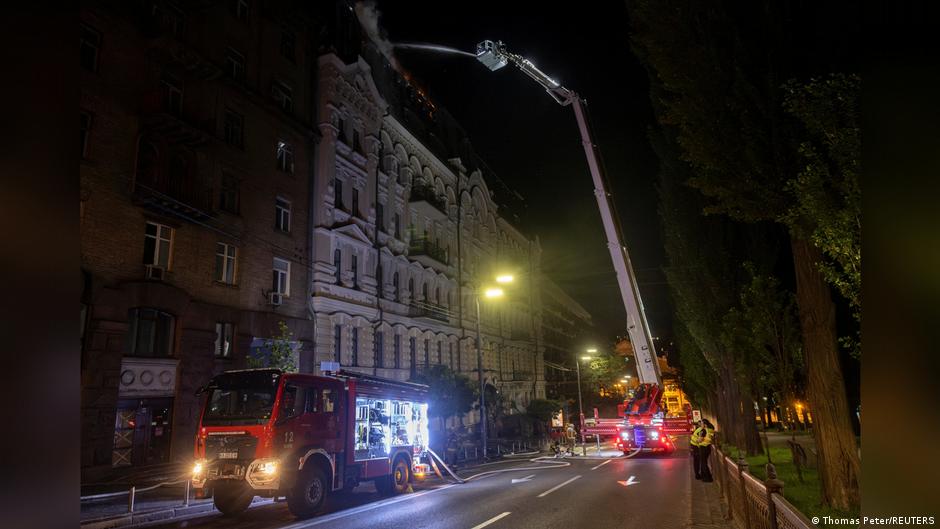
On the night of July 1, Kyiv experienced a series of massive attacks involving rockets and drones, resulting in five fatalities and 34 injuries, according to local government officials. The strikes caused significant damage to residential buildings, critical infrastructure including an emergency medical substation, and commercial properties such as hotels and markets.
Impact on Kyiv’s Infrastructure and Implications for Tech Ecosystem
The assault on Kyiv’s infrastructure not only presents immediate human and material losses but also poses challenges for the city’s burgeoning technology and startup ecosystem. Vitaliy Klychko, Kyiv’s mayor, and Timur Tkachenko, head of the city’s military administration, reported fires in multiple districts and damage to key facilities, including emergency medical services that are essential to community health and the business environment.
"The multi-directional drone attacks and subsequent fires disrupted critical services and trapped residents in damaged apartment buildings," said local officials.
For the technology sector, the attacks raise concerns about business continuity and the safety of innovation hubs located in the capital. Startups that rely on stable infrastructure, including power and internet connectivity, face risks of operational disruption. Moreover, venture capital (VC) investors may reassess risk profiles amid escalating security concerns, potentially affecting funding flows to Ukrainian startups.
Security Risks and Venture Capital Outlook
President Volodymyr Zelensky, while in Dublin for the EU Council presidency ceremony, warned of a possible "massive Russian strike" on Ukraine based on intelligence data. This heightened threat perception is likely to influence strategic decisions within Ukraine’s venture capital and startup communities.
Kyiv, along with Dnipro and surrounding oblasts, remains under particular threat due to active reconnaissance reported by Russian forces. This uncertainty can impact startup operations across sectors such as software development, fintech, and IT services that are integral to Ukraine’s growing innovation ecosystem.
Industry insiders note that while the resilience of Ukraine’s tech sector has been remarkable, the continuation of such attacks could slow down investment inflows and delay mergers and acquisitions (M&A) activity crucial for scaling startups. Additionally, startups involved in defense tech and cybersecurity might see increased interest as demand for protective solutions grows amid conflict.
Community Response and Adaptation
In response to the attacks, many Kyiv residents chose to spend nights in metro stations to avoid harm, indicating elevated risk perception among the local population. This adaptive behavior underscores the social impact of the conflict but also highlights the importance of maintaining operational flexibility for startups and investors alike.
Looking ahead, the innovation ecosystem in Ukraine might see shifts towards more decentralized and resilient business models, prioritizing remote work and distributed infrastructure to mitigate risks from physical attacks.
As the conflict evolves, the intersection of security challenges and the need to sustain and grow the tech startup ecosystem will remain a critical issue for stakeholders including entrepreneurs, investors, and policymakers.