Merz Says Unconditional Transatlantic Era Is Over, Raising Stakes for Startups
Germany’s chancellor framed worsening ties with Washington as a strategic opening for Berlin to invest in security, growth and reform.
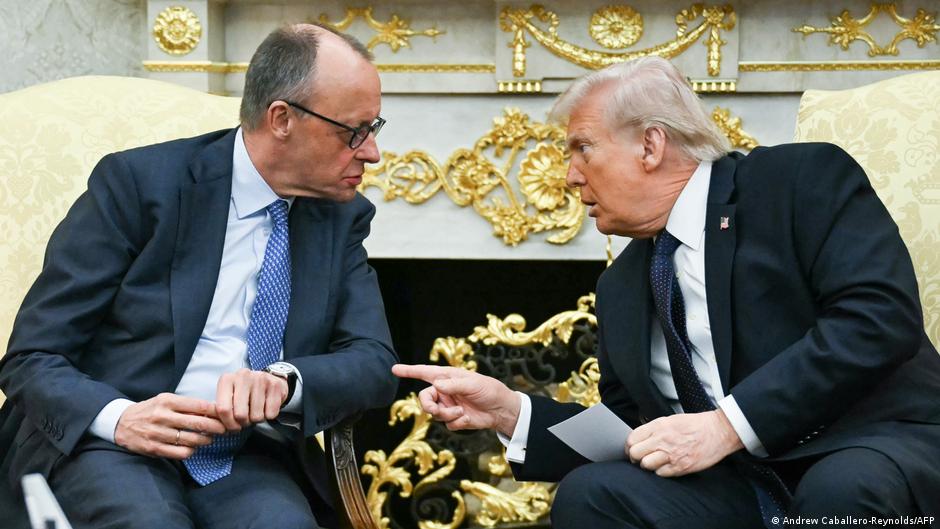
German Chancellor Friedrich Merz has signaled that Berlin can no longer assume the old model of automatic alignment with Washington, a shift that could have consequences far beyond diplomacy and defense. For Germany’s startup and venture capital ecosystem, the message is clear: geopolitical volatility is becoming a core factor in capital allocation, industrial strategy and cross-border expansion.
Speaking at a Christian Democratic Union campaign event in Berlin on Thursday, September 17, Merz said the era of “unconditional transatlantic friendship” is likely to remain in the past for a long time. According to dpa, he described a change across the Atlantic in political approaches and in the assessment of the transatlantic alliance that Europe may once have found difficult to imagine.
“We are seeing across the Atlantic a change in political approaches and in the assessment of the transatlantic alliance that we perhaps could not have imagined,” Merz said, according to dpa.
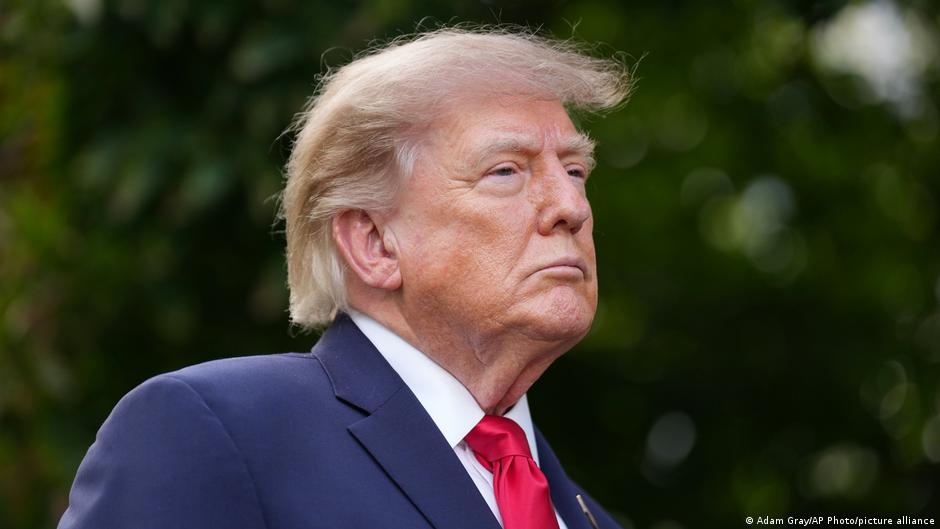
The remarks came against the backdrop of sharply deteriorating relations between Berlin and Washington under U.S. President Donald Trump. The tensions have been driven by disagreements over the U.S. and Israeli war against Iran, as well as trade wars launched by the White House. At the beginning of Trump’s second presidential term, he was favorably disposed toward Merz, but relations worsened after Merz refused to support the United States in the war with Iran. Trump subsequently began criticizing German authorities, including by attributing false statements to Merz.
For founders and investors, the deterioration matters because Germany’s innovation economy is deeply exposed to U.S. capital, technology supply chains and exit markets. A weaker political relationship does not automatically sever those links, but it increases uncertainty around trade barriers, defense procurement priorities, regulatory coordination and transatlantic M&A. Startups operating in dual-use technology, logistics, energy security, cybersecurity and advanced manufacturing may find themselves increasingly shaped by political decisions once treated as background noise.
Strategic Autonomy Becomes an Investment Theme
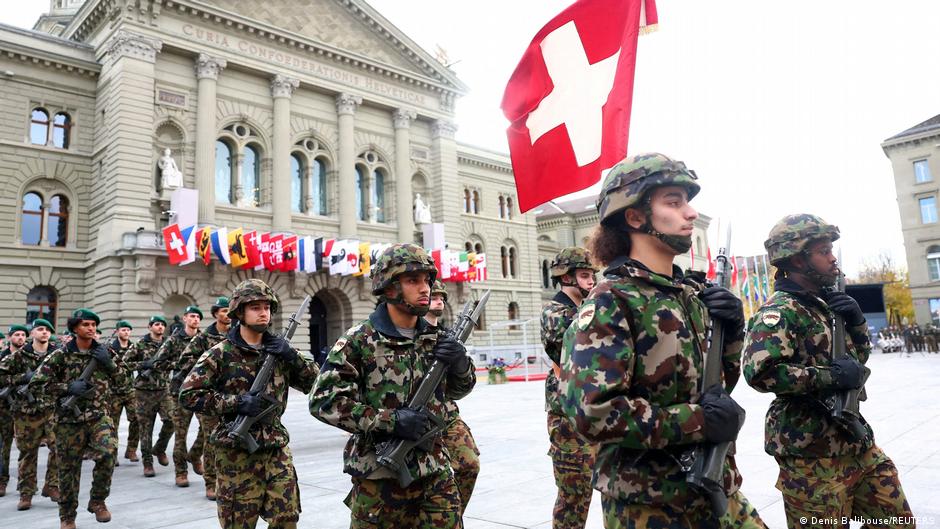
Merz also framed the tension between Europe, including Germany, and the United States as a moment of opportunity that Germany should not miss. He said the country must use the moment to take more responsibility for its own security and development, pointing in particular to the federal government’s significant increase in defense spending.
That emphasis is likely to reinforce a broader European investment narrative around strategic autonomy. In venture terms, higher defense and security spending can redirect demand toward domestic suppliers and emerging technology companies, especially those working on resilient infrastructure, communications, space, AI-enabled security systems, maritime monitoring and supply-chain intelligence. While Merz did not mention startups or venture funding directly, his policy framing gives investors a clearer signal that security-linked innovation will remain politically supported.
The chancellor’s comments also arrive as Germany seeks to escape several years of economic stagnation. Merz said forecasts point to economic growth of around 1.3 percent in Germany by the end of 2026. “We have come out of this valley of a shrinking or stagnating economy,” he said, while adding that the country still needs reforms.
For the venture market, even modest growth would be important after a difficult period for European technology valuations and fundraising. A recovery in Germany’s broader economy could improve corporate demand, strengthen later-stage financing conditions and make strategic acquisitions more plausible. But Merz’s warning that reforms remain necessary is equally relevant: founders continue to watch labor rules, tax policy, public procurement and capital-market depth as factors that determine whether German startups scale domestically or seek faster paths in the United States and other markets.
The political strains intensified earlier in September when Trump congratulated the far-right Alternative for Germany on its victory in state elections in Saxony-Anhalt. That was another gesture of support from Washington toward German right-wing populists, which had previously drawn criticism in Berlin. The episode added a domestic political dimension to the transatlantic dispute, creating additional uncertainty for companies trying to assess regulatory and market stability in Europe’s largest economy.
Later on the same day as Merz’s Berlin speech, German government spokesman Stefan Kornelius said the chancellor and Trump had held a phone call that Berlin had previously postponed. According to Kornelius, Merz discussed with Trump the “next steps to end” Russia’s war against Ukraine, welcomed the U.S. Congress’s adoption of a sanctions package against Russia initiated by Senator Lindsey Graham, and addressed shipping problems in the Strait of Hormuz and the Red Sea caused by the war in Iran.
Those topics intersect directly with startup and investor concerns. The war against Ukraine has accelerated European demand for defense technology and resilience tools. Sanctions policy affects compliance software, fintech infrastructure and cross-border commercial risk. Disruptions in the Strait of Hormuz and Red Sea can affect logistics startups, supply-chain platforms and industrial companies dependent on predictable shipping lanes.
The call had originally been planned to mark the anniversary of the September 11, 2001, terrorist attacks, but Berlin postponed it indefinitely a day earlier without giving reasons. The postponement followed Trump’s praise for Alternative for Germany after its strong victory in the Saxony-Anhalt state parliament election, which irritated Berlin.
Metin Hakverdi, the German government’s coordinator for transatlantic cooperation, responded by emphasizing German political sovereignty. “Germans themselves are capable of solving the migration problem, as well as deciding whom we elect,” he said. “We do not need advice from the White House on this.”
For Germany’s innovation ecosystem, Merz’s message is not simply about a diplomatic cooling-off. It suggests a policy environment in which security, sovereignty and industrial resilience will move closer to the center of economic planning. That could create new funding channels and acquisition opportunities for some startups, while complicating expansion and exit strategies for others that have long treated the U.S. market as the natural next step.