NATO Confirms Continued US Air Defense Missile Deliveries to Ukraine Under PURL Program
NATO reassures that the US-led PURL initiative is steadily supplying Ukraine with critical air defense missiles, supporting sustained innovation and resilience amid conflict.
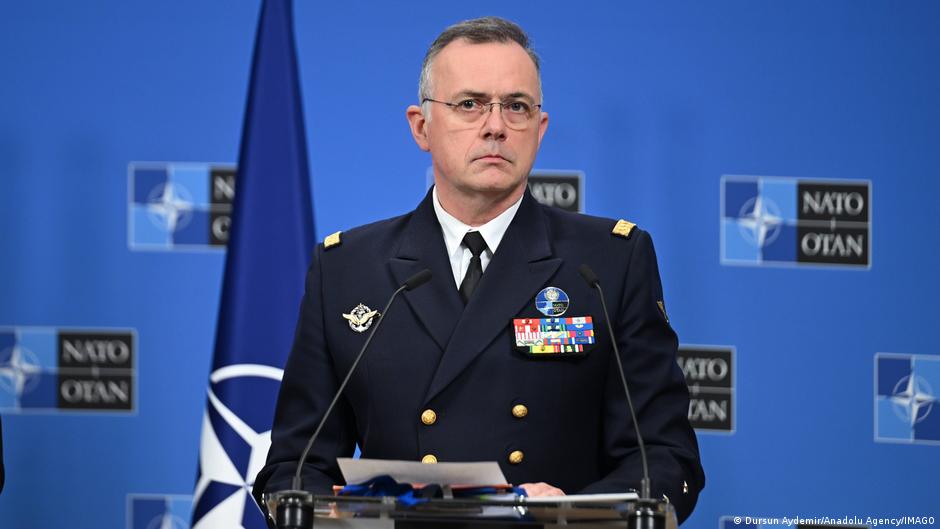
Amid ongoing conflict in Ukraine, NATO has confirmed the uninterrupted delivery of American air defense missiles to Kyiv through the Priority Ukraine Requirements List (PURL) program. General Christopher G. Cavoli, NATO's Supreme Allied Commander Europe, emphasized that all weapons funded by allied countries under PURL continue to be supplied to Ukrainian forces.
Impact on Ukraine’s Defense Capabilities and Innovation Ecosystem
Speaking at a press conference following a NATO Military Committee meeting in Brussels on May 19, General Cavoli reaffirmed the alliance’s commitment to equipping Ukraine with critical military assets that cannot be substituted by European alternatives. The PURL program, jointly funded by participating NATO members and the United States, facilitates rapid procurement and deployment of advanced American-made weapons systems, including interceptor missiles essential for Ukraine’s air defense.
“All that allies have paid for is being delivered, including interceptor missiles for air defense systems, which Ukrainian forces urgently need,” Cavoli stated.
Despite the conflict entering its fifth year, the Ukrainian armed forces continue to demonstrate remarkable resilience and adaptability, particularly in countering Russian and Iranian drones and missile threats. This ongoing innovation in battlefield tactics and technology exchange contributes to a growing defense tech ecosystem in the region.
General Cavoli highlighted the importance of predictable and sustained support to maintain Ukraine’s defense capabilities, underscoring that the PURL program enables allied countries to pool resources in alignment with Ukraine’s prioritized equipment needs.
Broader Strategic and Security Implications for European Defense
Western investments in Ukraine’s defense infrastructure not only safeguard Ukrainian civilians and critical infrastructure but also reinforce the overall security architecture of Europe. Cavoli noted that despite the intent of the US administration to reduce its troop presence in Europe, this decision does not undermine NATO’s regional defense plans.
European NATO members, including the Baltic states and Poland, have increased their ground combat capabilities. The Canadian-led multinational battalion in Latvia and the expanding German brigade in Lithuania are examples of strengthened European military readiness. These efforts allow the United States to reallocate resources towards other global priorities while maintaining a robust deterrence posture in Europe.
Operational Readiness and Alliance Cohesion Amid Emerging Challenges
Addressing recent incidents involving drones crossing NATO airspace, Cavoli emphasized the alliance’s decentralized command approach that empowers tactical units to defend every inch of NATO territory effectively. NATO continues to assess specific events, such as an incident where a presumed Ukrainian drone mistakenly entered Estonian airspace and was intercepted during Baltic air patrols.
Furthermore, NATO officials dismissed Russian claims accusing Latvia of facilitating drone strikes against Russia, labeling these assertions as unfounded provocations. The alliance maintains that Russian allegations of NATO posing a threat are baseless and contrary to NATO’s defensive posture.
“If we wanted to allow drones to traverse Baltic airspace to strike Russia, we would not be shooting them down,” Cavoli concluded, highlighting NATO’s commitment to territorial defense and stability in the region.
As the conflict continues, NATO’s coordinated efforts to supply Ukraine with cutting-edge defensive technology through programs like PURL are not only shaping the military landscape but also fostering an innovation environment with potential long-term impacts on defense startups, supply chains, and venture capital investments in security technologies.