NATO Confirms Russian Origin of Drone That Crashed in Romania, Raising Regional Security Concerns
NATO and Romanian officials identify the drone that struck a residential building as Russian-made, highlighting escalating tensions near Ukraine’s border.
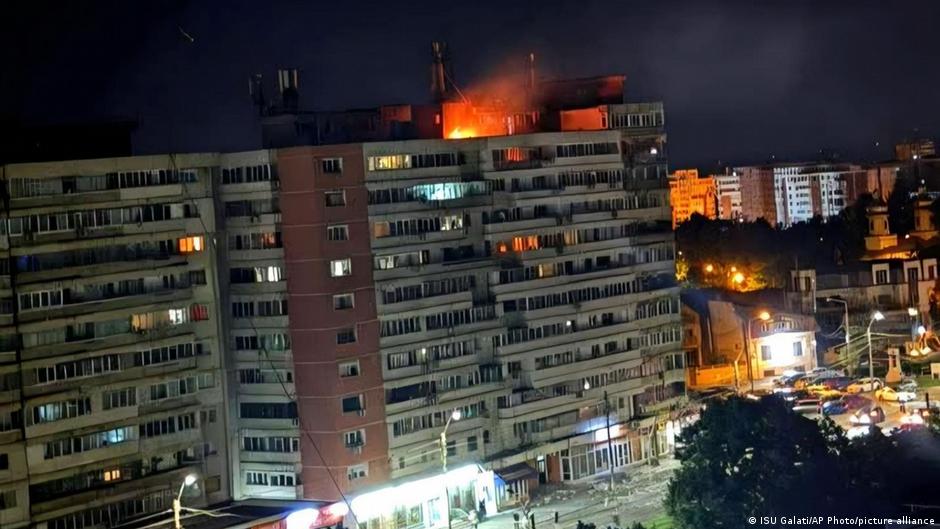
On May 29, NATO representatives corroborated Moldova's conclusions that a drone which crashed into a residential building in the Romanian city of Galați was of Russian origin. The incident, which caused a fire on the tenth floor and injured two people, has amplified security concerns in the region bordering Ukraine.
Implications for Regional Security and Tech Ecosystem
The North Atlantic Treaty Organization, through a statement by Martin O’Donnell of the Supreme Headquarters Allied Powers Europe (SHAPE), confirmed that the unmanned aerial vehicle (UAV) involved was manufactured in Russia. Romanian Defense Minister Radu-Dinel Miruță confirmed the identification based on serial numbers found on the wreckage.
Romania promptly requested NATO to enhance its air defense capabilities, describing the drone strike as a violation of international law. Romanian President Nicolae Ciucă detailed that Ukrainian air defenses had intercepted several Russian drones crossing Ukrainian airspace, one of which altered its trajectory after being damaged and ultimately struck a residential building in Galați.
"Responsibility for the attack on the residential building in the border city of Galați clearly lies with Russia," emphasized President Ciucă, underscoring the geopolitical tensions impacting the border region.
In response to the incident, Romania declared the Russian consul in Constanța persona non grata and announced the closure of the consulate, signaling diplomatic strain.
Russian President Vladimir Putin expressed skepticism about the drone’s origin during a press conference in Astana, arguing that definitive conclusions require thorough examination of the UAV wreckage.
Venture Capital and Startup Perspectives: This escalation underscores growing security risks in Eastern Europe, which could impact the regional tech startup ecosystem. Heightened geopolitical tensions may accelerate investments in defense technologies, including drone detection and countermeasures, cyber defense startups, and AI-enabled security solutions.
Venture capital firms focusing on emerging tech sectors may find increased opportunities amid demand for innovative security products. Additionally, cross-border tech collaborations and M&A activity could be influenced by shifting regulatory and security environments, potentially affecting startups operating in or near conflict zones.
As the region grapples with these developments, the defense tech innovation ecosystem is poised for intensified scrutiny and investment, which may redefine startup trajectories and VC portfolio strategies in Eastern Europe.