NATO Intelligence Reveals Russia’s Underwater Nuclear Missile Development Raising Security Concerns
Russia’s secretive ‘Skif’ project involves deploying ballistic nuclear-capable missiles on the seabed, presenting new strategic and technological challenges.
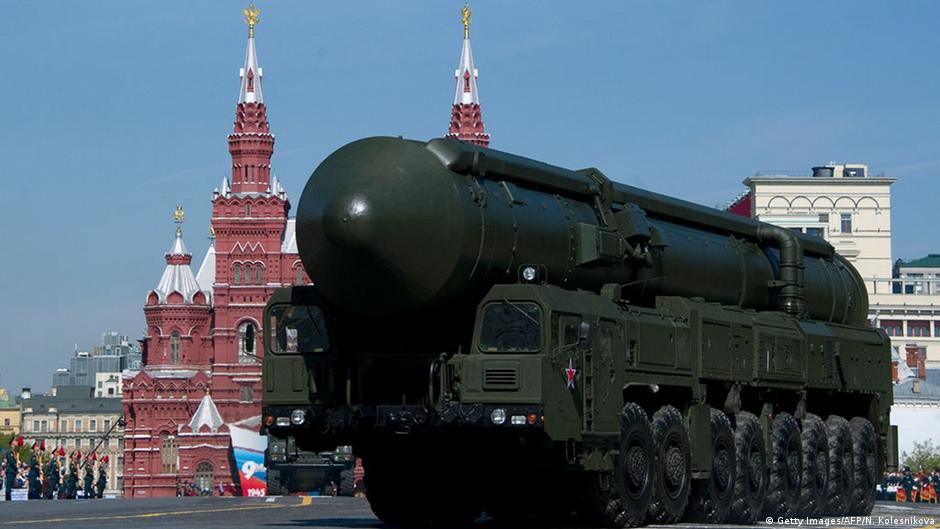
NATO intelligence agencies have detected activities by Russia’s Northern Fleet that suggest attempts to deploy ballistic missiles capable of carrying nuclear warheads on the seabed, according to an investigative report by German broadcasters ARD, WDR, and NDR.
The secret project, codenamed "Skif," has been under scrutiny for several months by investigative journalists analyzing satellite images, Russian scientific databases, historical documents, and consulting military experts. NATO’s intelligence inputs indicate that Russia may have been developing this underwater missile deployment method for many years, utilizing a modified version of the "Sineva" missile already in service with Russian submarines.
Implications for Strategic Stability and Technological Innovation
"Deploying missiles on the seabed could allow Russia to maintain nuclear deterrence at reduced costs compared to expensive submarines," says Helge Adrians from Berlin’s Science and Politics Foundation (SWP).
The "Skif" missiles are reportedly designed to be launched from the seabed at depths of several hundred meters and have a range of thousands of kilometers. These launch platforms would be nearly impossible to detect or destroy, posing a novel challenge to existing anti-missile and surveillance technologies.
Western intelligence believes these missiles are housed in specialized underwater silos or containers that can remain deployed for extended periods, remotely triggered if necessary. The construction and maintenance of such systems involve significant technical hurdles, including managing marine currents, sediment accumulation, power supply, and secure data transmission.
Key assets possibly involved in installing these underwater silos include the Russian vessel "Zvezdochka" and the submarine "Sarov," both based in Severodvinsk on the White Sea coast.
While neither NATO nor Russian defense officials have publicly commented on the "Skif" program, the Russian Embassy in Berlin has stated it holds no information on the matter.
The project could mark a significant shift in strategic nuclear posture and defense spending priorities, reducing reliance on costly nuclear submarines while preserving a credible deterrent. It also raises questions about maritime security frameworks and treaty compliance, given that the 1971 Treaty on the Prohibition of Nuclear Weapons Placement on the Seabed restricts such weapons only in international waters, not within national territorial waters.
Former Commander of the Russian Aerospace Forces, Viktor Bondarev, previously stated in 2017 that "Skif" missiles concealed on the seabed are part of Russia’s nuclear arsenal, reinforcing the strategic importance of such technology.
Impact on the Tech Startup and Venture Capital Landscape
The revelation of Russia’s advanced underwater missile deployment initiative underscores the critical role of cutting-edge innovation in defense technology. For tech startups and venture capitalists, the defense sector’s increasing emphasis on sophisticated underwater systems, secure communication, and autonomous maintenance solutions opens new opportunities for investment.
Key focus areas ripe for startup innovation include subsea robotics, AI-powered surveillance technologies, advanced materials for underwater durability, and secure data transmission networks. The complex operational challenges of projects like "Skif" highlight a demand for breakthrough technologies that can withstand harsh marine environments and integrate seamlessly with defense infrastructures.
Furthermore, geopolitical tensions and strategic arms developments drive government funding and contracts, often channeling resources into defense innovation ecosystems. Startups developing dual-use technologies—applicable in both military and civilian maritime sectors—stand to benefit from this environment, attracting venture capital interested in high-impact, long-term growth areas.
As nations explore novel approaches to strategic deterrence, the defense innovation landscape will increasingly intersect with the broader tech startup ecosystem, creating unique investment avenues characterized by high technical barriers and significant geopolitical relevance.