North Korea's Latest Missile Tests Highlight Emerging AI-Enabled Military Tech
Pyongyang's missile trials underscore integration of AI navigation systems, signaling advancements with potential implications for regional security and tech innovation.
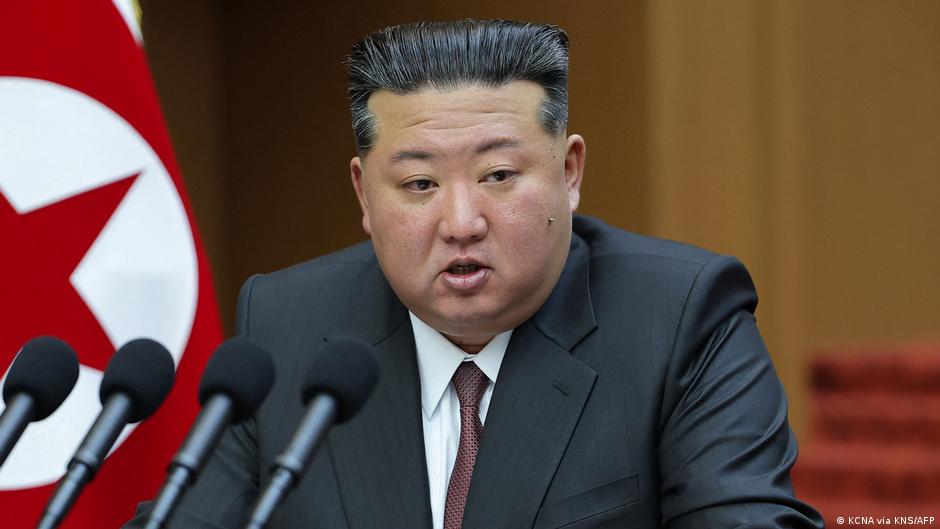
North Korea has recently conducted a series of missile tests involving tactical ballistic rockets, artillery rockets, and high-precision cruise missiles, all under the direct supervision of leader Kim Jong Un. These developments not only represent military advancements but also introduce new dimensions to the technological landscape in the region.
AI-Enabled Guidance Systems Signal Growing Military Tech Sophistication
The tests, reported on May 26, are part of Pyongyang's ongoing five-year plan to modernize its artillery and missile forces. Of particular note is the tactical cruise missile featured in the trials, which integrates multiple navigation systems, including terrain mapping and artificial intelligence (AI)-based targeting technologies. This combination allows the missile to accurately engage targets within a 100-kilometer radius, a capability that exemplifies the infusion of AI into weapons systems.
North Korea's reported use of AI in missile guidance presents a noteworthy example of innovation in defense technology emerging from a highly secretive state. The introduction of such advanced navigation technologies may indicate a broader trend where AI applications increasingly influence military hardware development worldwide.
"The missile's advanced AI navigation systems enhance precision targeting, reflecting a significant leap in Pyongyang's military technology."
From a venture capital and startup ecosystem perspective, Pyongyang's advancements highlight the growing importance of AI and autonomous systems in defense technologies. Globally, startups focused on AI-driven navigation, sensor integration, and autonomous vehicles could find increasing demand and strategic partnerships as militaries seek to integrate cutting-edge technologies.
While North Korea's missile programs are tightly controlled by the state, the underlying AI technologies share conceptual similarities with those developed in commercial sectors such as autonomous drones, robotics, and geospatial analytics. This convergence suggests opportunities for dual-use technology development where innovations in civilian tech can cross-pollinate into defense applications.
Moreover, the regional security environment influenced by North Korea's military advancements affects the broader innovation ecosystems in East Asia. Heightened military tensions can accelerate government investments in defense startups and influence mergers and acquisitions as companies strive to develop or acquire specialized AI navigation and missile guidance capabilities.
In conclusion, North Korea's recent missile tests are not only a demonstration of enhanced military capabilities but also an indicator of the expanding role of AI in defense technology. This trend underscores the critical intersection of national security concerns and technological innovation, where emerging startups and venture capital play pivotal roles in shaping future capabilities.