Novorossiysk Drone Attack Raises New Risk for Russia-Linked Supply Chains
A reported fire at a fuel oil terminal in one of Europe’s largest ports adds pressure on logistics, trade infrastructure and startup exposure to disrupted commodity flows.
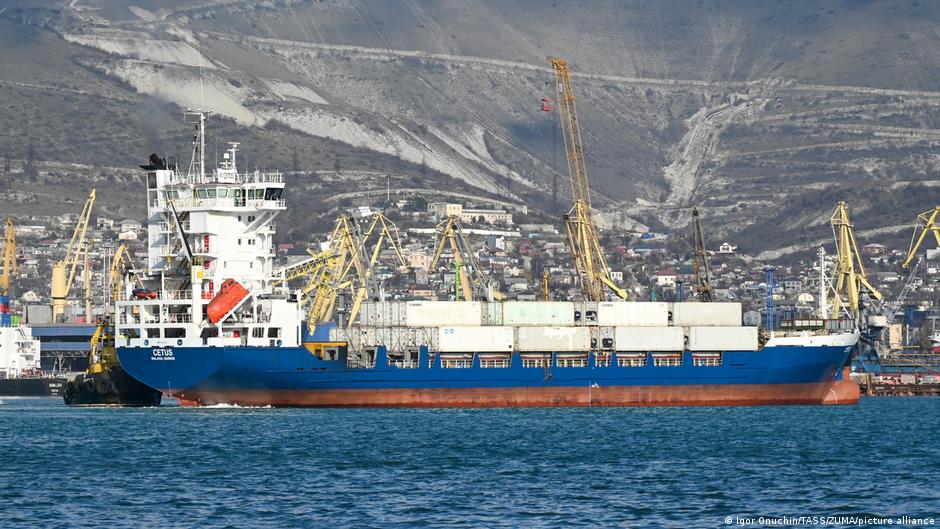
A drone attack on Novorossiysk triggered a major fire overnight on Wednesday, September 9, according to the city’s mayor and an OSINT analysis cited by ASTRA, adding another disruption risk around one of Russia’s most important trade and logistics hubs.
ASTRA reported, based on its OSINT analysis, that a fuel oil terminal was burning after strikes on the Black Sea port city. The outlet also wrote that there was a fire in a residential apartment building on Volgogradskaya Street. Novorossiysk Mayor Andrei Kravchenko said on Telegram during the night that the city had been attacked using drones.
According to the mayor, debris from unmanned aerial vehicles was known to have fallen on the grounds of enterprises and near a residential building. Preliminary information indicated there were no casualties. Emergency services were working to deal with the consequences of the attack.
Preliminary information indicated there were no casualties, while emergency services were working to eliminate the consequences of the strike.
The reported target area is significant beyond the immediate emergency response. ASTRA described the burning fuel oil terminal as one of the leading enterprises of the Novorossiysk transport hub, which is part of Russia’s largest port. An eyewitness also filmed another fire in the city, and ASTRA said that blaze was in a residential apartment building on Volgogradskaya Street.
Infrastructure Risk Moves Closer to the Startup Economy
For venture investors and technology startups, the incident is another reminder that physical infrastructure shocks can quickly become digital, financial and operational problems. Novorossiysk is one of the largest ports in Europe and a key hub for Russia’s foreign trade. Through it pass oil, metals, container cargo and as much as one third of all Russian grain exports, a role explained by the port’s proximity to major agricultural regions.
That concentration matters for logistics technology companies, commodity analytics platforms, insurance software providers and startups whose products depend on relatively predictable flows of energy, grain, metals or container freight. When a major port faces disruption, the impact can extend into routing software, freight procurement, warehouse planning, working-capital products and risk dashboards used by traders and industrial customers.
The source article does not report financial losses, operational shutdowns or confirmed damage estimates from the latest attack. It does, however, state that earlier in August an intensification of strikes on Novorossiysk caused noticeable disruptions in oil and grain shipments. For startups serving exporters, freight forwarders, ports, shipping brokers or commodity buyers, that history turns the latest fire into a data point in a wider pattern rather than a standalone local emergency.
Venture capital has spent the past several years funding companies that promise better visibility into supply chains, shipping schedules, commodity availability and geopolitical exposure. Incidents around Novorossiysk underline why those tools are becoming less optional for customers exposed to Black Sea trade routes. A port that handles major flows of oil, grain, metals and containers is also a node in the software stack of companies that model delivery times, insure cargo, extend trade finance or automate procurement.
The implications are not limited to Russian companies. International startups with customers in commodity trading, agricultural exports, energy logistics or marine insurance may face fresh demand for scenario modeling and risk-monitoring products. At the same time, startups with direct or indirect exposure to Russian export corridors could face harder questions from investors about customer concentration, sanctions compliance, contract reliability and the resilience of revenue tied to vulnerable transport nodes.
VC Diligence Around Geopolitical Exposure
For venture capital firms, the attack highlights a due diligence issue that has become more central in infrastructure-linked software: where the customer’s physical assets and trade routes actually sit. A startup may present itself as an enterprise SaaS, logistics intelligence or fintech company, but if its growth depends on ports, commodities or transport corridors exposed to conflict, its risk profile can change quickly.
Investors evaluating logistics, energy, agtech and trade-finance startups may therefore look more closely at whether companies can diversify geographically, serve multiple commodity categories, and adapt products to volatile operating conditions. The same event that creates stress for exposed customers can create demand for better monitoring, compliance, insurance and routing tools. But it can also slow sales cycles, increase counterparty risk and complicate cross-border operations.
M&A logic may also be affected. Larger logistics platforms, commodity data providers and industrial software companies often acquire startups to add analytics, regional coverage or workflow automation. Repeated disruptions around major trade hubs can make resilience-focused capabilities more valuable. Buyers may be more interested in startups that can ingest open-source intelligence, monitor port activity, flag shipment delays or help customers reroute around infrastructure bottlenecks.
At the same time, acquirers are likely to be cautious about startups whose data pipelines, customers or operations are tightly linked to high-risk zones. A young company built around a narrow trade route or a small set of exposed commodity flows may face a discount unless it can prove that its technology is portable to other markets.
Novorossiysk’s role in Russia’s export system explains why the reported fires are being watched beyond the city itself. The port is a major channel for grain because it sits near Russia’s key agricultural regions, and it also connects oil, metals and container cargo to global markets. A disruption there can touch industrial planning, commodity pricing expectations and transport availability, even before full details of damage are known.
The immediate facts remain limited to the reported drone attack, the mayor’s statement about UAV debris falling on enterprise territory and near a residential building, the preliminary absence of casualties, and ASTRA’s OSINT-based report of fires at a fuel oil terminal and an apartment building. For the innovation ecosystem, the broader lesson is clearer: software markets built around logistics, commodities and trade are increasingly shaped by the vulnerability of the physical infrastructure beneath them.