Russian Strikes Hit Ukrainian Cities, Adding Pressure on Business Continuity
Attacks on Kyiv, Odesa, Sumy and energy infrastructure disrupted property, power supplies and operating conditions for Ukrainian companies.
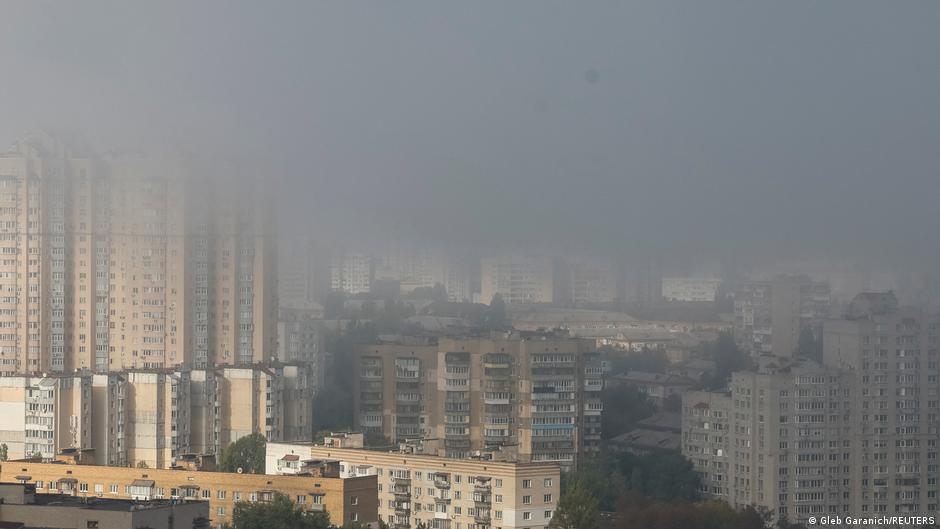
Russian forces carried out renewed mass attacks on several Ukrainian regions on the evening of Wednesday, September 30, damaging warehouses, residential buildings, a business center and energy infrastructure, according to local authorities, emergency services and media reports. The strikes add another layer of operational risk for Ukraine’s business community, including technology companies, logistics providers and startups that depend on stable electricity, office access and transport networks.
In Kyiv, damage was reported in three districts. Mayor Vitali Klitschko wrote on Telegram that a drone hit warehouse premises in the Obolonskyi district. In the Holosiivskyi district, drone debris fell on open ground near a road, causing trees to catch fire. According to the UNIAN news agency, a Russian drone struck a multi-story residential building in Kyiv’s Solomianskyi district. The main damage was caused to a cafe on the ground floor, while the blast wave and debris also damaged several other establishments, apartment windows and cars parked nearby.
In Odesa, a drone hit a business center, bringing the effects of the attack directly into the kind of commercial property used by service firms, professional offices and growing companies. The reported damage underscores a continuing challenge for Ukraine’s innovation economy: even when companies can keep teams distributed and cloud-based, physical premises, connectivity and staff safety remain exposed to attacks on urban infrastructure.
Business Risk Extends Beyond the Strike Zones
The evening attacks also caused damage in five districts of Kyiv region, according to Tymur Tkachenko, head of the Kyiv Regional Military Administration. He wrote on Telegram that a woman was injured in the Boryspil district as a result of the enemy attack. Several residential buildings and cars were also damaged in the Bucha, Obukhiv, Fastiv and Bila Tserkva districts. In Bila Tserkva district, a building of an educational institution was also damaged, Tkachenko said.
“As a result of the enemy attack in Boryspil district, a woman was injured,” Tkachenko wrote.
For venture-backed companies and their investors, the geography of the reported damage matters. Kyiv and its surrounding region remain central to Ukraine’s technology sector, talent base and administrative infrastructure. Warehouses, cafes, apartment blocks, roads and educational buildings are not only civilian assets; they also form the everyday support system around startups, software teams, founders and employees. Damage to these assets can disrupt commuting, childcare, meetings, supplies and the informal networks that help early-stage companies operate.
Sumy was also hit by guided aerial bombs, according to the regional office of Ukraine’s State Emergency Service, which reported the attack on Facebook. Preliminary data indicated that six people were injured. Private houses and apartment buildings were damaged in the city, and the roof of one building caught fire. The attack on Sumy highlights the broader national scope of disruption facing businesses that operate teams across multiple Ukrainian cities rather than only in the capital.
Ukraine’s startup ecosystem has often relied on distributed work, export-oriented software services and international investor relationships to maintain activity during the war. But attacks on housing and urban districts continue to affect the workforce behind those companies. The reported injuries and residential damage point to the human and operational costs that sit behind any discussion of capital flows, valuations or acquisitions in a wartime market.
Power Restrictions Create a Direct Operating Constraint
The attacks also affected Ukraine’s energy system. In an evening Facebook message, national energy company Ukrenergo said power consumption restrictions were being introduced because of Russian attacks on energy facilities. The company said that, because of a difficult situation in the power system, forced consumption-limiting measures would be applied in certain regions of Ukraine on October 1.
For industry and business, Ukrenergo said power limitation schedules would be in effect from 8:00 a.m. to 9:00 p.m. Hourly outage schedules for all categories of consumers would be applied from 8:00 a.m. to 11:00 a.m. and from 4:00 p.m. to 9:00 p.m. In Kyiv and three other Ukrainian regions, local authorities had already applied emergency power outage schedules on September 30.
Those power measures are especially significant for the technology sector. Software startups may be more flexible than heavy industry, but they still depend on uninterrupted connectivity, charged devices, data security procedures and predictable working hours. Hardware ventures, laboratories, manufacturing-linked startups, fulfillment businesses and companies using physical offices face even more direct exposure to scheduled limits and emergency outages.
For venture capital investors tracking Ukraine, the latest attacks reinforce a familiar but important investment reality: technical talent and startup resilience remain substantial, but infrastructure risk is a persistent operating variable. Power curbs can delay product development, customer support, deployments and back-office functions. They can also raise costs as companies spend on backup power, redundant connectivity, distributed workplaces and relocation support for employees.
The damage to a business center in Odesa and warehouses in Kyiv also touches on the merger and acquisition environment. Strategic buyers and investors assessing Ukrainian companies must evaluate not only revenue growth and intellectual property, but also continuity planning, asset concentration and the robustness of management systems under wartime conditions. Companies that can demonstrate resilient operations, diversified work arrangements and reliable customer delivery may stand out in a market where infrastructure disruption is a recurring constraint.
At the ecosystem level, the September 30 attacks show how military strikes can ripple through civilian and commercial life at once. Residential blocks, cafes, cars, educational buildings, warehouses, business premises and energy facilities all appeared in the reported damage pattern. For founders, employees and investors, that combination means business continuity is inseparable from public infrastructure and personal safety.
The immediate facts remain focused on the affected cities and regions: Kyiv saw damage in Obolonskyi, Holosiivskyi and Solomianskyi districts; Odesa reported a drone strike on a business center; Kyiv region reported damage across five districts and one injured woman; Sumy reported six injured people after guided bomb strikes; and Ukrenergo announced electricity consumption restrictions for October 1 after attacks on energy facilities. For Ukraine’s innovation economy, the longer-term significance lies in the compounding pressure on the systems that allow startups and technology companies to keep operating through war.