Over 40 Countries Urge Advance Notification of Ballistic Missile Tests to Enhance Global Security
International coalition calls for 24-hour prior notice on ballistic missile launches to reduce risks and support strategic transparency.
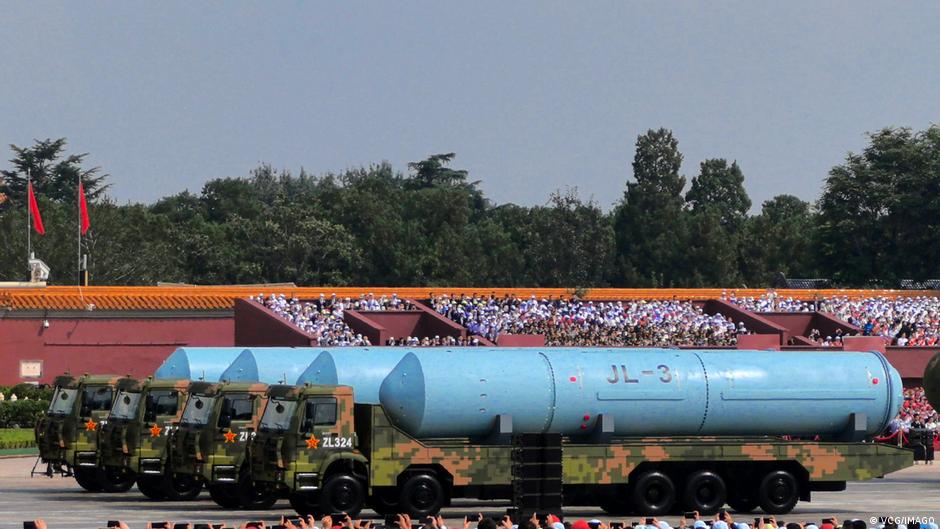
More than 40 countries, including major technology markets such as the United States, South Korea, and Japan, have issued a joint statement emphasizing the importance of advance notification for ballistic missile tests. The coalition warns that conducting missile launches without prior notice jeopardizes global peace and security.
The statement, released on August 11, calls on nations conducting tests of intercontinental ballistic missiles, submarine-launched ballistic missiles, and carrier rockets to provide notifications at least 24 hours in advance. The appeal especially targets nuclear-armed states, urging them to adopt transparent procedures.
Implications for Tech Startups and the Innovation Ecosystem
While the statement primarily addresses international security concerns, the underlying push for transparency and trust has broader significance for the technology and venture capital sectors. Unannounced missile tests increase geopolitical risks, which can create volatility in global markets and hinder cross-border collaboration. For startups and investors focused on defense technology, aerospace, and satellite communications, a stable security environment is crucial for sustainable innovation and funding flows.
According to the joint statement, “Orderly, transparent notification mechanisms do not constrain military development or operational requirements of any country but reduce the risk of miscalculation, strengthen trust, and reflect a shared commitment to security.” This approach fosters a predictable operational environment, enabling startups within the defense tech ecosystem to better plan product development and align with government procurement cycles.
"Clear communication about missile launches not only mitigates conflict risk but also stabilizes the innovation landscape critical for emerging tech ventures."
The notification requirements are expected to include details such as the missile class, launch area, and intended trajectory, creating greater situational awareness for all stakeholders. This level of transparency could pave the way for more collaborative international projects, including joint technology ventures and research initiatives.
The statement also indirectly references recent missile tests in the Pacific Ocean, noting that standards were not met—an apparent allusion to a July test by China that involved a strategic missile launch from a nuclear submarine. The launch was only disclosed to a limited number of countries moments before takeoff, underscoring the ongoing challenges of enforcing notification norms.
In parallel, North Korea continues to conduct ballistic missile launches, with at least 11 tests recorded this year. A launch on August 12, reportedly from Wonsan on North Korea’s east coast, is a reminder of the volatile security context in Northeast Asia. South Korea and Japan have responded with heightened surveillance and vigilance, measures that impact regional defense startups and technology firms involved in missile detection, tracking, and cybersecurity.
Japan’s Ministry of Defense estimated that the missile reached an altitude of approximately 90 kilometers and fell into the ocean about 10 minutes after launch, traveling less than 700 kilometers. Such developments emphasize the importance of robust early-warning systems and real-time data sharing, areas ripe for innovation and venture investment.
For venture capitalists and emerging enterprises in the defense and space sectors, the international call for notification protocols could signal increased opportunities for growth. Enhanced transparency and stability may encourage investments in missile defense technologies, sensor networks, and satellite-based monitoring services that are critical to global security infrastructure.