Palm Beach International Airport Renamed After President Trump, Impacting Regional Tech Ecosystem
Florida’s Palm Beach International Airport adopts new Trump-inspired name and code, influencing local business and innovation dynamics.
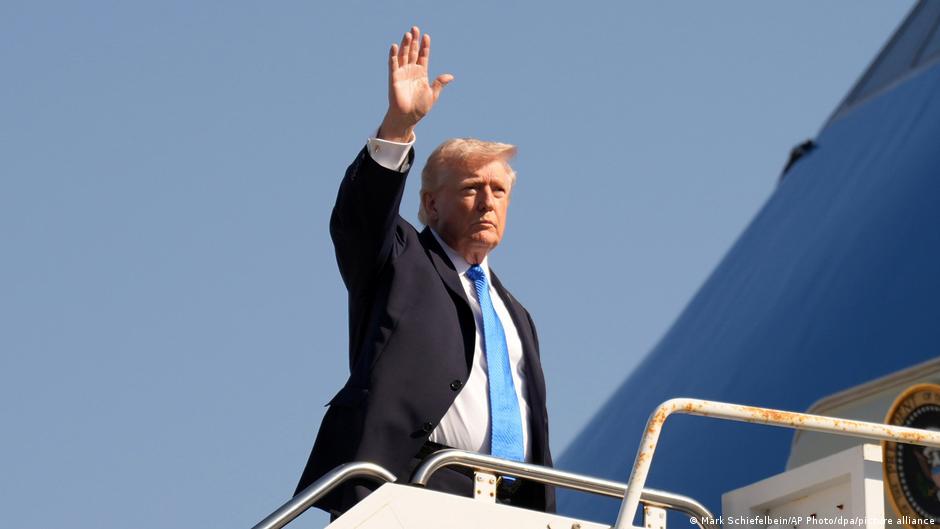
On July 9, 2024, Florida’s Palm Beach International Airport will officially be renamed in honor of the sitting U.S. President Donald J. Trump. The airport’s three-letter IATA code will change from PBI to DJT, reflecting the president’s initials, marking a rare instance of such a renaming for an active head of state.
Implications for the Local Startup and Venture Capital Scene
The renaming of Palm Beach International Airport is more than a symbolic gesture— it underscores the evolving economic and branding landscape in South Florida, a region increasingly recognized as a burgeoning tech and startup hub. Palm Beach County, home to Mar-a-Lago, Trump’s private residence, has seen a rise in venture capital inflows over recent years, driven by entrepreneurs and tech investors relocating to Florida’s favorable business climate.
Airport naming is often tied to regional identity and can influence external perceptions. For startups and investors, the association with a high-profile political figure can be a double-edged sword, potentially bolstering brand recognition while also introducing political considerations into business dealings.
“The renaming of a major transportation gateway can impact how venture capitalists and startups perceive regional accessibility and prestige, which are key factors in site selection and investment,” said an industry analyst.
The airport’s new code, DJT, will become part of travel itineraries and logistics communication worldwide, potentially raising the profile of the Palm Beach area among international business travelers and investors. Increased traffic and visibility may catalyze startup ecosystem growth by attracting conferences, accelerators, and venture events aligned with the area’s expanding tech ambitions.
Furthermore, the region’s association with President Trump, who has announced multiple public infrastructure and military projects in recent months, could spur government-related contracts and innovation initiatives. This environment might offer emerging technology companies opportunities to collaborate on defense and civic tech solutions, aligning with national priorities.
Recent government actions linking President Trump’s name to federal institutions and commemorative programs hint at a broader strategy to leverage presidential branding for public engagement and economic stimulus. For tech startups, this means potential new avenues for grants, partnerships, and visibility within politically connected networks.
While the airport renaming primarily carries symbolic value, its ripple effects on the venture capital and startup ecosystem in South Florida will be closely monitored. Local governments and business leaders are expected to capitalize on increased attention to promote entrepreneurship and innovation.