Prominent Russian Filmmaker's Anti-War Message Faces Kremlin Silence Amidst Civic Disenfranchisement
Andrei Zvyagintsev’s public call to end Russia’s war in Ukraine highlights growing suppression of dissent and impacts the innovation ecosystem.
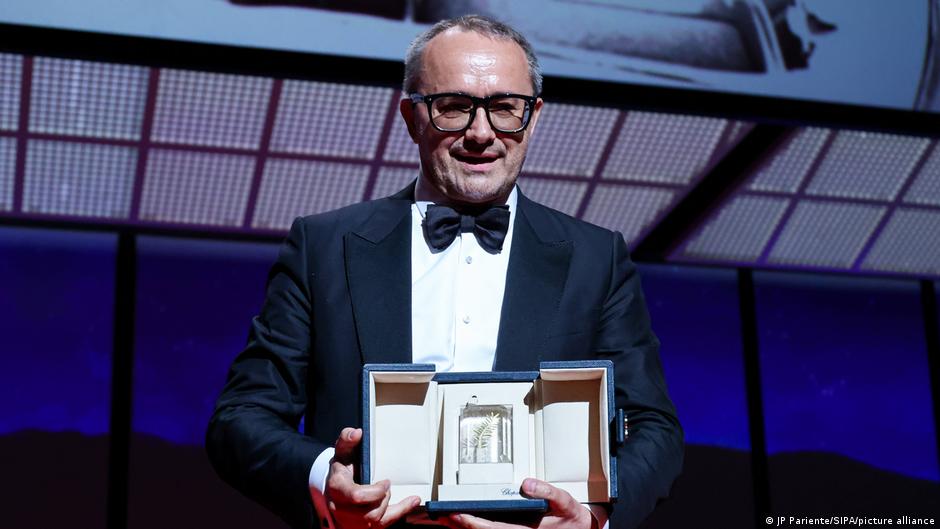
Renowned Russian filmmaker Andrei Zvyagintsev, recipient of the Cannes Film Festival Grand Prix, recently issued a public plea for an end to the war in Ukraine—a message that has been explicitly ignored by the Kremlin. This incident underscores a broader climate of civic disenfranchisement in Russia that is increasingly affecting the country’s innovation ecosystem and startup landscape.
Anti-War Appeal Met with Official Rebuff
During the Cannes Film Festival on May 23, Zvyagintsev delivered a powerful speech urging Russian President Vladimir Putin to stop the ongoing conflict in Ukraine. “Millions of people on both sides of the front line long for one thing: for the endless killing to end,” he said, emphasizing that only the Russian president has the power to halt the violence. His words were met with applause from the festival audience.
“Millions share their voices in silence, yet none are heard—this paralysis threatens not only lives but the very foundation of our future.”
However, Dmitry Peskov, the Kremlin press secretary, refused to forward this appeal to President Putin. He dismissed Zvyagintsev’s call by arguing that the director lacked the "right to speak," claiming that since Zvyagintsev did not condemn what Peskov described as "the bloody conflict instigated by the Kyiv regime since 2014," he could not criticize the current war. Peskov further stated he himself had no intention of passing the message to the president and doubted anyone else would.
Wider Implications for Russia’s Innovation Ecosystem
Zvyagintsev's response emphasized that he shares the disenfranchisement experienced by millions of Russians who feel their voices are ignored or suppressed. He stated, "There is no right to speak for me, just as there is none for hundreds of millions of Russians today because their voices are never heard."
Such systemic suppression has significant ripple effects beyond politics. The lack of open civic engagement and freedom of expression creates an environment of fear and apathy, which undermines the foundations of innovation and entrepreneurship. Tech startups and venture capital ecosystems rely on open communication, transparency, and trust to thrive—qualities eroded by political repression and societal uncertainty.
Moreover, the ongoing conflict and the political climate discourage foreign investment and cross-border collaboration critical to technology startups. The resulting brain drain and isolation limit access to global markets, funding, and innovation networks, potentially stalling Russia’s position in the competitive global tech landscape.
A Call to Act ‘Here and Now’
Zvyagintsev’s plea is not just a moral appeal but a timely reminder of the consequences that prolonged conflict and silence can have on a country's future. He urged action "from the principle here and now: to end this senseless and merciless war," emphasizing that continuing down the current path only leads to "grief and tears, disappointment and depressive apathy, and the destruction of young people needed to build life and the future. Nothing good lies ahead unless this stops."
This message resonates strongly with venture capitalists and entrepreneurs who understand that the vitality of any innovation ecosystem depends on stability, open dialogue, and the free exchange of ideas. The stifling of dissent signals risk and unpredictability—factors that can deter investment and slow startup growth.
In sum, while Zvyagintsev’s anti-war message may have been silenced by the Kremlin, it highlights a critical challenge for Russia’s tech and startup sectors: the need to foster an environment where voices can be heard, conflicts resolved, and innovation allowed to flourish free from political repression.