Putin Backs Use of Medically Unfit Volunteers for Anti-Drone Roles
The proposal highlights Russia’s growing manpower pressures and the expanding role of drone defense in a war reshaping technology priorities.
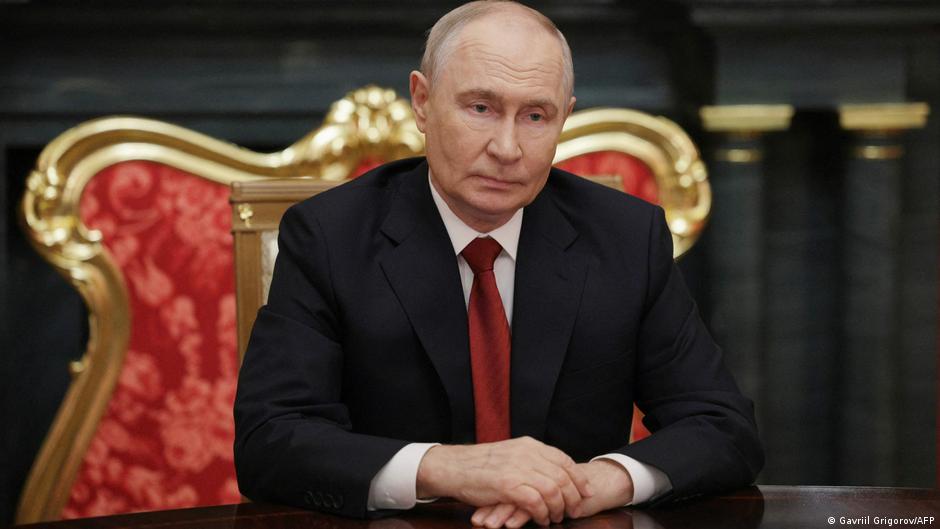
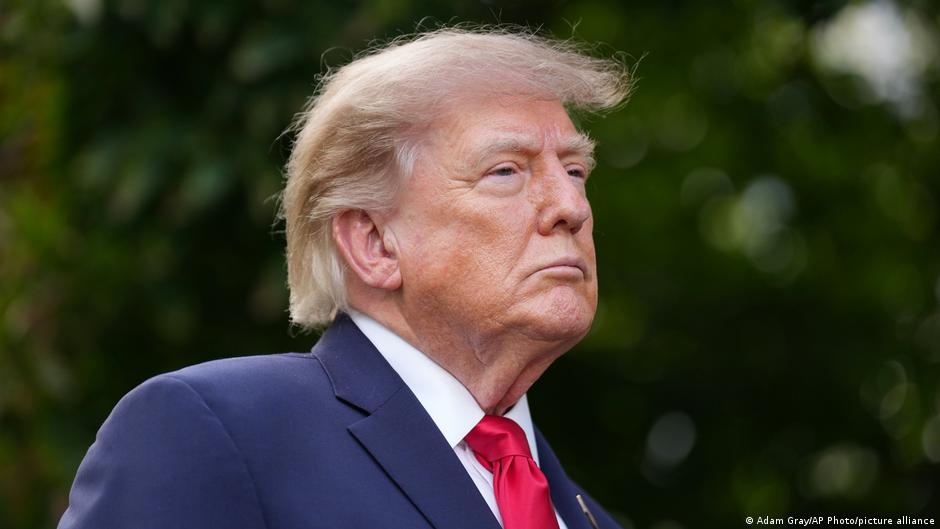
Russian President Vladimir Putin has backed a proposal to allow volunteers formally deemed completely unfit for military service to take part in anti-drone defense tasks away from the front line, a move that underscores the widening demands of a war increasingly shaped by unmanned systems.
The proposal came from pro-Kremlin military correspondent Yevgeny Poddubny during a meeting of the leadership of the United Russia party. According to The Moscow Times and Ekho, Poddubny said some fighters who had received the most severe medical classification after combat injuries were asking to serve and could perform duties in regional units tasked with repelling Ukrainian drone attacks on rear-area facilities rather than fighting at the front.
Putin supported the idea at the same meeting. The reported endorsement would affect citizens with the Russian health category “D,” a designation meaning “absolutely unfit for military service.” Under current Russian law, people in that category cannot sign contracts with the Defense Ministry.
The proposal would place medically disqualified volunteers in roles such as guarding rear-area facilities against drones, rather than deploying them to the front line.
For Russia’s technology and innovation ecosystem, the discussion points to the accelerating centrality of drone warfare and counter-drone systems. The war against Ukraine has turned unmanned aerial vehicles, electronic warfare, detection networks and facility protection into operational priorities. As those systems become more important to military planning, the boundary between conventional manpower policy and technology-enabled defense is narrowing.
Drone Defense Becomes a Rear-Area Priority
The category “D” is assigned to people with severe chronic illnesses and disabilities, including active tuberculosis, HIV infection, cancer, schizophrenia, missing limbs, blindness or deafness. Citizens assigned this status are removed from the military register and their personal files are sent to an archive. The proposal supported by Putin would therefore require a shift in how Russia treats a group currently outside the contract-service system.
The immediate rationale presented by Poddubny was operational: rear-area sites need protection from Ukrainian unmanned aerial vehicle attacks, and some medically discharged or severely injured former fighters may be able to perform regional defense tasks. The idea suggests that anti-drone security is no longer viewed only as a specialist front-line function. It is also becoming a distributed infrastructure-protection challenge across Russian regions.
That trend has implications beyond the military chain of command. Startups and defense-adjacent technology companies operating in fields such as sensors, radar, radio-frequency detection, jamming, computer vision and autonomous threat monitoring are part of a wider global market being reshaped by the conflict. Russia’s search for additional personnel to guard facilities against drones signals that technology alone has not removed the need for large numbers of people to monitor, operate and respond to threats.
For venture capital investors watching defense technology, the development reinforces a broader wartime pattern: demand is rising not only for drones, but also for layered systems that can detect, classify and stop them at scale. While the Russian context is heavily shaped by state direction and wartime procurement, the underlying operational problem is one investors in NATO countries, Ukraine and other markets are also evaluating. Critical infrastructure, logistics hubs and energy assets are increasingly seen as customers for dual-use counter-drone technology.
Manpower Pressure and the Innovation Market
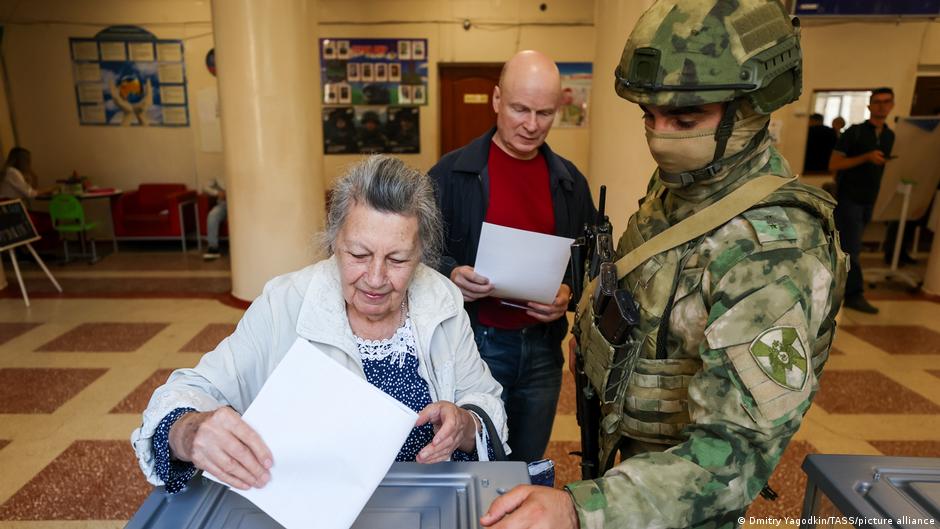
Putin’s backing for the proposal also comes against a backdrop of persistent questions about Russian manpower. On September 3, during the plenary session of the Eastern Economic Forum in Vladivostok, the Russian president again addressed rumors of a new mobilization wave. He said there was “no scenario that would require mobilization” and described the discussion as an “information attack” by the enemy ahead of State Duma elections aimed at influencing the result.
It was Putin’s second recent statement on the issue. The previous day, after the Shanghai Cooperation Organization summit in Bishkek, he called such fears “dog nonsense.” At the same time, the 2022 decree on partial mobilization has not formally been canceled and remains in force.
Russians have continued to report summonses, military training notices and intensified recruitment for the war against Ukraine. Pro-war Z channels reported in July that forced conscription to the front could affect 1.2 million Russians and could be accompanied by informal arrangements with neighboring countries that would make it impossible for men of draft age to leave for adjacent states.
The manpower picture is also shaped by casualty levels and contract recruitment targets. In August, according to the Institute for the Study of War, total Russian troop losses exceeded 40,000 people for the second month in a row. The Financial Times, citing sources, reported that the Kremlin and Russia’s Defense Ministry had instructed Russian regions to secure the recruitment of 409,000 contract soldiers by the end of 2026 for participation in the war. To meet that plan, the authorities are increasing pressure on local officials.
For the startup and venture capital community, the significance lies in how state demand can redirect technical capacity. In wartime economies, government priorities often shape procurement markets, talent flows and financing pathways. Counter-drone systems, secure communications, surveillance software and related infrastructure can become areas of accelerated development, but also areas where private innovation is closely tied to political and military objectives.
The proposal to use people deemed completely unfit for service in anti-drone roles illustrates that Russia’s war effort is drawing on both technology and increasingly unconventional labor pools. It also shows how drone attacks deep inside rear areas are forcing a rethink of security models. Facilities once considered distant from direct combat now require layered protection, creating a growing need for systems, operators and local units capable of responding to unmanned threats.
For investors, founders and acquirers in defense technology, the episode is another indicator that the market for drone defense is moving from niche capability to core infrastructure. But in Russia’s case, the same trend is unfolding within a heavily militarized system facing casualty pressure, recruitment targets and legal barriers around who can formally serve.