Putin Endorses Gerhard Schröder as EU Negotiator in Ukraine Conflict Talks
Russian President Vladimir Putin identifies former German Chancellor Gerhard Schröder as preferred EU interlocutor for Ukraine peace negotiations.
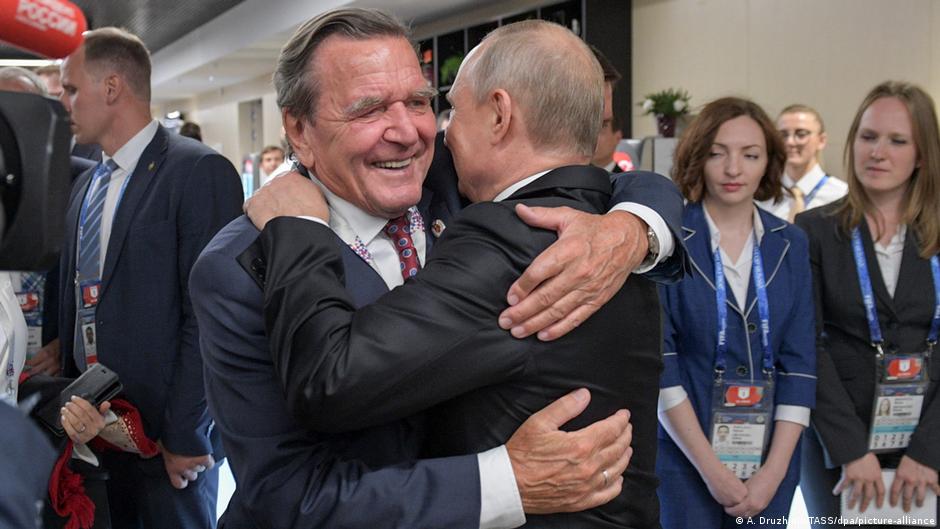
Russian President Vladimir Putin has signaled a willingness to engage in negotiations to end the ongoing conflict in Ukraine, naming former German Chancellor Gerhard Schröder as his preferred European Union negotiator. This endorsement highlights the complex interplay between politics, business, and diplomacy amid the war’s uncertain resolution.
Schröder's Role and Implications for the European Tech and Investment Landscape
At a May 9 press conference, Putin outlined his conditions for dialogue with the EU, emphasizing that Moscow expects a European negotiator who has maintained respectful rhetoric toward Russia. In this context, he singled out Schröder, known for his close ties to Putin and significant involvement in Russian energy projects, including the Nord Stream pipeline and Rosneft’s board.
“For me personally, the preferable person is the former German Chancellor Mr. Schröder,” Putin stated, underscoring Schröder's unique position as a bridge between Russia and Europe.
Schröder’s nomination as a mediator is particularly notable given his previous pro-Russian statements during the conflict and his well-documented lobbying for Russian interests in Germany. His dual identity as a political figure and energy sector executive exemplifies the overlap between political influence and strategic economic interests.
For tech startups and venture capital ecosystems within Europe, this development raises questions about future geopolitical stability and energy security—factors that are critical for innovation and investment climates. The war and subsequent negotiations will likely impact supply chains, energy costs, and the regulatory environment, all of which shape the operational landscape for emerging tech ventures.
Moreover, the endorsement of a figure like Schröder, who has been controversial within EU circles, reflects the complexities investors face when assessing risk related to geopolitical dynamics. As the EU considers its negotiation stance, the tech sector and venture capital funds will monitor these developments closely to anticipate shifts in market confidence and regulatory frameworks.
Putin also reiterated Russia’s openness to dialogue with Ukrainian President Volodymyr Zelensky, conditioned on "final agreements that consider a long-term historical perspective." However, official diplomatic negotiations currently remain stalled, with Russia’s Foreign Minister Sergey Lavrov confirming the absence of formal talks as of mid-April. Meanwhile, Ukraine has been skeptical of Kremlin-hosted summits, citing concerns over security and sincerity.
Notably, Putin criticized Western European politicians' rhetoric against Russia and underscored his disapproval of Finland's NATO membership. Such statements contribute to a charged atmosphere that could influence both political negotiations and investor sentiment.
In the United States, reports have emerged that Putin previously lobbied for Steve Witkoff, a businessman rather than a career diplomat, to act as a U.S. negotiator on Ukraine, highlighting Moscow’s preference for interlocutors perceived as flexible and business-savvy over traditional political figures.
The intersection of political negotiation efforts, personal networks like that of Schröder, and the ongoing conflict has significant ramifications for Europe’s innovation ecosystem. Stability and clarity in policy affect venture capital flows, startup growth, and the broader technology landscape. Investors and founders alike must navigate the geopolitical tensions that influence access to capital, talent, and markets.
As the situation evolves, the role of unconventional negotiators and the influence of energy politics will remain pivotal factors shaping the future of tech entrepreneurship and investment in the region.