Regional Authorities Report Civilian Casualties Amid Drone Attacks in Russia-Ukraine Conflict
Drone strikes in Russian border regions cause civilian casualties, highlighting ongoing cross-border hostilities impacting regional stability and tech infrastructure.
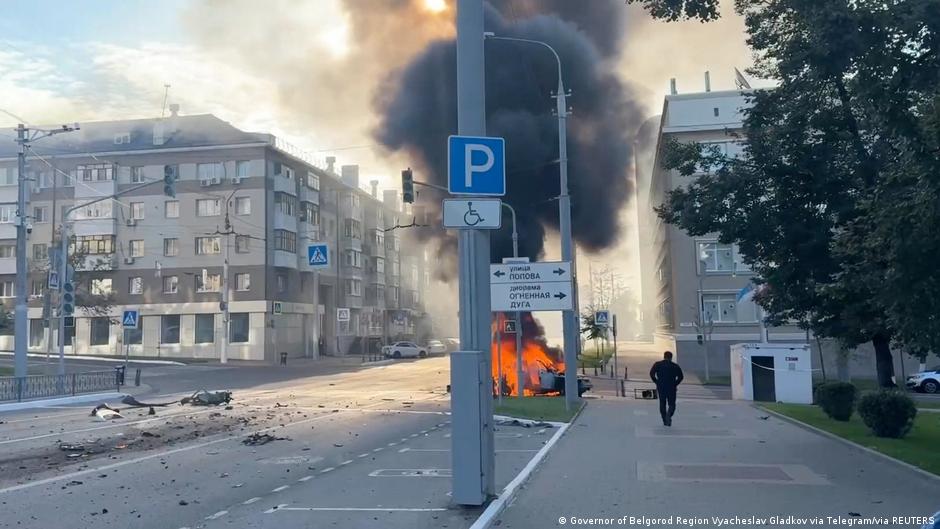
Recent drone attacks attributed to Ukrainian forces targeting Russian border regions have resulted in civilian casualties and infrastructure damage, underscoring escalating cross-border hostilities that could impact regional stability and the innovation ecosystem.
Impact of Drone Strikes on Russian Border Regions
According to local authorities in the Belgorod region, at least 12 civilians, including two children, were injured following a mass drone attack during the night of July 27. The assault caused fires in several residential apartments and vehicles, leading to temporary shutdowns of utilities in two high-rise buildings. Residents from affected buildings have been relocated to temporary shelters as some apartments remain unsafe for habitation.
"Several apartments and vehicles caught fire, forcing evacuations and temporary utility shutdowns," confirmed the mayor of Belgorod, Valentin Demidov.
Similarly, the Rostov region reported casualties due to shelling in Rostov-on-Don, where a married couple was killed and five others wounded. Governor Yuri Slyusar communicated these details via social media, highlighting the human cost of the conflict spilling into Russian territories.
Military Actions and Broader Regional Consequences
The Russian military has simultaneously conducted drone and missile strikes targeting Ukrainian regions, including Dnipropetrovsk, Sumy, Chernihiv, Zaporizhzhia, Kharkiv, and Kherson, as reported by the Ukrainian Air Force. This persistent cycle of attacks and counterattacks reflects the ongoing intensity of the conflict along the Russia-Ukraine border.
For the tech and startup sectors, these developments accentuate the volatility of the security environment in Eastern Europe. The damage to residential infrastructure and the threat to civilian safety potentially disrupt local talent pools and the regional innovation ecosystem, affecting investor confidence and operational continuity for startups and technology firms.
Moreover, the use of drones in military operations illustrates the growing role of advanced technologies in modern conflict, which may influence venture capital interest in defense tech startups and related innovations. The conflict accelerates demand for unmanned aerial vehicles (UAVs), cyber defense, and secure communication technologies—areas attracting increased attention from investors aiming to capitalize on emerging security needs.
While the immediate humanitarian impact is severe, the ongoing hostilities could reshape investment strategies within the regional tech ecosystem, prompting startups and VCs to reassess risk profiles and prioritize resilience and security in their ventures.