Renewed Russian Missile Attacks Escalate Conflict Impacting Ukraine’s Tech Ecosystem
Multiple drone and missile strikes in Kyiv raise concerns over infrastructure risks and investor confidence in Ukraine’s technology sector.
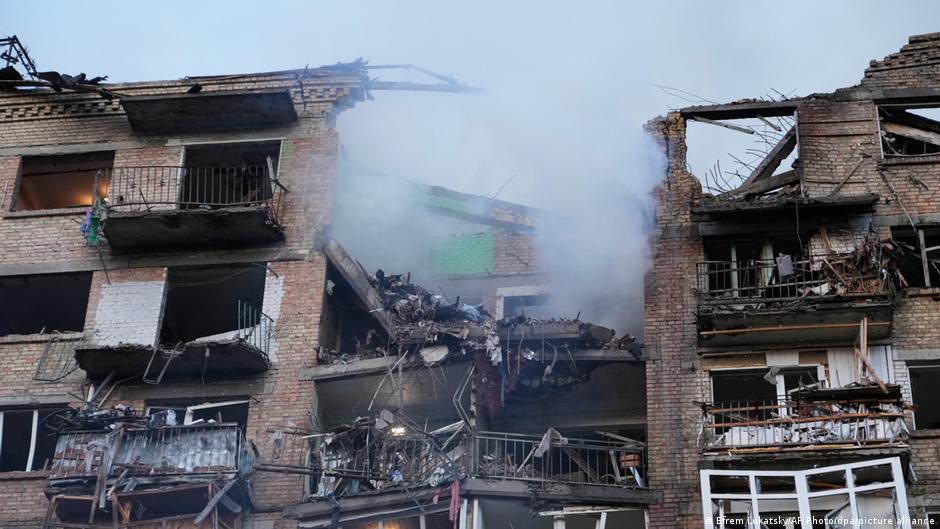
On the night of May 24, Russian forces launched a new wave of intense drone and missile attacks targeting Kyiv and its surrounding regions. These assaults have resulted in significant civilian casualties and infrastructure damage, further destabilizing the environment for Ukraine’s burgeoning technology startups and innovation ecosystem.
Impact on Kyiv and the Tech Innovation Environment
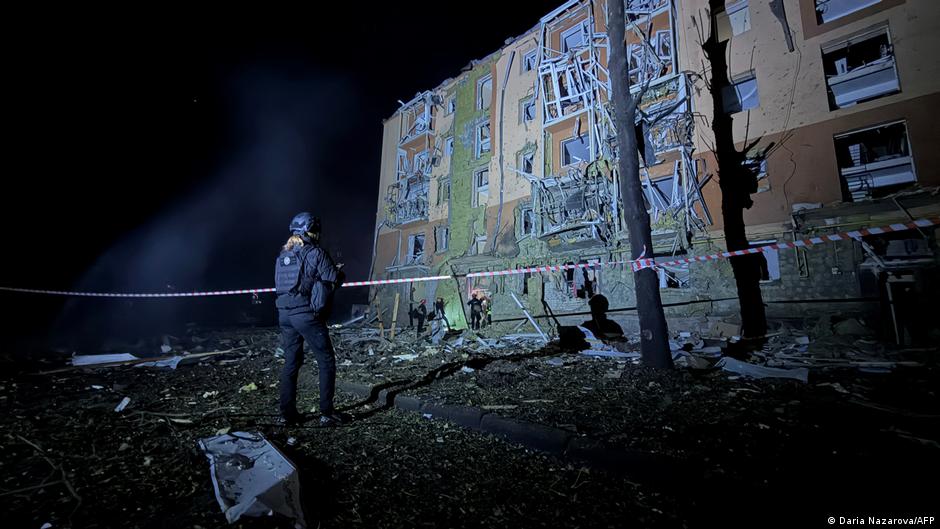
Kyiv’s mayor, Vitali Klitschko, reported that at least 21 individuals were wounded in these strikes, with 13 hospitalized and several in critical condition. Among the affected areas, residential high-rises in Shevchenkivskyi, Obolonskyi, and Solomianskyi districts were hit by unmanned aerial vehicles (UAVs), causing fires and structural damage. Videos circulating on social media show extensive fires, particularly in Solomianskyi district, highlighting the severity of the attacks.
Beyond human tragedies, the attacks pose growing risks to Kyiv’s infrastructure, including the technology hubs and co-working spaces that are vital to Ukraine’s startup landscape. Persistent security threats could hinder investment inflows and disrupt digital connectivity, essential for venture capital-backed companies relying on stable operations.
"If the recent missile strikes continue, Ukraine’s tech startups face unprecedented operational risks that could stall innovation and deter foreign investments," said an industry analyst.
Additionally, fragments from drones and missiles have fallen across various Kyiv neighborhoods and suburbs, triggering fires and damage that compound the challenges for tech enterprises striving to maintain business continuity in a conflict zone.
Ballistic Missile Use and Geopolitical Implications for Investors
Intelligence reports suggest Russia may have employed the "Oreshnik" medium-range ballistic missile in these attacks, targeting unidentified locations south of Kyiv, including the city of Bila Tserkva. Should this be confirmed, it would mark the third recorded deployment of this missile since Russia’s full-scale invasion began, demonstrating an escalation in the conflict’s technological and tactical dimensions.
Previous uses of the "Oreshnik" missile occurred in November 2024 and January 2026, with Moscow framing these strikes as missile tests or retaliatory attacks against Ukrainian drone operations. These developments illustrate the increasing sophistication and intensity of weaponized technologies employed, which could translate into heightened volatility for Ukraine’s technology and investment sectors.
Ukrainian President Volodymyr Zelensky’s warning about imminent "Oreshnik" use, based on intelligence data, underscores the ongoing threats to Ukraine’s stability. He has called on international partners to proactively increase pressure on Moscow to prevent further escalation, emphasizing the need for preemptive rather than reactive measures.
For venture capital firms and startups operating in Ukraine or considering entering the market, this conflict escalation presents both challenges and considerations. The security environment affects due diligence, risk assessments, and operational planning. Investors must weigh the resilience of startups against the backdrop of physical infrastructure threats and broader geopolitical instability.
Despite these challenges, Ukraine’s tech sector continues to demonstrate resilience and innovation. However, sustained security risks could impede growth, delay funding rounds, and prompt startups to explore alternative hubs or partnerships that can offer greater stability and protection.