Repeated Power Losses at Zaporizhzhia NPP Raise Concerns for Tech Infrastructure and Innovation in Conflict Zones
The Zaporizhzhia nuclear plant’s ongoing power disruptions during the Ukraine conflict highlight risks to critical infrastructure affecting regional tech and energy startups.
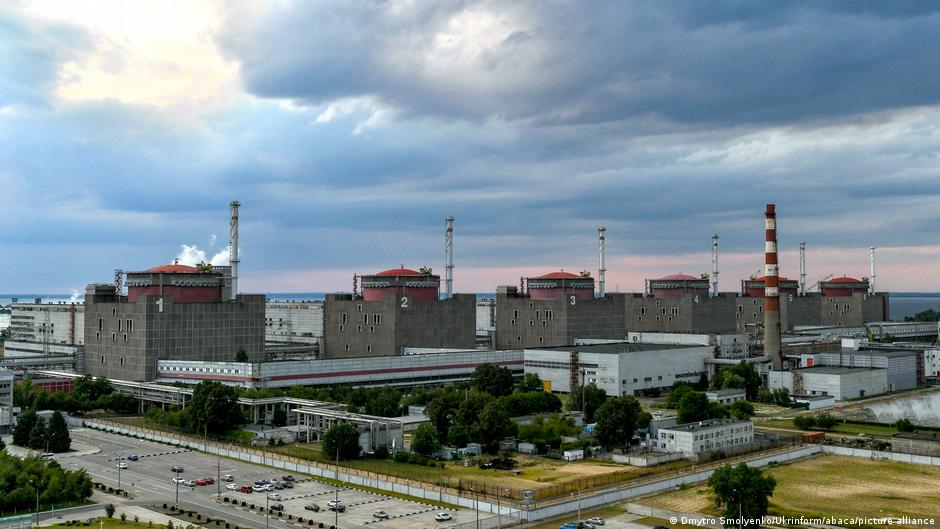
The Zaporizhzhia Nuclear Power Plant (NPP), currently under Russian control, experienced its 23rd loss of external power supply since the full-scale conflict in Ukraine began. The incident underscores significant risks to critical infrastructure that could impact the regional technology and innovation ecosystem, including startups reliant on stable energy and connectivity.
Implications for Tech Startups and Innovation Ecosystem
The International Atomic Energy Agency (IAEA) reported that on August 1, the Zaporizhzhia NPP lost its external electricity supply for nearly two hours, forcing the facility to rely on emergency diesel generators to maintain cooling systems and other critical operations. The precise cause of the latest power outage remains unknown.
This disruption came amidst escalating military activity near the plant and the nearby city of Enerhodar, home to many plant employees. The IAEA also observed prolonged internet outages and water supply issues at the facility, compounding threats to nuclear safety.
Although the plant operates under the control of Russian forces since April 2022, its power connectivity is critical not only for safety but for the broader regional infrastructure that supports businesses, including tech startups. Unstable power and communication lines pose severe challenges for innovation-driven enterprises that require reliable energy and network connectivity to operate effectively.
"The repeated power losses and infrastructure interruptions at Zaporizhzhia highlight the fragility of critical energy systems in conflict zones," said a nuclear energy specialist from Greenpeace Ukraine. "Such instability can hamper the growth of tech ecosystems that depend on uninterrupted power and digital infrastructure."
Satellite analyses by Greenpeace Ukraine reveal that Russian authorities are constructing a high-voltage power transmission line along the M18 highway, potentially connecting Zaporizhzhia to energy grids of annexed Ukrainian territories and southern Russian regions. This move could shift the plant’s integration away from Ukraine's national grid, impacting energy distribution and market dynamics relevant to startups and investors across the region.
Experts suggest that Russian nuclear operator Rosatom views the Zaporizhzhia plant as a cost-effective alternative to developing new reactors in Rostov and Krasnodar regions. However, recent Ukrainian drone strikes on a substation in Henichesk temporarily disrupted efforts to integrate the plant into Russian-controlled energy systems, adding further volatility.
For venture capitalists and startup founders, these developments illustrate the complexities of operating in or near conflict zones where infrastructure volatility threatens business continuity. Energy and technology startups, in particular, face elevated risks that can affect funding prospects, scalability, and innovation capacity.
As geopolitical tensions continue, ensuring resilient infrastructure becomes paramount for safeguarding emerging tech ecosystems. The Zaporizhzhia case serves as a cautionary tale underscoring the need for diversified energy sources, redundant communication networks, and strategic risk management in conflict-affected markets.