Rising Desertion Among Ukrainian Soldiers in German Training Camps Raises Concerns for Defense and Tech Ecosystems
Over 300 Ukrainian soldiers have reportedly deserted German military training since 2022, impacting Ukraine’s defense readiness and broader innovation stability.
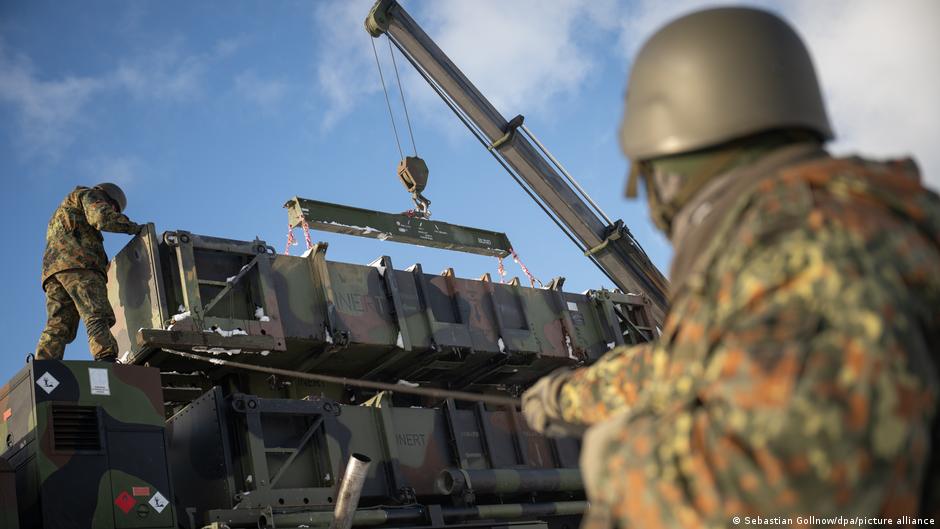
Since 2022, hundreds of Ukrainian soldiers dispatched to Germany for military training courses have deserted their units, posing significant challenges not only to Ukraine’s defense capabilities but also to the wider innovation and technology sectors that rely on national stability.
Implications of Military Desertion on Ukraine’s Innovation Ecosystem
According to monitoring within the German state of Saxony-Anhalt alone, more than 80 Ukrainian servicemen have left their training programs without authorization. Across Germany, reports indicate that the total number of desertions has reached several hundred. This trend reflects deeper issues within Ukraine's armed forces, which could ripple into its burgeoning tech startup environment.
Initially, Germany hosted around 29,000 Ukrainian soldiers and officers for short-term combat training courses since the Russian invasion began in February 2022. These sessions were designed to quickly upskill motivated and experienced personnel to strengthen Ukraine’s defense. However, over time, the composition shifted toward recruits with limited combat experience and less commitment, resulting in an increased rate of desertions.
"The rise in unauthorized departures from training camps signals a potential decline in morale and commitment among newer recruits, posing risks beyond the military domain," experts say.
Ukraine's legislative framework treats unauthorized absence from military service as desertion, punishable by up to 12 years in prison. Yet, the phenomenon persists, underscoring challenges in personnel management during wartime.
Unlike civilian refugees from Ukraine, these soldiers do not receive temporary protection under German law, complicating their legal status post-desertion. This legal nuance creates uncertainty for deserters and the Ukrainian military alike, impacting workforce stability.
For the tech startup scene, which relies heavily on stable social, economic, and political conditions, such military disruptions could have indirect but meaningful consequences. Skilled professionals often serve dual roles as innovators and defenders of national sovereignty, and instability in the armed forces may affect talent retention and investor confidence.
Furthermore, Ukraine’s venture capital environment, which has attracted growing international interest since 2022, depends on the perception of security and governance. Rising desertion rates and associated military weaknesses might prompt caution among global investors evaluating risk in the Ukrainian market.
As Ukraine continues to navigate the pressures of war, the intersection of military personnel challenges and the health of its innovation ecosystem remains critical. Policymakers and industry leaders will need to address these intertwined issues to sustain growth in the technology sector amid ongoing conflict.