Russia Considers Temporary Export Limits on Diesel and Jet Fuel Amid Refinery Disruptions
Potential export restrictions on diesel and aviation kerosene could impact fuel supply and energy sector stability in Russia for up to two months.
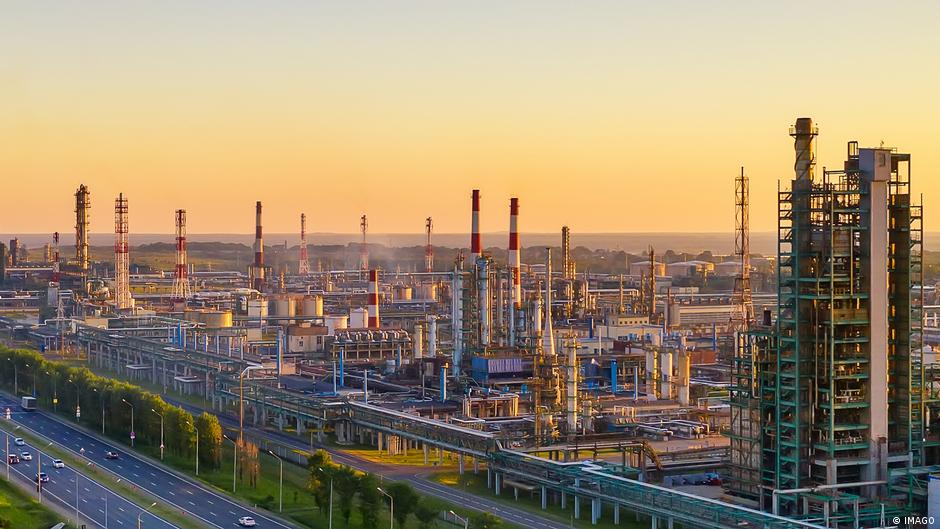
The Russian government is reportedly preparing to impose temporary restrictions on the export of diesel fuel and aviation kerosene in response to ongoing disruptions in the domestic fuel market. The move, which may last one to two months, aims to stabilize internal supply amid operational challenges faced by key oil refineries.
Fuel Market Challenges and Export Controls
Deputy Prime Minister Alexander Novak convened a meeting to discuss the current fuel market situation. According to sources familiar with the developments, the Ministry of Economic Development is expected to approve the export ban, with formal details on implementation timelines forthcoming. This aligns with existing policies, as a full ban on gasoline exports has been in place since April 1, valid until July 31.
Authorities have repeatedly applied export limitations on diesel fuel since September 2023 to support domestic market stability. However, an embargo on aviation kerosene exports has not been enacted before and marks a new measure in the government's approach to managing fuel resources.
Following the meeting, major oil companies were advised to voluntarily curb petroleum product exports to help balance the internal market, reflecting heightened coordination between federal agencies and industry players.
"Continuous monitoring is essential to coordinate efforts between federal bodies and industry companies, and to develop additional response measures if necessary," Deputy Prime Minister Novak emphasized.
Impact of Attacks on Refinery Operations
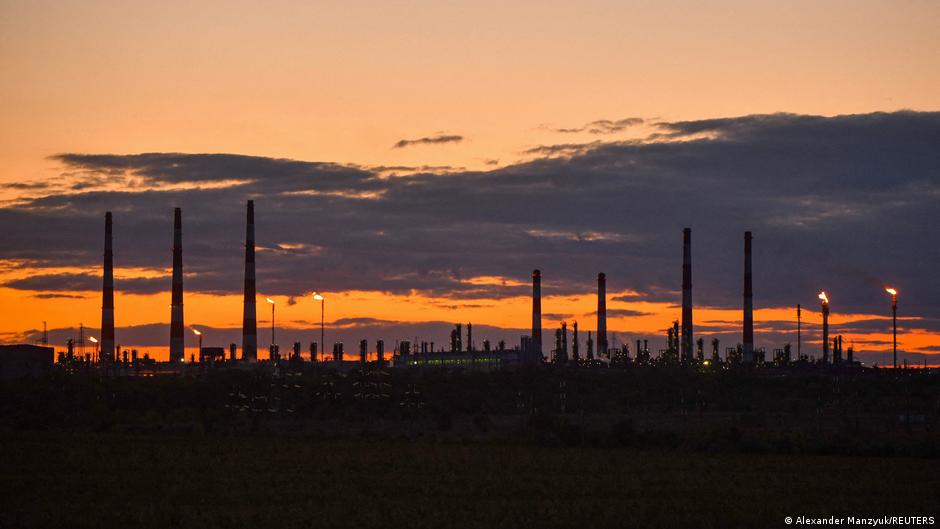
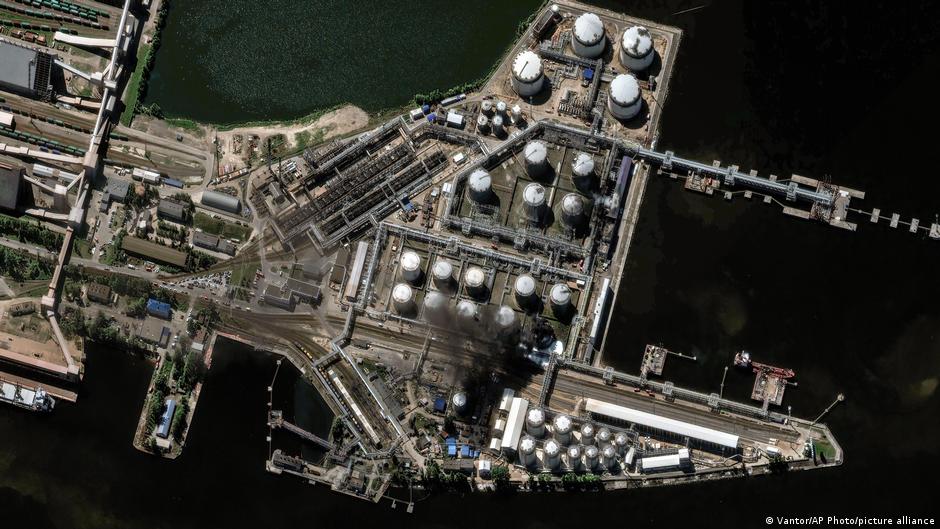
Recent weeks have seen a significant decline in refinery output, particularly in central Russia, where most major oil refining facilities have had to suspend or reduce operations due to drone attacks attributed to the ongoing conflict in Ukraine.
According to industry data, refineries with a combined capacity exceeding 83 million tonnes annually (approximately 238,000 tonnes daily) have been affected. This represents roughly 25% of Russia's total refining capacity and accounts for over 30% of gasoline and a quarter of diesel production nationwide.
While no attacks on Russian refineries were recorded during the first year of the war, incidents have escalated sharply: four in 2023, 34 in 2024, and 88 projected for 2025. In the first five months of 2026 alone, drone strikes have targeted oil plants 33 times, surpassing last year's figures for the same period.
One notable example is Lukoil-Nizhegorodnefteorgsintez (NORSI), among the top five largest oil refineries in Russia, located in Kstovo, Nizhny Novgorod region. Following drone strikes on May 20, NORSI reportedly shut down more than half of its processing capacity, exacerbating fuel production challenges.
Implications for Tech Startups and Venture Capital
These developments have broader implications beyond the traditional energy sector, potentially affecting Russia’s growing tech startup ecosystem and venture capital environment. Fuel supply disruptions and export controls can lead to increased logistical costs and supply chain uncertainties, impacting startups reliant on stable energy availability and transportation infrastructure.
Moreover, the heightened geopolitical tensions and operational risks could deter foreign and domestic investment in energy-adjacent technologies, including clean fuel innovation, logistics optimization, and supply chain management solutions. Venture capitalists may exercise increased caution in funding startups exposed to volatile market conditions or dependent on sectors directly influenced by government export policies.
Conversely, these challenges may catalyze innovation within the startup ecosystem, driving the development of alternative energy technologies, more resilient supply chain platforms, and digital solutions aimed at mitigating the effects of such market disruptions.