Russia Opens Three-Day Duma Vote With Implications for Tech and Capital
The parliamentary election unfolds under wartime controls, opaque voting procedures and rising concern over Russia’s innovation climate.
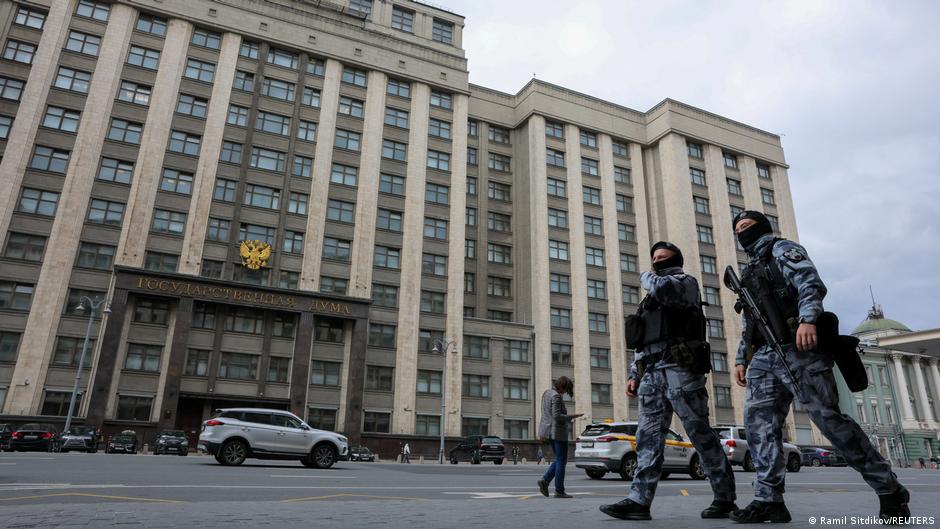
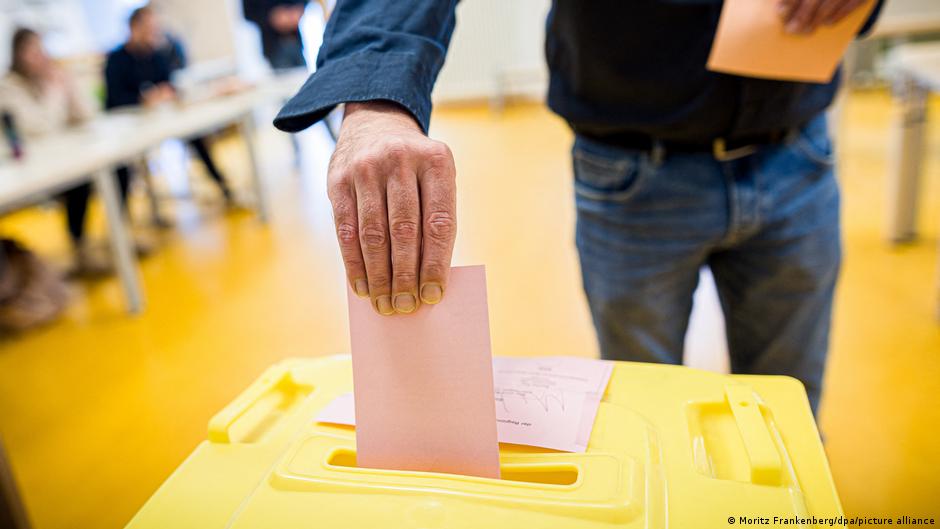
Russia formally opened three days of voting for the State Duma on Friday, September 18, at 08:00 local time, beginning with polling stations in Kamchatka and Chukotka. Voting is scheduled to continue through September 20, with polling places in the regions open until 20:00 local time.
For Russia’s technology sector, startup founders and investors, the election is not simply a domestic political event. It is taking place against the backdrop of the continuing war in Ukraine, the exclusion of a prominent anti-war party from party-list participation, and expanded voting in occupied Ukrainian territories. Those conditions matter for venture capital because they shape the legal predictability, talent mobility, sanctions exposure and cross-border confidence on which innovation ecosystems depend.
The new Duma will have 450 deputies. Half are expected to be elected in single-mandate districts, a system that allows voters to choose individual candidates. The remaining 225 seats will be allocated through party lists. Ten parties are listed for the party-list contest after Yabloko, which had consistently criticized the war, was removed from participation on formal grounds. Some Yabloko candidates remain in the race as single-mandate contenders in a number of Russian regions.
Opaque Procedures Add to Investor Uncertainty
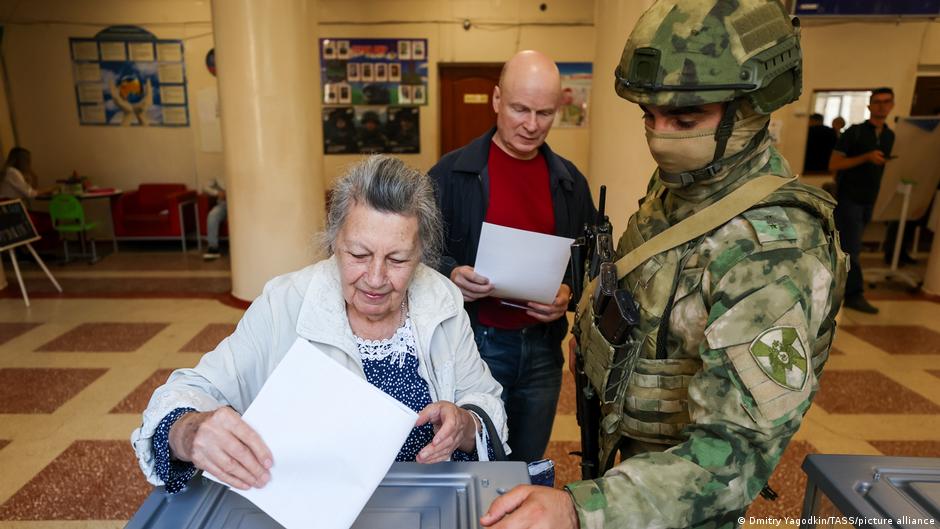
The previous State Duma election was held in 2021. This time, voting has been extended to occupied territories of Ukraine. Participants in Russia’s full-scale invasion of Ukraine, along with residents of Russian-occupied regions, voted early from late August through September 17, according to representatives of various Russian structures.
Observers say that even apart from the question of legitimacy in those regions, Russia’s Central Election Commission organized voting there in a way that makes results nearly impossible to verify. Authorities did not publish data on members of regional election commissions or the addresses of polling stations. Open video monitoring was not organized. The use of mobile ballot boxes was permitted. The Central Election Commission also allowed local election commissions, where necessary, to print ballots on site and not immediately transfer them to higher-level bodies after counting.
For venture investors, these details have a practical meaning beyond electoral procedure. Markets tend to price political opacity into capital allocation. In a startup environment already pressured by sanctions, restricted access to Western capital and the migration of engineering talent, additional uncertainty around institutions can make fundraising harder, compress acquisition opportunities and increase the perceived risk of long-term research and development inside the country.
Observers note that the voting arrangements in occupied regions make the results almost impossible to verify.
The technology sector is also directly implicated by the information environment around the vote. Before polls opened, pro-government Russian resources circulated videos arguing that footage showing ballot stuffing or falsification at polling stations could be generated by artificial intelligence. Ella Pamfilova, chair of Russia’s Central Election Commission, also said such technologies could allegedly replace live images from polling stations in real time.
That claim places AI at the center of a sensitive political narrative. For Russian startups building machine-learning, media verification, cybersecurity or video infrastructure tools, the official focus on AI-generated fakes may sharpen demand for controlled domestic technologies while also deepening reputational risks. Companies working in synthetic media, computer vision and content authentication could find themselves operating in a market where technical claims are closely tied to state messaging and electoral legitimacy.
Opposition Pressure and the Startup Talent Question
None of the ten parties represented in the 2026 State Duma election has condemned the continuing war in Ukraine. Yabloko was initially admitted to the election and then removed from the party lists on formal grounds. Individual party members are still running in single-mandate districts, but some later faced pressure and removal from races on various grounds, often because of old photographs or social media posts, including references to Alexei Navalny.
Shortly before the election, opposition figures Yulia Navalnaya and Maxim Katz urged Russians to vote for the strongest single-mandate candidates who are not members of United Russia. Yabloko criticized that idea and advised voters instead to spoil their ballots.
For founders and investors, the political backdrop matters because human capital is the core asset of most technology companies. Pressure on candidates over old posts and political references signals a broader risk environment for professionals with public profiles, international ties or previous civic activity. That can influence whether engineers, product leaders and entrepreneurs choose to remain in Russia, relocate, or build companies aimed primarily at foreign markets.
The election may also affect the mergers and acquisitions landscape. Russian technology companies have already faced a narrower pool of buyers and investors because of geopolitical fragmentation. A Duma aligned with the current wartime consensus is unlikely to reduce that pressure in the near term. Domestic consolidation may continue where state-linked capital, large incumbents or sanctioned entities are able to acquire assets at lower valuations, while international exits remain constrained.
At the same time, the vote could reinforce a split innovation ecosystem. On one side are companies serving domestic needs in areas such as cybersecurity, artificial intelligence, enterprise software, financial technology and import substitution. On the other are Russian-founded teams operating abroad, seeking capital from foreign investors while distancing themselves from Russia’s political and regulatory risks.
The immediate electoral mechanics will unfold through September 20. But for the venture market, the larger question is what kind of institutional environment Russia is signaling to founders, limited partners, strategic buyers and technical talent. The combination of three-day voting, early ballots in occupied territories, unverifiable procedures, AI-related disinformation concerns and opposition constraints points to a political setting in which innovation may continue, but under tighter control and with a higher risk premium.