Russia Permits Individuals with Limb Disabilities to Operate Public Transport Vehicles
New regulations allow people with upper or lower limb loss to drive buses and trucks, potentially expanding workforce participation in transport sectors.
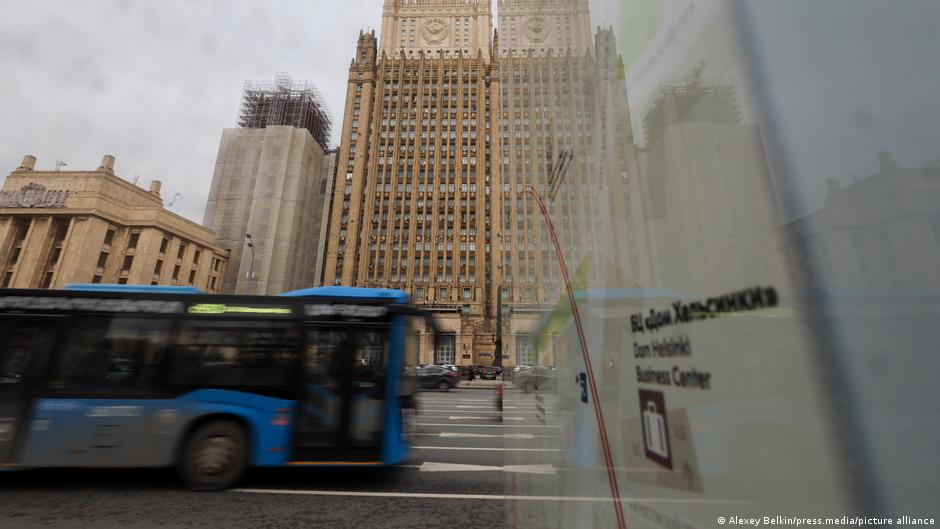
In a significant regulatory update, Russia has expanded eligibility to operate public transport and freight vehicles to include individuals with certain limb disabilities. This change, enacted by Prime Minister Mikhail Mishustin, permits people without upper or lower limbs, as well as those with severe hand or foot deformities, to drive buses, trams, trolleybuses, and trucks.
Policy Shift Supports Inclusion and Veteran Employment
The amended regulations, published on August 21, 2024, revise previous medical restrictions that barred persons lacking limbs from operating these heavy vehicles. Under the new guidelines, only those missing both limbs or hands entirely, or those with deformities that significantly impair hand movement, remain disqualified.
"The current level of automation in vehicle control allows individuals with certain war-related injuries to work safely in public transport," stated Alexey Tsydenov, Head of Buryatia, during a State Council meeting focused on public transport development.
This policy reform responds partly to advocacy from regional leaders and addresses a broader social goal of integrating war veterans into the workforce. On August 19, President Vladimir Putin highlighted the importance of preparing for the reintegration of veterans returning from the special military operation in Ukraine, emphasizing their "healthy ambitions" and potential contributions.
Implications for the Technology and Labor Market Ecosystems
The decision to loosen medical restrictions reflects evolving capabilities in vehicle automation technology, which enhances safety and accessibility. By enabling individuals with physical disabilities to operate heavy vehicles, the government is potentially unlocking a previously untapped labor pool, contributing to a more inclusive economy.
For the tech startup ecosystem, this development signals opportunities in adaptive vehicle control systems, assistive technologies, and automation software tailored to accommodate drivers with disabilities. Venture capital investors may find increased incentives to back innovations that support enhanced mobility and workforce participation for people with disabilities.
Moreover, the transportation sector could see increased competition and innovation as new entrants bring diverse perspectives, potentially driving demand for advanced driver-assistance systems (ADAS) and further automation.
Future Outlook
As Russia prepares for the return of veterans with varying physical capabilities, the intersection of policy, technology, and social integration will be critical. This regulatory change may serve as a catalyst for startups focused on inclusive technology solutions and vehicle automation, fostering a more resilient and diversified innovation ecosystem.