Trump Says U.S. Is Monitoring Russia Infection Reports, Offers Help
The White House response to illness reports in Irkutsk highlights how opaque health risks can affect startups, investors and cross-border tech activity.
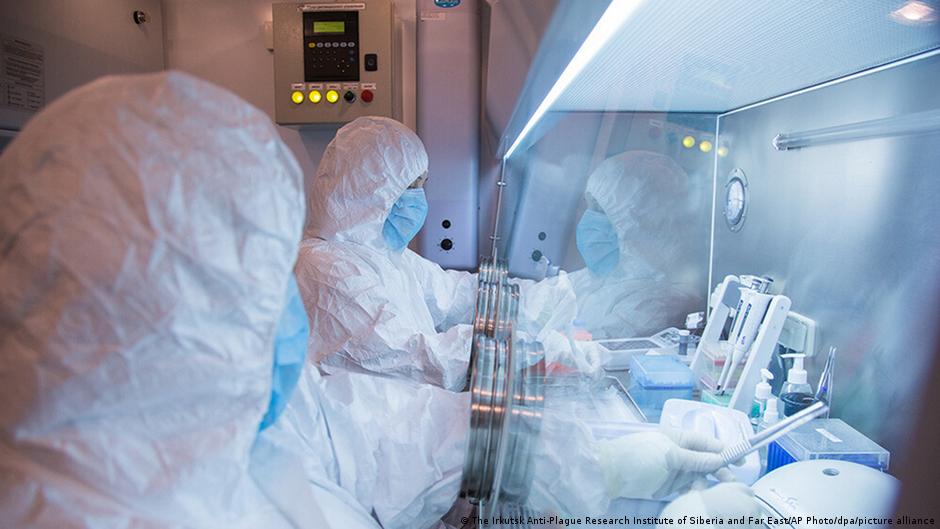
U.S. President Donald Trump said the White House is closely watching reports from Russia about a possible outbreak of a serious lung infection in the Irkutsk region, while noting that Washington has not been in direct contact with Moscow on the matter.
Speaking to reporters on Monday, October 5, Trump expressed regret that Russia may be facing such a disease and said the United States would be prepared to help if needed. The comments came after reports linked public concern in Siberia to the sudden death of Darya Shipilova, a 28-year-old local resident who worked at the Irkutsk Anti-Plague Institute.
“We are watching what is happening very closely. We have just heard about it, and they are calling it pneumonia,” Trump said, adding that the United States would help Russia if necessary.
Trump said he had not spoken with Russian officials about the reports. Asked by another journalist whether the White House would respond, he repeated that the United States was ready to help “anyone facing such a problem.”
For technology startups, venture investors and strategic acquirers, the episode is a reminder that public health uncertainty can quickly become a market and operational risk, even before authorities confirm the exact nature of an outbreak. In regions connected to research infrastructure, border trade, logistics and scientific institutions, a lack of clear information can affect travel, diligence timelines, supply chains and investor confidence.
Health Uncertainty Meets Startup Risk
The concern in Irkutsk followed Shipilova’s hospitalization in late September and death on October 2. Russia’s consumer health watchdog, Rospotrebnadzor, described the cause of death as “pneumonia of unknown etiology.” Local media reported that about 200 people in the Irkutsk region were placed under quarantine afterward. There were no reports of confirmed secondary pneumonia cases in the region.
The administration of Shelekhov, the city where Shipilova died in one of the hospitals, published a social media appeal on October 3 urging people to refrain from traveling to the city. The post was later deleted. That sequence, combined with limited public detail from officials, fueled public anxiety and rumors, including a version suggesting that a test tube containing the plague pathogen had been broken in the institute’s laboratory.
On October 5, media outlets asked Dmitry Peskov, the press secretary for Russian President Vladimir Putin, whether Moscow was monitoring events in the Irkutsk region. Peskov said Rospotrebnadzor was the competent agency and urged people to rely on its statements, without discussing the incident.
For the innovation ecosystem, the facts reported so far point less to a confirmed commercial disruption than to a governance problem familiar to founders and investors: when official communication is sparse, risk is priced through rumor. Startups operating in health tech, diagnostics, lab services, logistics or enterprise software can be particularly exposed to this kind of uncertainty, because customers and partners may delay decisions until regulators clarify the situation.
Venture capital firms often assess not only company fundamentals but also the stability of the environment around them. A sudden quarantine affecting hundreds of people, deleted municipal guidance and uncertainty over whether a disease is ordinary pneumonia or something more serious can complicate due diligence. It can also affect travel to regional offices, meetings with research institutes, laboratory audits and cross-border business development.
The reports may also sharpen attention on biosafety, outbreak monitoring and health infrastructure startups. The Irkutsk Anti-Plague Institute’s connection to the deceased worker brings the role of specialized research institutions into focus. Any perceived gap in communications or laboratory safety can increase demand for better diagnostic tools, monitoring platforms, secure lab workflows and public-sector health data systems.
Border Precautions Add Cross-Border Pressure
At least three countries neighboring Russia’s Siberian regions reported stronger border precautions. Kazakhstan and Kyrgyzstan increased sanitary and quarantine controls, while Uzbekistan said it had placed services responsible for preventing imported infections on heightened readiness.
Azerbaijan’s Health Ministry said it was aware of the reports from Russia but did not see a need to strengthen customs controls. Mongolia is geographically closest to the Irkutsk region, and it had already cooperated with Russia on preventing the spread of similar diseases, since plague pathogens had previously been detected in the region.
For venture-backed companies, these border responses matter because they show how quickly an unconfirmed health concern can ripple beyond one locality. Startups moving hardware, lab materials, medical supplies or staff across borders may face delays or additional checks. Investors evaluating regional expansion may also take a more cautious view until public health agencies provide clearer guidance.
The situation also has potential implications for merger and acquisition activity involving healthcare, biotech, logistics and compliance software companies. Buyers tend to look closely at operational resilience and regulatory exposure. If the Irkutsk reports lead to tighter sanitary controls or heightened attention to laboratory protocols, companies that can demonstrate robust compliance systems may become more attractive, while those dependent on opaque regional processes may face tougher scrutiny.
At the same time, the available reports do not establish confirmed secondary cases or a confirmed plague outbreak. The official cause cited by Rospotrebnadzor remains pneumonia of unknown etiology. That distinction is important for investors and founders: premature assumptions can distort risk assessments just as surely as delayed official communication can.
Trump’s offer of help gives the story a geopolitical dimension, but for the technology and venture capital community, the core issue is practical. Health scares can affect mobility, trust, procurement and capital allocation. In an innovation economy increasingly tied to life sciences, data systems and cross-border infrastructure, the speed and clarity of official information can determine whether a localized incident remains manageable or becomes a broader business concern.