Russia Signs Military-Technical Cooperation Agreement with Taliban Amid Geopolitical Shifts
New agreement between Russia and Taliban may influence regional security and impact arms technology transfer dynamics.
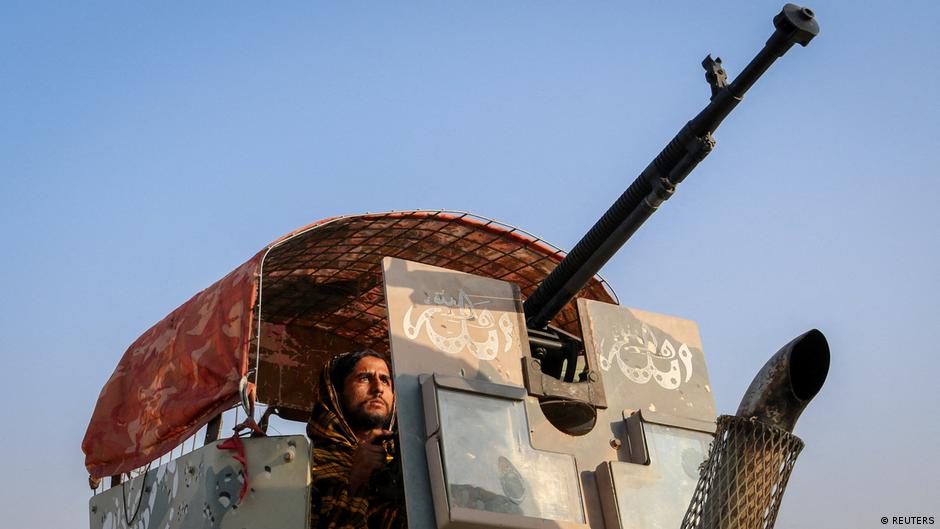
Russia has entered into a military-technical cooperation agreement with the Taliban, the radical Islamist movement currently governing Afghanistan. This development, formalized during the International Security Forum near Moscow, marks a significant geopolitical shift with potential repercussions for military technology transfers and regional strategic alignments.
Details and Strategic Implications of the Agreement
The agreement was signed on May 27 at the security forum held in the Moscow suburbs, though specific terms have not been publicly disclosed. Typically, such accords encompass the exchange of weapons, military licenses, and technology, as well as collaborative defense projects. This arrangement could pave the way for the transfer of Russian arms and military technology to the Taliban, raising questions about the future landscape of regional security.
Despite the symbolic weight of this pact, some experts view it as largely ornamental. Russian analyst Ruslan Suleymanov noted that there are few grounds for serious military cooperation between Russia and the Taliban, characterizing the agreement as a "symbolic measure." Nevertheless, it reflects Moscow’s intent to engage with the new Afghan power structure.
“The agreement symbolizes Russia’s attempt to expand its influence in Afghanistan, but practical military cooperation remains uncertain,” said a regional defense analyst.
The signing followed a meeting between Russian Security Council Secretary Sergey Shoigu and Afghanistan’s Defense Minister Mohammad Yaqoob, a former Taliban military commissioner and son of the movement’s founder, Mullah Mohammed Omar. Yaqoob highlighted the expansion of bilateral relations, while Shoigu called on Western nations to unfreeze Afghan assets and financially support the country’s reconstruction.
Broader Context: Impact on Regional Stability and Innovation Ecosystem
The Taliban regained control over Afghanistan in 2021 after the withdrawal of U.S. forces. Since then, Russia has repositioned the Taliban as an ally in counterterrorism efforts, with President Vladimir Putin referring to the group as such in 2024. In 2025, the Kremlin formally removed the Taliban from its list of terrorist organizations and accepted its ambassador in Moscow.
From a venture capital and tech innovation perspective, this agreement underscores the complex intersection of geopolitics and defense technology. The potential transfer of Russian military technologies to a non-state actor governed by an Islamist radical movement raises concerns about the diffusion of advanced arms and associated know-how outside traditional state frameworks. This dynamic could influence regional security risks, affecting investor confidence and startup ecosystems focusing on defense tech innovation.
Moreover, this development may set precedents for emerging markets where political volatility intersects with technology transfer regimes, highlighting new challenges for venture capitalists and entrepreneurs engaged in security-related technologies.
While some neighboring countries, including Tajikistan, Turkey, and Canada, continue to classify the Taliban as a terrorist organization, Russia’s engagement reflects evolving regional alliances and realpolitik calculations.
As the situation unfolds, tech startups specializing in dual-use technologies, cybersecurity, and defense innovation will need to monitor these geopolitical shifts closely. Changes in military cooperation and arms transfers can have cascading effects on regulatory environments, international partnerships, and funding channels.