Russia Simplifies Citizenship for Transnistrian Residents, Impacting Tech and Innovation Ties
New decree removes language and history exam requirements for Transnistrian residents seeking Russian citizenship, potentially influencing regional startup ecosystems and investment flows.
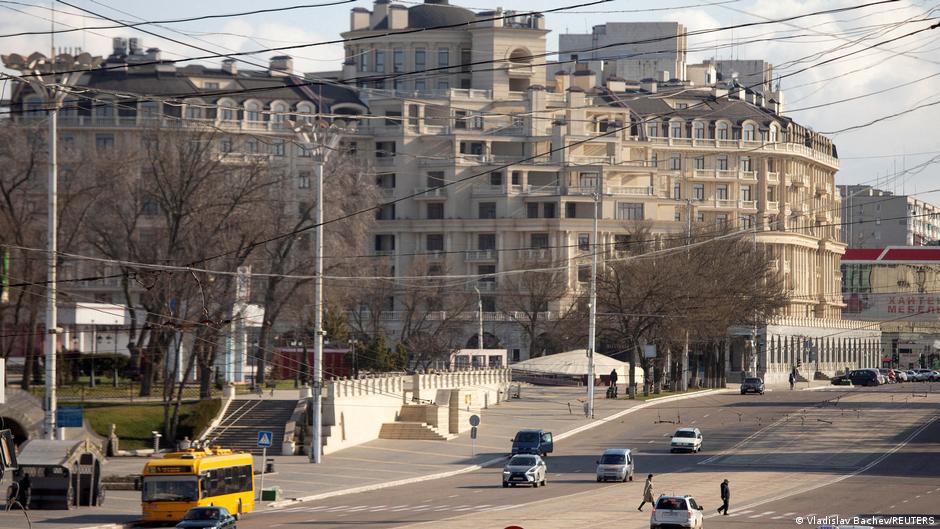
Russian President Vladimir Putin has signed a decree easing the process of obtaining Russian citizenship for residents of the self-proclaimed Transnistrian Moldovan Republic (PMR). The move eliminates the need for applicants to pass exams on the Russian language and Russian history, signaling a significant shift in Russia's approach to its unrecognized neighbor.
The decree, published on the official Russian legal information portal on May 15, facilitates citizenship applications for all adult residents of Transnistria without the previously required additional conditions. Furthermore, the order allows Russian passports to be issued to orphans in Transnistria upon guardians' requests.
Geopolitical Context and Implications for the Innovation Ecosystem
Transnistria, a breakaway region located on the left bank of the Dniester River within Moldova, declared independence in 1990 but has not been internationally recognized by any United Nations member states. The region hosts a Russian operational military group, underscoring Russia’s strategic interests.
According to statements by Russian Security Council Secretary Sergey Shoigu in April, over 220,000 Transnistrian residents hold Russian citizenship, out of an estimated total population of roughly 470,000. This demographic dynamic is poised to influence cross-border economic and technological collaboration.
"By simplifying citizenship procedures for Transnistrian residents, Russia is potentially strengthening socio-economic ties that could impact the regional innovation and startup landscape."
For the venture capital and technology startup communities, this development may present new opportunities and challenges. Enhanced citizenship access could facilitate greater mobility for tech entrepreneurs and skilled workers between Transnistria and Russia, enabling startups in the region to tap into broader Russian markets and funding sources.
Moreover, this citizenship policy shift may attract more Russian venture capital firms to consider investments in Transnistrian startups, particularly those focused on IT and software development, given the increased legal and logistical alignment.
However, ongoing political uncertainties surrounding Transnistria's status and its unrecognized statehood remain a hurdle. International investors typically view such regions with caution due to regulatory and geopolitical risks.
Nonetheless, the decree reflects Russia’s intent to deepen integration with Transnistria, potentially fostering a more connected innovation ecosystem that spans across contested borders, influencing mergers, acquisitions, and startup incubations in Eastern Europe.