Russia Threatens Armenia with Tariff Hikes Amid Eurasian Economic Union Exit Pressure
Putin warns Armenia of increased transport and energy tariffs if it leaves the Eurasian Economic Union, signaling regional economic tensions impacting tech startups and cross-border investments.
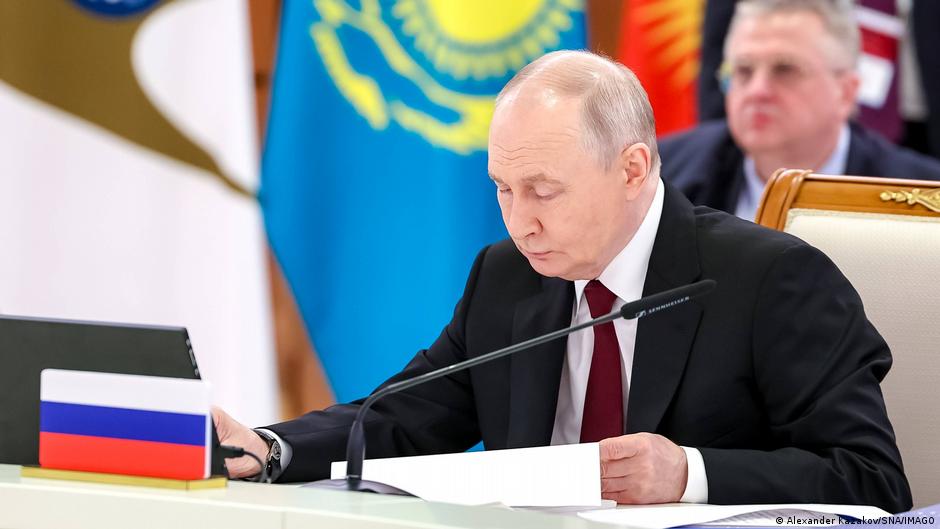
In a significant geopolitical move with potential implications for Armenia's tech and startup ecosystem, Russian President Vladimir Putin has threatened to raise tariffs on railway transport and energy supplies if Armenia decides to exit the Eurasian Economic Union (EAEU). This warning comes amid Armenia's growing inclination towards closer integration with the European Union, raising concerns about the future of economic cooperation and investment flows between the two countries.
Impact on Armenia's Innovation and Investment Climate
During a press conference following the EAEU summit in Astana on May 29, Putin underscored that should Armenia begin aligning with European Union standards, Russia would be compelled to sever much of its economic integration with Armenia. He specifically cited the potential increase in tariffs for railway logistics and energy prices, critical cost factors for Armenian exporters and businesses.
“If Armenia begins transitioning to EU standards, we will have to halt all economic integration with them. Who will buy their products, where will Armenian wine go?” Putin questioned, highlighting the economic stakes involved.
Further, Putin indicated that Armenian citizens working in Russia would be required to obtain work patents, a move likely to restrict labor mobility and affect Armenian professionals and entrepreneurs operating in the Russian market.
These statements come alongside joint demands by EAEU member states—including Belarus, Kazakhstan, and Kyrgyzstan—for Armenia to hold a referendum to decide between continued membership in the EAEU or closer ties with the EU. The timing is critical, occurring just ahead of Armenia's national parliamentary elections scheduled for June 7.
Broader Strategic and Economic Pressures
The escalating pressure is evident in recent Russian trade restrictions on Armenian exports. Russia's agricultural oversight agency has banned imports of Armenian mineral water, vegetables, and brandy. Additionally, the Russian Ministry of Energy has threatened to terminate duty-free agreements on the supply of petroleum products, natural gas, and rough diamonds to Armenia.
This economic tightening not only raises operational costs but also injects uncertainty into Armenia’s startup and innovation ecosystems. Startups often rely on seamless logistics and affordable energy for scaling operations, and increased tariffs could dampen investment appetite from venture capitalists wary of geopolitical risks.
Moreover, the restrictions on labor mobility and trade can stifle cross-border collaboration, essential for the growth of Armenia's tech sector. The reduced access to the Russian market complicates exit strategies for startups and may push investors to reconsider regional involvement.
Geopolitical Narratives and Information Warfare
In the same press conference, Putin dismissed European Union claims accusing Russia of preparing for war with the bloc as “nonsense and lies.” He referred to media outlets spreading such narratives as tools of misinformation, citing a controversial phrase about the effectiveness of lies from Adolf Hitler’s Mein Kampf. This rhetoric illustrates the heightened information warfare accompanying the political-economic pressures on Armenia.
Implications for Venture Capital and Startup Growth
The Kremlin’s threats and economic sanctions create an increasingly complex environment for Armenia’s nascent technology sector. As startups and venture capital funds seek stable regulatory and economic conditions, the possibility of Armenia’s deeper integration with the EU versus its EAEU membership presents a dichotomy with profound investment consequences.
For startups, the disruption to supply chains, increased tariffs, and labor restrictions translate into higher operational costs and market access limitations. For venture capitalists, this geopolitical risk may necessitate recalibrations of investment strategies, prioritizing sectors less exposed to Russian economic influence or seeking diversification into markets with greater stability.
As Armenia navigates these pressures, the outcome of the proposed referendum and parliamentary elections will be critical in shaping the country's innovation trajectory and its positioning within global technology ecosystems.