Russian Blogger Ilya Remeslo Detained Amid Political Crackdown, Raising Concerns for Tech Innovation Climate
Detention of pro-government blogger turned Putin critic highlights growing risks for dissenting voices impacting Russia’s startup ecosystem.
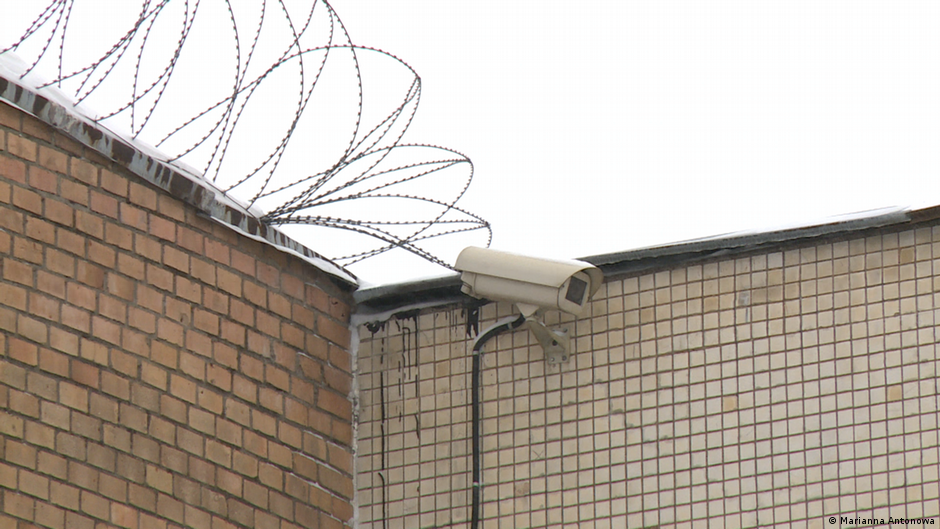
Russian blogger Ilya Remeslo, previously known for his pro-Kremlin stance and anti-opposition activism, has been detained in Moscow’s detention center No. 7 following a psychiatric examination amid charges related to spreading "fake news" about the Russian military. The case against him underscores an increasingly fraught environment for free expression, with significant implications for the country’s technology startups and venture capital ecosystem.
Political Repression and its Ripple Effects on Innovation
Remeslo’s unexpected turn from a staunch supporter of the Kremlin to a vocal critic of President Vladimir Putin and the war against Ukraine has led to his current legal troubles, including potential imprisonment of up to ten years. In March 2026, Remeslo publicly accused Putin of usurping power, called him an illegitimate president, and labeled him a "war criminal and thief." This sharp reversal has put him at odds with the Russian government, which has increasingly cracked down on dissenting voices.
"I do not renounce my previous statements and consider myself the head of Russia’s opposition movement," Remeslo declared in a recent interview after his release from psychiatric detention.
Following these statements, Remeslo was subjected to a psychiatric evaluation at the Sergei Serbsky Institute, a facility with a historical reputation for politically motivated psychiatric assessments dating back to the Soviet era. His evaluation’s outcome remains undisclosed, but he was subsequently transferred to the detention center while awaiting trial in Moscow’s Basmanny Court.
The repercussions of Remeslo’s case reach beyond his personal fate. Russia’s tightening grip on political dissent and the use of psychiatric institutions to silence critics contribute to an atmosphere of fear and uncertainty that can stifle entrepreneurial creativity and innovation. For the country’s growing tech startup scene—already challenged by economic sanctions and limited access to international markets—the criminalization of dissent poses an additional hurdle.
Venture capitalists and foreign investors often assess political stability and freedom of expression as key factors before committing capital to emerging technology ventures. The suppression of independent voices and increased censorship risk reducing transparency and undermining the rule of law, which are critical to fostering trust in the startup ecosystem.
Historically, Russia’s technology sector has demonstrated resilience and potential, with a robust scientific foundation and a talent pool of engineers and developers. However, recent political developments, such as Remeslo’s detention, send signals that innovation may be secondary to state control, discouraging investment and prompting some startups to relocate or curtail expansion plans.
As tech entrepreneurs seek to navigate this challenging environment, they must weigh the growing political risks against the opportunities to innovate and grow. The international venture capital community is likely to monitor cases like Remeslo’s as indicators of the broader climate affecting Russia’s innovation ecosystem.