Russian Drone and Missile Strikes on Ukraine Decline in June Amid Ongoing Conflict
In June, Russian drone strikes on Ukraine dropped 29% and missile strikes 15%, signaling possible shifts in military tactics affecting regional defense innovation.
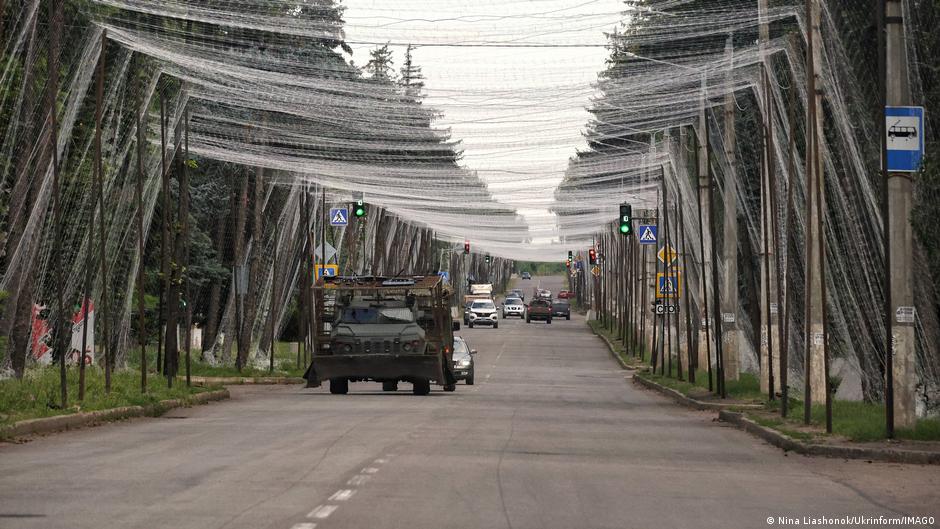
Data from the Ukrainian Air Forces analyzed by AFP reveals a significant drop in Russian drone and missile strikes on Ukraine in June 2023 compared to May. The reduction—29% fewer drone attacks and 15% fewer missile launches—marks a notable decrease amid the ongoing full-scale conflict that began in February 2022.
Implications for Defense Technology and Regional Innovation
According to the analysis, Russia conducted 5,749 drone strikes and launched 180 missiles in June, compared to a record-high of 8,150 drones and 211 missiles in May. Experts caution that it is premature to conclude this decrease reflects a long-term trend, suggesting instead it may be a short-term operational pause or strategic repositioning.
"While the drop in strike numbers could indicate temporary constraints or preparations, Moscow has not altered its overall military approach," noted analysts consulted by AFP.
This decline could impact the defense sector’s demand dynamics for unmanned aerial vehicles (UAVs) and missile technology. Potential factors include possible logistical challenges, such as disruptions in Iran's Shahed drone supplies due to diplomatic tensions involving the U.S. and Israel, which could strain Russia's military-industrial complex.
For the tech startup ecosystem, particularly in Eastern Europe, these developments underscore the delicate balance between military innovation and geopolitical stability. The demand for advanced drone technology and missile systems fuels innovation but also highlights vulnerabilities in supply chains and manufacturing capacities.
Meanwhile, Ukrainian forces have intensified counterstrikes targeting Russian fuel infrastructure, including refineries, fuel depots, and ports. These operations contribute to a significant fuel shortage in Russia, further complicating military logistics. Additionally, Ukraine has targeted defense industry facilities such as the Voronezh semiconductor plant, which produces electronics used in Russia's Iskander missile systems.
The evolving conflict dynamics suggest sustained opportunities and challenges for defense tech startups and venture capital investors focused on dual-use technologies, cybersecurity, and supply chain resilience. Monitoring these military developments is critical for understanding shifts in regional defense funding and innovation strategies.
Overall, the reduction in Russian strikes may temporarily ease pressure on Ukraine’s air defense systems but simultaneously signals a complex environment where defense innovation and military operations continue to influence each other profoundly.