Russian Drone Strike Hits Residential Building in Kharkiv Amid Rising Security Concerns
Russian military drone impacts a high-rise in Kharkiv, while missile attacks in Odessa region cause casualties and damage to agricultural infrastructure.
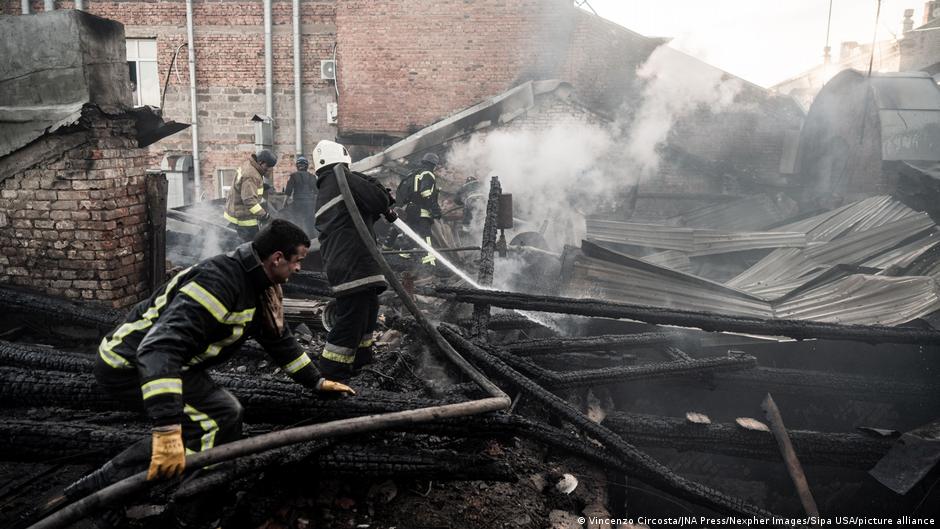
On June 21, a Russian military drone struck a high-rise residential building in the Shevchenkivskyi district of Kharkiv, Ukraine, igniting a fire on the building's facade near its 22nd floor. The incident, reported by the city's mayor, Igor Terekhov, underscores the escalating security tensions affecting urban centers in Ukraine and poses challenges for the local economy and infrastructure resilience.
"The impact was registered on the facade of a multi-story building at the level of the 22nd floor," stated Mayor Terekhov. He added that approximately ten windows were shattered by the blast and that the fire was quickly extinguished. Fortunately, there were no immediate reports of casualties from the strike.
Impact on Ukraine's Economic and Innovation Landscape
While this attack primarily targeted residential zones, its ripple effects may be felt across Ukraine's burgeoning technology and startup ecosystem. Kharkiv, known as a significant hub for IT innovation and startups, has seen its infrastructure increasingly threatened by ongoing military actions. Disruptions to power, telecommunications, and the safety of personnel could delay product development and impact investor confidence.
"Continued hostilities and infrastructure damage in key cities like Kharkiv pose risks to Ukraine's fast-growing tech sector, potentially affecting venture capital flows and startup scalability," says regional industry analyst.
Simultaneously, Russian forces launched a ballistic missile strike using the "Iskander" system against an agricultural enterprise in the Odessa region. This attack resulted in one fatality and three injuries, with significant damage to storage facilities and vehicles due to ensuing fires. The agricultural sector is crucial not only for Ukraine's economy but also for global food supply chains, and such attacks threaten broader economic stability.
These hostilities come as Ukraine strengthens its defense capabilities with international support. According to recent statements by Ukrainian President Volodymyr Zelensky, Kyiv has secured a contract with German manufacturers for the procurement of 600 air defense missiles. This acquisition aims to bolster Ukraine's capacity to protect its critical infrastructure and urban centers from aerial attacks.
For the venture capital and startup community, these developments highlight the increasing intersection of geopolitics with technological innovation. Investment decisions may increasingly factor in security risks and infrastructural vulnerabilities in conflict-affected regions, potentially influencing the distribution of capital and the strategic focus of emerging startups.
As Ukraine navigates these challenges, the resilience of its innovation ecosystem will be critical not only for economic recovery but also for maintaining its position as a hub for technological advancement within Eastern Europe.