Russian Missile Strikes Damage Kyiv’s Chernobyl Museum and Key Cultural Sites Amid Ongoing Conflict
Damage to Kyiv’s National Museum 'Chernobyl' threatens preservation of historical artifacts amid escalating Russian attacks.
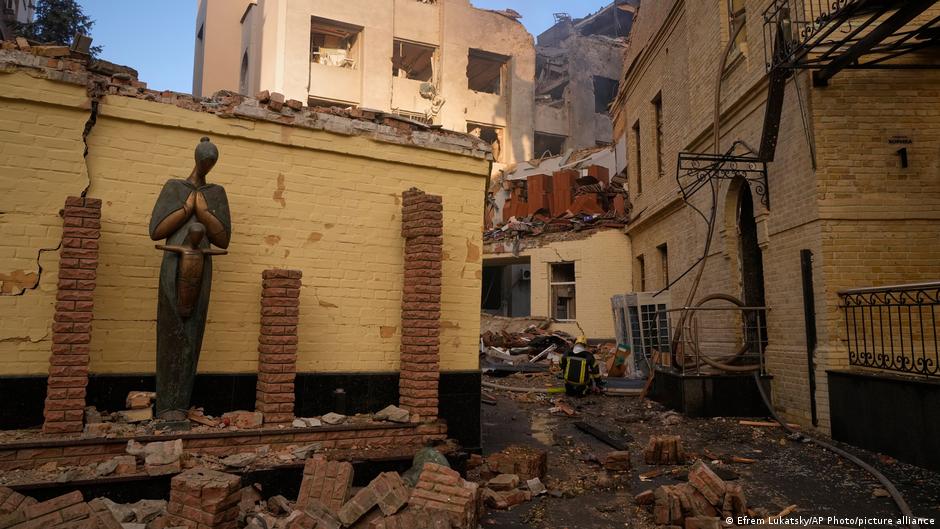
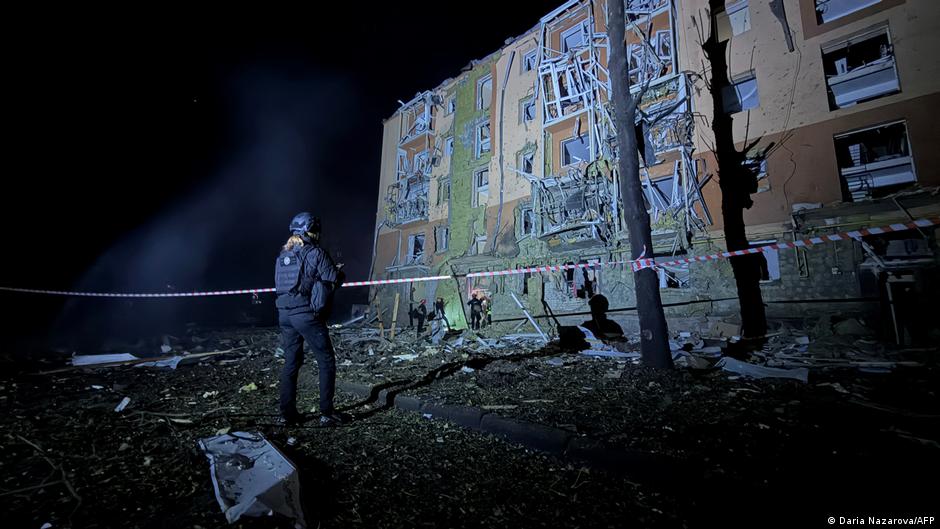
In the early hours of May 24, a large-scale missile and drone attack by Russian forces severely damaged the National Museum "Chernobyl" in Kyiv, Ukraine. The museum, which commemorates the tragic Chernobyl nuclear disaster, suffered destruction of approximately 40% of its exhibits, forcing a temporary closure just weeks after a major restoration.
Impact on Cultural Heritage and Innovation Ecosystem
The attack, part of a sustained campaign targeting Kyiv's infrastructure and cultural institutions, inflicted significant damage not only on the Chernobyl Museum but also on key establishments including the National Art Museum, National Philharmonic, and Kyiv Opera. Several libraries and historic landmarks were also affected, compounding the cultural loss.
According to Ukrainian authorities, missiles and over 600 drones targeted Kyiv and the nearby city of Bila Tserkva, with the Russian military employing advanced weaponry such as the "Oreshnik" medium-range ballistic missile for the third time since the war began.
"Rescuers and museum staff acted swiftly to evacuate artifacts immediately after the strike," the Ukrainian Ministry of Internal Affairs reported. Items salvaged include valuable pieces from storage, a painting by renowned artist Maria Prymachenko, and the Ukrainian flag raised at the Chernobyl Nuclear Power Plant following its 2022 liberation.
“Russian leader Vladimir Putin still aims his missiles at residential homes, cultural sites, and infrastructure, destroying both lives and history,” Ukrainian President Volodymyr Zelensky stated.
The destruction of the Chernobyl Museum and associated cultural venues has broader implications beyond immediate property loss. These institutions are vital for preserving Ukraine’s historical narrative and play a role in fostering a knowledge-based, innovation-driven society. The cultural sector’s damage threatens to disrupt education, tourism, and community engagement—critical components of Kyiv’s evolving ecosystem that supports technology startups and creative industries.
Moreover, the bombardment of media offices like Deutsche Welle and ARD days after their departure indicates a targeted attempt to undermine information dissemination and transparency, further destabilizing the environment needed for entrepreneurial growth and foreign investment.
Venture Capital and Startup Ecosystem Risks
Kyiv’s startup community has been resilient amid war, with the tech sector increasingly viewed as a key driver for Ukraine’s economic recovery and global reintegration. However, attacks on cultural infrastructure and urban safety create an environment of uncertainty that can deter venture capital inflows and M&A activity.
Investor confidence depends heavily on stability, access to talent, and vibrant cultural life — all of which are jeopardized by ongoing conflict. The destruction of cultural landmarks and public spaces diminishes the city’s attractiveness as a hub for innovation and creative entrepreneurship, potentially leading to a brain drain as skilled professionals seek safer environments abroad.
Nevertheless, the swift response in artifact evacuation and ongoing restoration efforts demonstrate a commitment to preserving Ukraine’s heritage and resilience. Maintaining these efforts is crucial for supporting the broader innovation ecosystem and signaling to international investors that Kyiv remains a viable location for tech ventures and cultural enterprises.
As the war continues, protecting cultural assets and rebuilding damaged infrastructure will require coordinated support from government, private sector, and global partners committed to Ukraine’s post-conflict recovery and tech ecosystem development.