Russian Northern Fleet Ship 'Admiral Levchenko' Relocates to Baltic Sea Near Germany
The redeployment of a major Russian anti-submarine ship to the Baltic raises strategic and economic security concerns for European maritime routes.
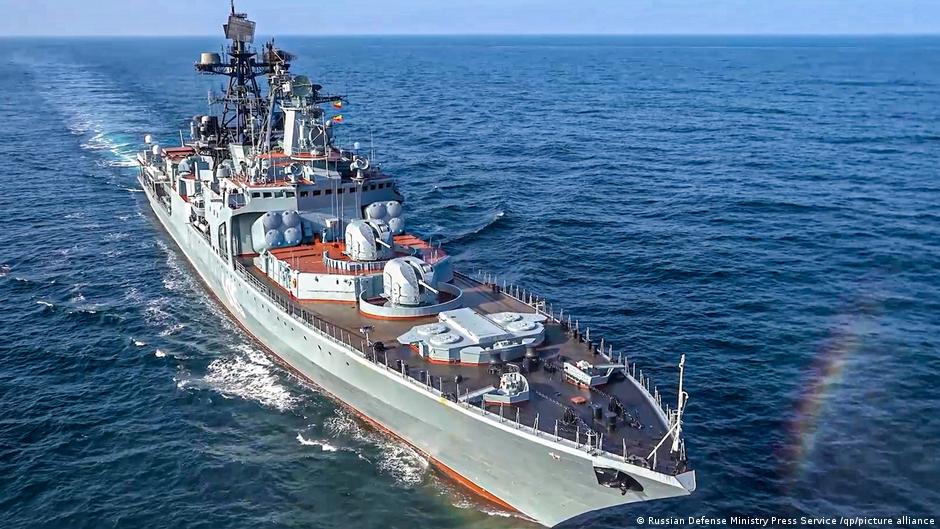
The Russian Navy has recently redeployed one of its largest anti-submarine warfare vessels, the "Admiral Levchenko," from the Barents Sea to the Baltic Sea near the German island of Fehmarn. This move, first reported by German media, signals a strategic shift in Russia's naval posture in the Baltic and highlights potential implications for maritime security and the broader economic environment affecting regional and European trade routes.
Strategic Naval Movements and Their Economic Implications
The "Admiral Levchenko" is a large anti-submarine ship belonging to the Northern Fleet, known for its significant size and capabilities. Photographed near Fehmarn on July 31, it replaces a similar vessel, the "Severomorsk," which had been patrolling the Fehmarn Belt strait—a crucial maritime corridor between Denmark and Germany. The "Severomorsk" withdrew from its position in late June, officially having completed its long-range mission.
According to German media sources, the "Admiral Levchenko" now supports the Russian naval presence in this strategic area, helping to secure what has been referred to as Russia's "shadow fleet." This term describes vessels involved in transporting Russian oil and other commodities, which face increasing scrutiny and sanctions amid geopolitical tensions.
"The redeployment of 'Admiral Levchenko' underscores Russia's intent to maintain a naval shield over its commercial shipping interests in key European waterways," analysts note.
The presence of such naval assets close to Germany not only has military significance but also impacts the stability and security of commercial shipping lanes vital to the European economy. For startups and technology ventures in maritime logistics, navigation systems, and supply chain management, these developments may influence investment decisions and innovation priorities, especially in areas related to maritime security technology and risk mitigation.
Moreover, Russia's naval maneuvers coincide with high-profile movements involving assets tied to the Russian leadership. The superyacht "Graceful," reportedly linked to Russian President Vladimir Putin, was escorted from Kaliningrad to the port of Murmansk under the official guise of heading to Istanbul. This yacht has been subject to international sanctions, reflecting the broader economic and political pressures facing Russian-affiliated assets.
Such naval and asset redeployments highlight the challenges faced by venture capital and tech startups operating in or with exposure to Eastern European and Baltic markets. The increased geopolitical risks may steer innovation towards enhanced maritime security solutions, satellite-based monitoring, or alternative logistics channels to navigate the complexities introduced by military activities and sanctions enforcement.
As the geopolitical landscape evolves, tech investors and startup founders will need to closely monitor these developments, balancing risks and opportunities in an environment where security and commercial interests increasingly intersect.