Russian Strikes Hit Ukraine Logistics, Warehouses and Power Infrastructure
Attacks on Odesa, Kyiv region and Mykolaiv damaged delivery, storage and energy assets central to Ukraine’s wartime business operations.
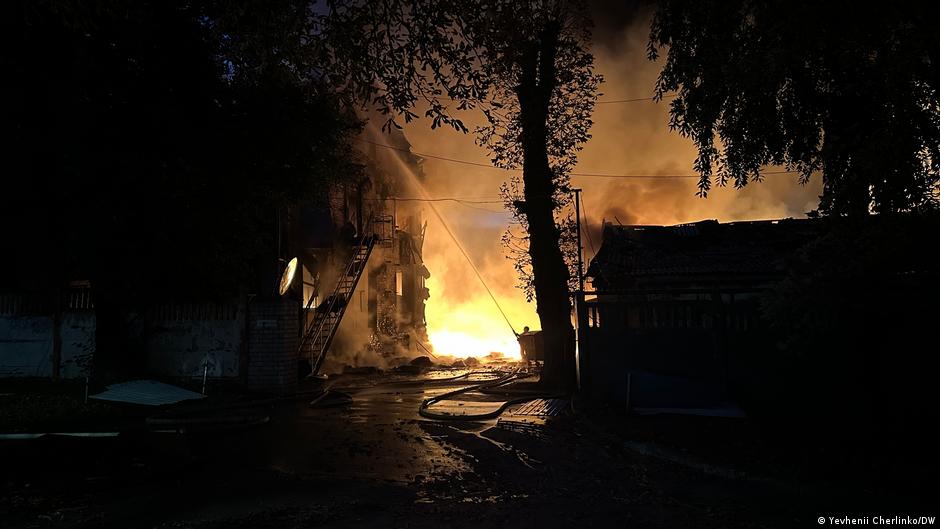
Russian forces attacked Kyiv and Odesa regions, as well as the city of Mykolaiv, during the evening of September 12 and overnight into September 13, according to local authorities. The strikes damaged logistics, warehouse, residential and energy infrastructure, underlining the operational risks facing Ukraine’s private sector and innovation economy as the war continues.
In Odesa region, two people were injured after a drone attack hit a branch of Nova Poshta, one of Ukraine’s most important private delivery and logistics operators. Regional military administration head Oleh Kiper and representatives of Ukraine’s State Emergency Service reported the casualties and damage at the site.
“The facade of the building, glazing and a cargo vehicle were damaged,” Kiper said.
The strike on a Nova Poshta facility is notable for Ukraine’s technology and startup ecosystem because logistics operators have become essential infrastructure for businesses operating under wartime conditions. E-commerce companies, hardware startups, medical suppliers, small manufacturers and online retailers rely on delivery networks to move inventory, equipment and customer orders across a country where airspace remains closed and many supply routes are disrupted.
Local officials also reported damage in Odesa itself. Serhiy Lysak, head of the city military administration, said a multi-story residential building was damaged in an attack on the city. It was the second hit on an apartment building in Odesa within a single day, according to the source report.
Warehouse Damage Adds Pressure to Operating Risk
In Kyiv region, the regional military administration said warehouse premises were damaged in the Boryspil district on the evening of September 12, causing a fire. In the Brovary district, a warehouse and a private house were damaged.
For venture-backed companies and small technology firms, warehouse damage can quickly become more than a local property loss. Many Ukrainian startups have adapted to wartime by decentralizing inventory, shifting staff to hybrid or remote work, and building redundancy into supply chains. Still, storage sites remain critical for companies that handle physical goods, repair equipment, consumer electronics, drones, medical devices or industrial components.
The reported damage in Boryspil and Brovary also matters because Kyiv region is a central node for Ukraine’s business activity. The capital and its surrounding districts host a large share of the country’s software companies, startup teams, venture funds, accelerators, back-office functions and distribution infrastructure. Even when attacks do not directly hit a technology office, damage to warehouses, roads, power systems or housing can affect staffing, customer fulfillment and investor confidence.
Kyiv Mayor Vitali Klitschko reported that air defense systems were operating and urged residents to remain in shelters. The Kyiv regional military administration also posted overnight air-raid alerts for different parts of the region on its Telegram channel. No information about deaths or injuries in Kyiv region had been reported, according to the source.
Mykolaiv Power Outages Highlight Infrastructure Exposure
In Mykolaiv, an evening attack targeted energy infrastructure, according to Heorhiy Reshetilov, head of the local regional military administration. He said several districts of the regional center were partially without power after the strike.
“As soon as the security situation allows work to begin, energy workers will start restoring electricity supply,” the post said.
Reshetilov later wrote that the alert had ended, and then reported that an air alert had resumed. The sequence reflects the recurring interruptions that businesses in frontline and near-frontline regions must plan around: attacks, temporary all-clears, renewed alarms and delayed repair work until crews can safely access damaged sites.
For startups, power disruption is one of the most direct wartime constraints. Software teams can often work remotely, but product development, customer support, data operations, payments, manufacturing, logistics and device testing all depend on reliable electricity and communications. Ukrainian companies have spent years investing in generators, battery systems, cloud redundancy and distributed teams. The latest reports from Mykolaiv show why that resilience remains a continuing requirement rather than a one-time adaptation.
The attacks also intersect with the venture capital environment. Investors evaluating Ukrainian companies have often distinguished between product execution and geopolitical risk. The damage reported across Odesa, Kyiv region and Mykolaiv reinforces the fact that infrastructure risk remains part of the operating model for founders, particularly those building in logistics, hardware, energy technology, defense-adjacent systems, mobility, e-commerce and industrial software.
At the same time, Ukraine’s wartime economy has produced companies that are unusually experienced in resilience, distributed work and rapid infrastructure adaptation. For the innovation ecosystem, that can be a source of differentiation, especially in sectors where reliability under pressure is commercially valuable. But attacks on delivery branches, warehouses, homes and energy assets continue to impose real costs on employees, customers and business continuity.
The reported strikes produced two injuries in Odesa region and material damage across several locations. Local authorities did not report deaths or injuries in Kyiv region in the information cited. Repair and restoration work in Mykolaiv was expected to begin when security conditions allowed.
For VentureLine readers, the immediate business takeaway is not that Ukraine’s technology sector has stopped operating, but that the country’s startup and investment landscape remains inseparable from infrastructure resilience. Logistics networks, warehouse capacity, air defense alerts and electricity supply are not background conditions; they are core variables in how companies plan growth, manage capital and assess M&A or funding opportunities in a wartime market.