Russian Strikes on Ukrainian Port and Energy Sites Raise Concerns for Tech and Infrastructure Resilience
Recent Russian attacks on Ukrainian port and energy infrastructure highlight risks to critical systems affecting innovation and startup ecosystems.
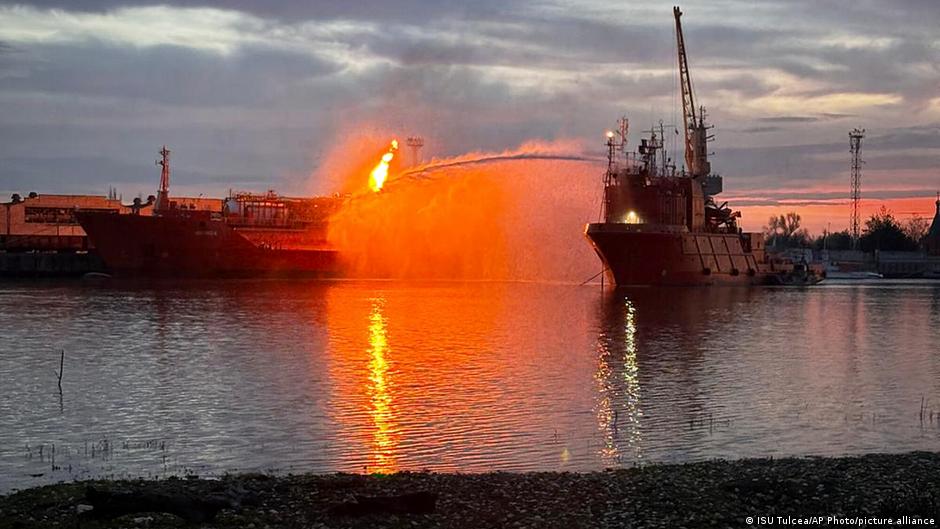
On the night of May 19, Russian armed forces launched attacks targeting strategic infrastructure in southern Ukraine, with strikes damaging port facilities in Izmail, a key city in the Odessa region. Ukrainian emergency services quickly contained the damage, and no casualties or significant destruction were reported.
Despite limited physical damage, these attacks underscore growing vulnerabilities within Ukraine’s critical infrastructure, which could have ripple effects on the country's broader economic and innovation ecosystems. Izmail’s port infrastructure is vital for trade and logistics, including the export of agricultural and industrial goods, which are essential to fueling growth across various sectors including technology startups reliant on stable supply chains.
Energy Infrastructure Under Siege
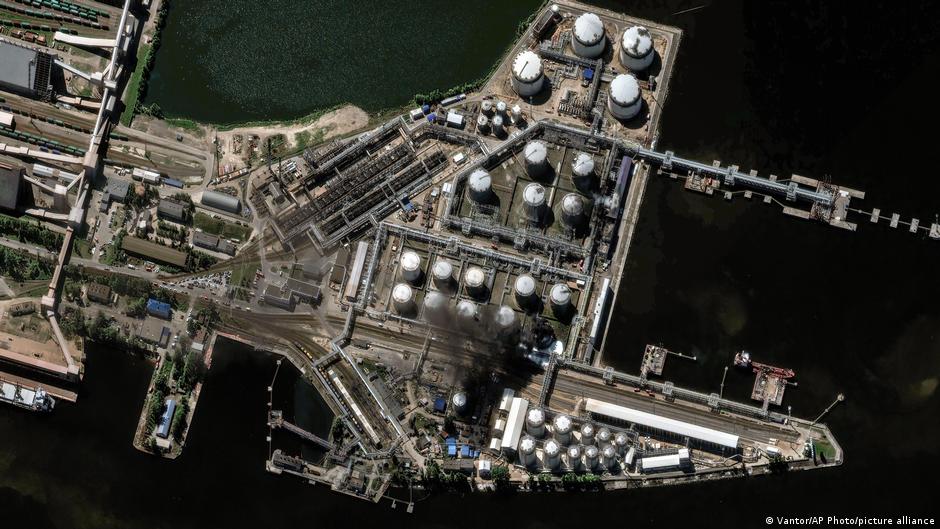
Simultaneously, the Russian military intensified its assault on Ukraine’s oil and gas infrastructure. According to statements from the leadership of Naftogaz, Ukraine’s state energy company, multiple drone attacks between May 17 and 18 were followed by ballistic missile strikes on facilities in the Dnipropetrovsk region. These attacks caused material damage but did not result in employee casualties.
"Almost continuous drone assaults and ballistic missile strikes have targeted critical energy assets, revealing strategic attempts to undermine Ukraine’s energy security," said an energy sector expert.
Last week, similar missile barrages targeted Naftogaz infrastructure in the Poltava region, signaling a sustained campaign against energy resources. Interruptions or damage to these facilities risk destabilizing energy supplies for industrial hubs, including those incubating startups and tech companies reliant on consistent power and fuel availability.
Urban Drone Attacks and Civilian Impact
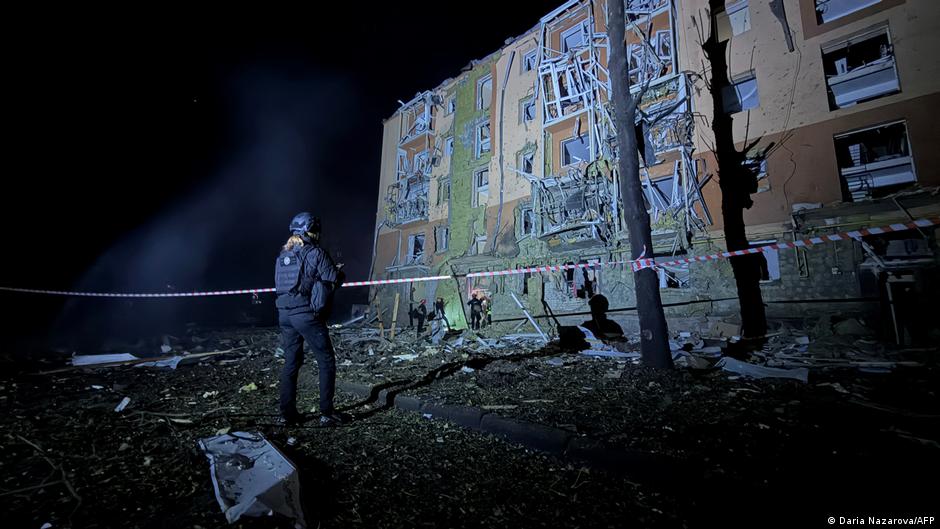
In the northeastern city of Kharkiv, drone strikes targeted residential and civilian infrastructure in the Novobavarsky and Kholodnogorsky districts, resulting in fires and property damage. Emergency responders rescued two individuals from a damaged home, with search efforts ongoing for a possible additional victim trapped under debris.
Such attacks not only threaten civilian safety but also disrupt the local economic environment crucial for innovation and entrepreneurship, potentially displacing talent and interrupting business continuity.
Implications for the Innovation and Startup Ecosystem
The ongoing conflict and targeted attacks on infrastructure pose critical challenges for Ukraine’s tech startups and venture capital landscape. Reliable energy and transport infrastructure are foundational for startups to operate efficiently, scale, and attract investments. Disruptions could lead to increased operational costs and risks, affecting investor confidence.
Moreover, the expansion of drone attack zones into Russian territory, including major Ural cities, indicates the evolving nature of the conflict with potential retaliatory effects that may further destabilize the regional security environment.
Despite these threats, Ukraine’s technology sector has demonstrated resilience, with increased interest from international venture capital and innovation partnerships aimed at rebuilding and modernizing critical infrastructure. Strengthening cybersecurity, infrastructure redundancy, and disaster response systems are becoming integral to sustaining the innovation ecosystem amid ongoing hostilities.